Vegan Diet for Health and Wellness: A Complete Beginner’s Guide
A vegan diet eliminates all animal products, including meat, dairy, and eggs, and focuses on plant-based foods. This eating pattern is associated with multiple health benefits, including improved heart health, weight management, reduced inflammation, and enhanced energy levels. Veganism can also support environmental sustainability and ethical treatment of animals.
For beginners, transitioning to a vegan diet requires planning to ensure adequate intake of protein, iron, calcium, vitamin B12, and omega-3 fatty acids. Including a variety of whole grains, legumes, nuts, seeds, fruits, and vegetables ensures nutrient needs are met while maintaining a balanced and satisfying diet.
Benefits of a Vegan Diet
A well-planned vegan diet offers many health advantages, such as:
- Supports weight management by focusing on nutrient-dense, low-calorie plant foods.
- Improves heart health by lowering cholesterol and blood pressure when saturated fats are minimized.
- Enhances digestion due to high fiber content from fruits, vegetables, legumes, and whole grains.
- Reduces risk of chronic diseases such as type 2 diabetes, obesity, and certain cancers.
- Boosts energy levels through a variety of vitamins, minerals, and antioxidants.
- Encourages a sustainable and environmentally friendly lifestyle.
Vegan-Friendly Foods to Include
Key foods to focus on include:
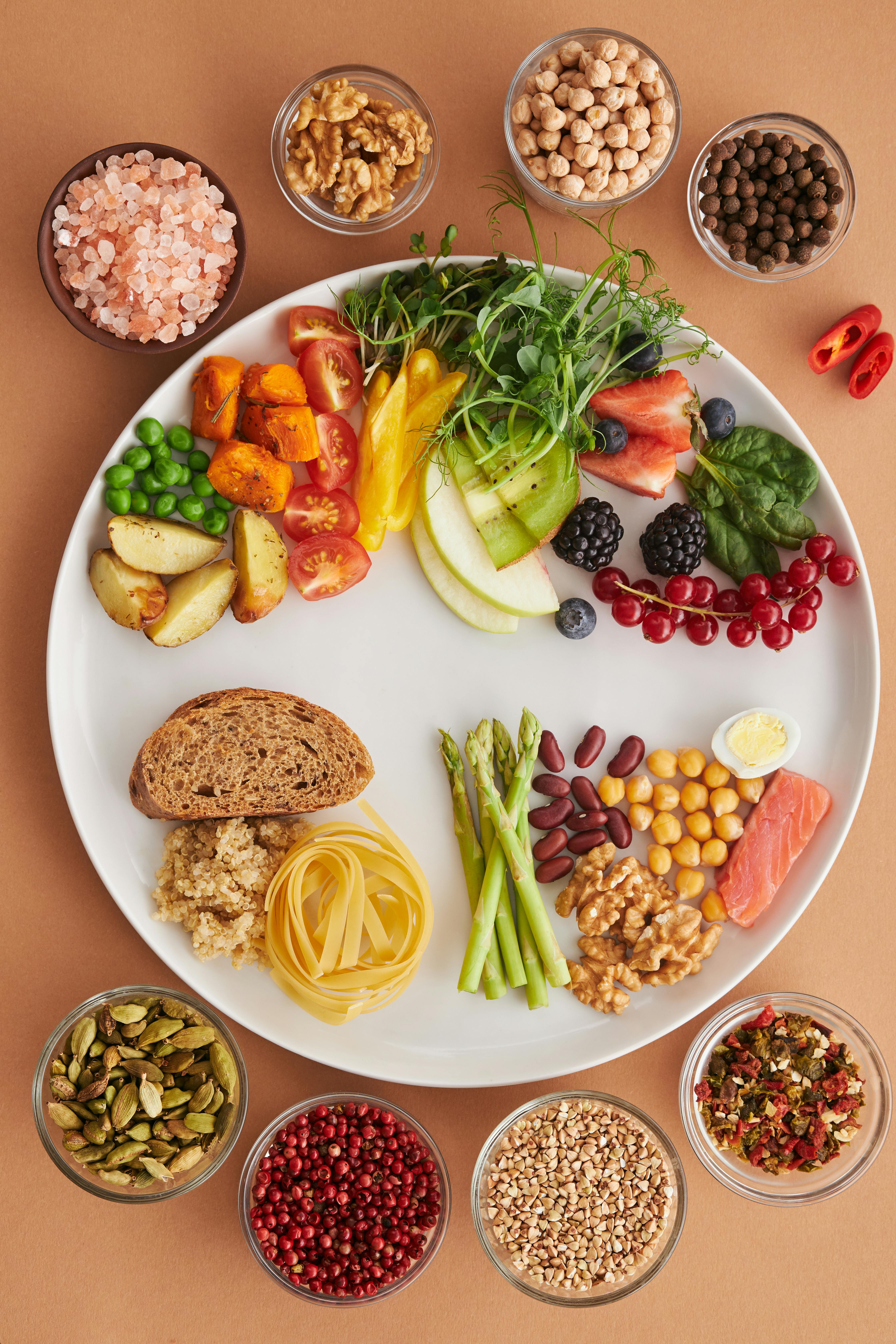
- Legumes: lentils, chickpeas, black beans, and kidney beans, providing plant-based protein and fiber.
- Whole grains: quinoa, brown rice, oats, and whole wheat products, supporting energy and nutrient intake.
- Nuts and seeds: almonds, walnuts, chia seeds, and flaxseeds, offering healthy fats and omega-3s.
- Vegetables: leafy greens, broccoli, cauliflower, carrots, peppers, and mushrooms, rich in vitamins and minerals.
- Fruits: berries, apples, oranges, bananas, and melons, providing antioxidants and natural sugars for energy.
- Plant-based milk and yogurt: soy, almond, oat, or coconut milk, fortified with calcium and vitamin B12.
Foods to Limit or Avoid
- Highly processed vegan foods with added sugars, salt, or unhealthy fats.
- Refined grains like white bread and white rice without added fiber.
- Deep-fried vegan snacks, which can contribute to excess calories and unhealthy fats.
- Artificial sweeteners in excess, which may affect gut health.
Sample Vegan Meal Ideas
Here are some meal ideas for a balanced vegan diet:
- Breakfast: oatmeal with chia seeds, almond butter, and fresh berries.
- Lunch: quinoa salad with chickpeas, kale, cherry tomatoes, and avocado dressing.
- Dinner: stir-fried tofu with broccoli, bell peppers, and brown rice.
- Snacks: mixed nuts, hummus with carrot sticks, or a smoothie with spinach and banana.
Tips for Success
- Plan meals ahead to ensure nutrient variety and avoid deficiencies.
- Include fortified foods or supplements for vitamin B12 and omega-3s.
- Focus on whole, minimally processed foods for maximum health benefits.
- Track protein intake using legumes, tofu, tempeh, nuts, and seeds.
- Experiment with spices, herbs, and sauces to make meals flavorful and satisfying.
Potential Challenges
Common challenges include getting enough protein, vitamin B12, iron, and omega-3s. Planning meals, using fortified foods, or taking supplements can resolve these issues. Eating out may require checking menus for hidden animal products or asking for substitutions. Overcoming these challenges ensures a balanced and healthy vegan lifestyle.
Conclusion
A vegan diet is a powerful approach to improve health, manage weight, and support sustainability. By focusing on nutrient-dense whole plant foods, planning meals carefully, and supplementing key nutrients, individuals can thrive on a plant-based diet. Consistency, creativity, and education are key to long-term success and wellness.