Respiratory Health and Lung Disease Prevention
Respiratory health is essential for overall well-being and quality of life. The lungs are responsible for oxygenating the blood and removing carbon dioxide, supporting every organ system in the body. Maintaining healthy lungs reduces the risk of infections, chronic conditions such as chronic obstructive pulmonary disease (COPD) and asthma, and life-threatening illnesses like lung cancer. Lifestyle choices, environmental awareness, and preventive healthcare play crucial roles in preserving respiratory health.
Tobacco smoke is the leading cause of lung disease worldwide. Smoking damages lung tissue, impairs immune defense, and increases the risk of COPD, lung cancer, and respiratory infections. Quitting smoking, avoiding secondhand smoke, and minimizing exposure to environmental pollutants are essential preventive measures.
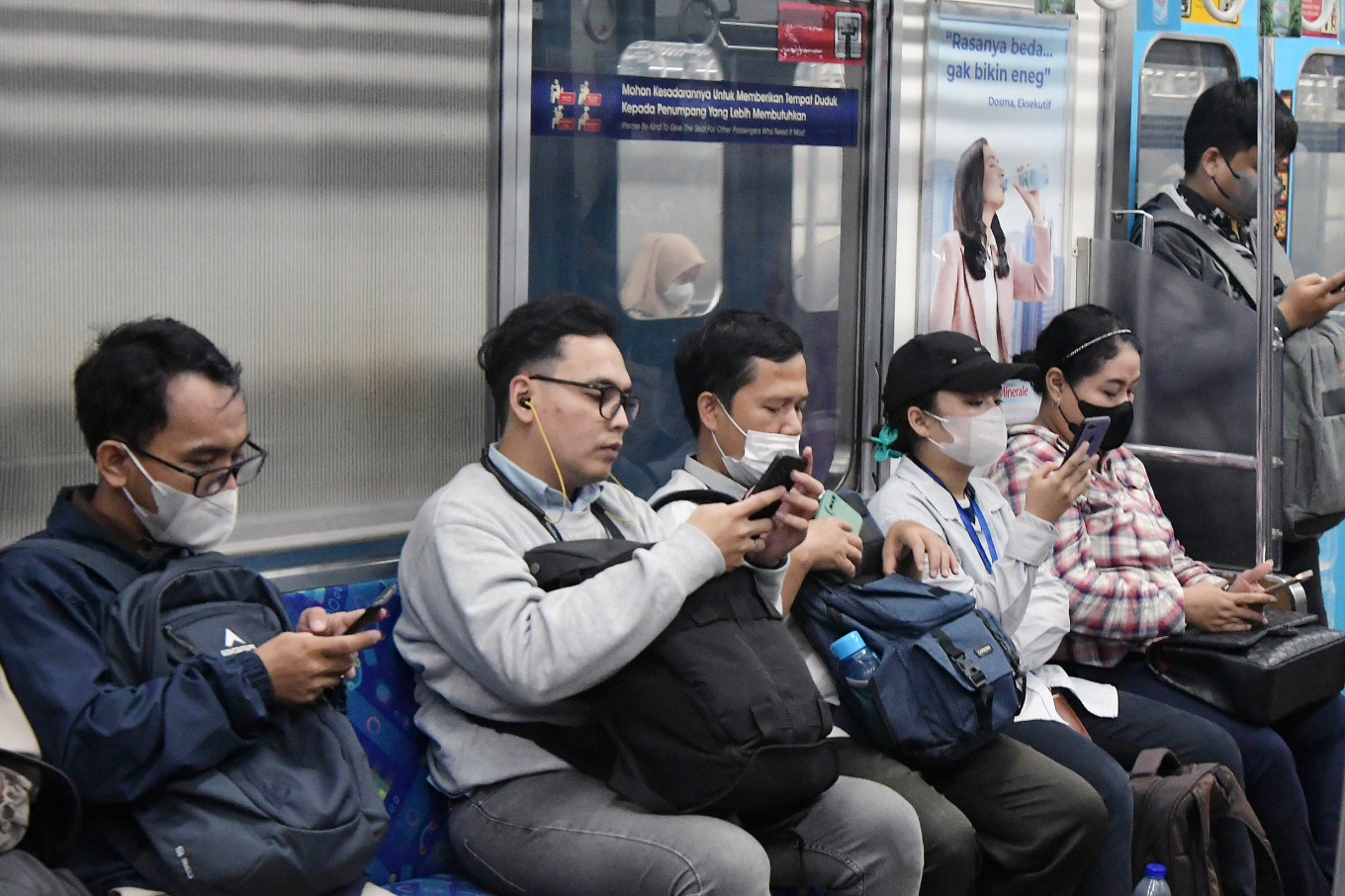
Air quality and environmental factors significantly influence respiratory health. Exposure to pollutants, chemicals, dust, and allergens can trigger inflammation, asthma attacks, and chronic lung damage. Using protective masks in high-risk environments, maintaining clean indoor air, and reducing exposure to outdoor pollution help preserve lung function.
- Avoid smoking and secondhand smoke: The most effective way to protect lung health.
- Maintain good indoor air quality: Use ventilation, air purifiers, and limit exposure to dust and chemicals.
- Exercise regularly: Improves lung capacity, oxygen utilization, and respiratory endurance.
- Practice deep breathing exercises: Enhances lung function and strengthens respiratory muscles.
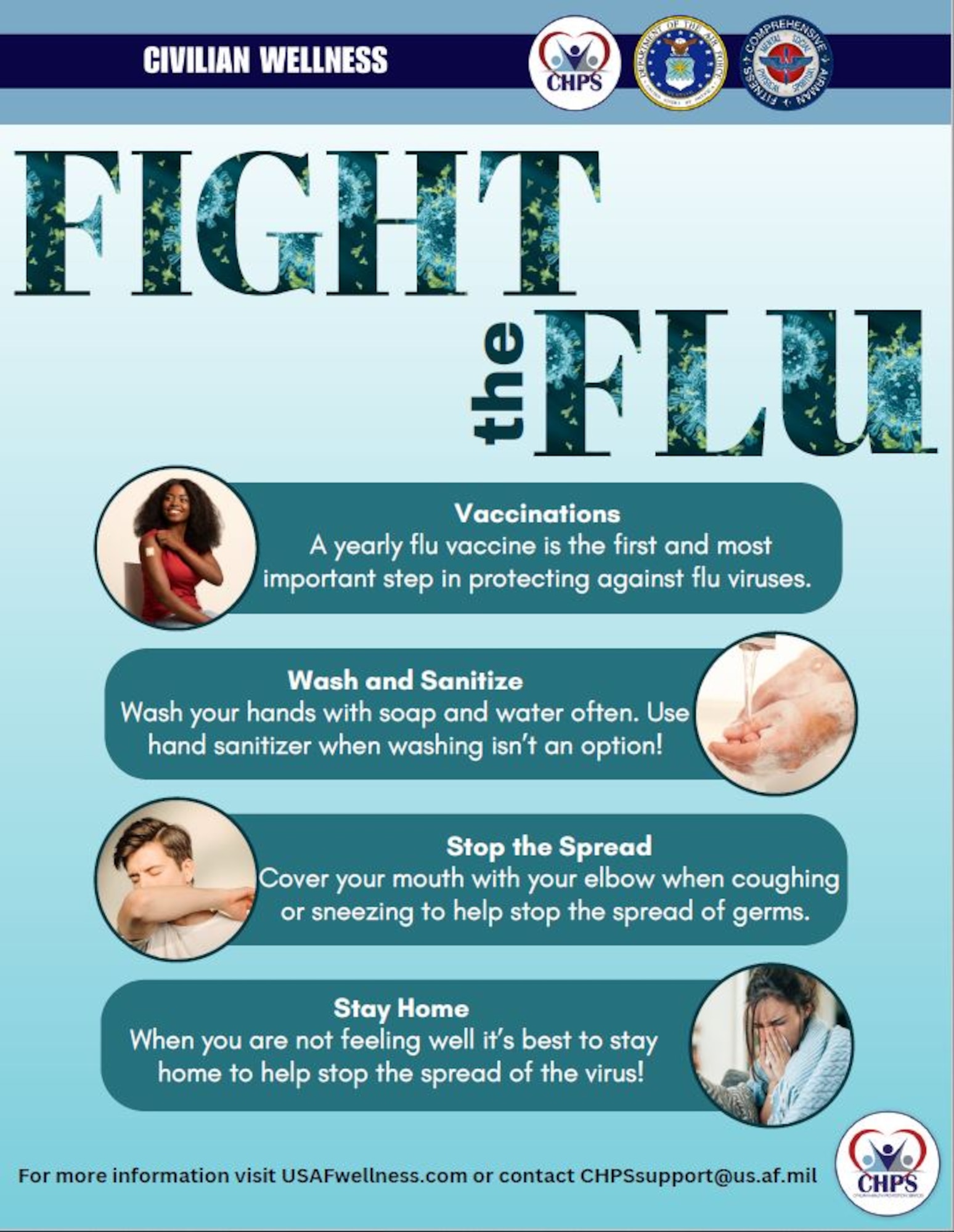
- Get vaccinated: Influenza and pneumococcal vaccines prevent respiratory infections.
- Consume a nutrient-rich diet: Vitamins C, E, and antioxidants support lung health and immune defense.
- Manage chronic conditions: Proper asthma or COPD management prevents complications.
- Regular medical check-ups: Early detection of lung disease improves treatment outcomes.
Regular physical activity strengthens the respiratory muscles, improves oxygen exchange, and enhances overall lung capacity. Aerobic exercises like walking, jogging, swimming, or cycling encourage deeper breathing and efficient oxygen delivery throughout the body.
Deep breathing and respiratory exercises can maintain lung elasticity and enhance oxygenation. Techniques such as diaphragmatic breathing, pursed-lip breathing, and yoga-based pranayama help improve ventilation, reduce shortness of breath, and support relaxation.
Proper nutrition supports lung health by reducing inflammation and strengthening immune defenses. Foods rich in antioxidants, such as berries, leafy greens, nuts, seeds, and fatty fish, protect lung tissue from oxidative damage caused by pollution, smoking, or infections.
Vaccinations are essential preventive tools. Influenza, pneumococcal, and COVID-19 vaccines protect the respiratory system from serious infections that can exacerbate chronic lung conditions and compromise overall health.
Chronic respiratory conditions require careful management. Individuals with asthma, COPD, or other pulmonary diseases benefit from adherence to prescribed medications, monitoring symptoms, avoiding triggers, and regular consultations with healthcare professionals.
Lifestyle factors, such as adequate sleep, stress reduction, and avoiding excessive alcohol, also contribute to respiratory wellness. Sleep supports immune function and repair of lung tissue, while stress management reduces inflammation and promotes better breathing patterns.
Regular medical evaluations, including lung function tests, imaging, and symptom monitoring, allow early detection of pulmonary conditions. Early intervention prevents progression, reduces complications, and improves quality of life.
In conclusion, respiratory health is vital for oxygen delivery, energy, and overall well-being. Avoiding tobacco, managing environmental exposures, exercising regularly, practicing deep breathing, maintaining a nutrient-rich diet, staying vaccinated, and following medical guidance all contribute to healthy lungs. By adopting these strategies, individuals can reduce the risk of respiratory disease, enhance lung capacity, and enjoy a healthier, more active life.