Building Long-Term Community Resilience Against Influenza
Long-term community resilience against influenza refers to the ability of societies to consistently prevent, manage, and recover from influenza outbreaks while minimizing health, social, and economic disruption. Influenza is not a one-time threat but a recurring seasonal disease that evolves every year. Because of this, communities must develop sustained systems and behaviors rather than relying on short-term responses.
A resilient community is one that combines strong healthcare infrastructure, effective public health policies, and responsible individual behavior. These three components work together to reduce transmission and protect vulnerable populations. Without coordination between them, influenza outbreaks can spread quickly and overwhelm health systems.
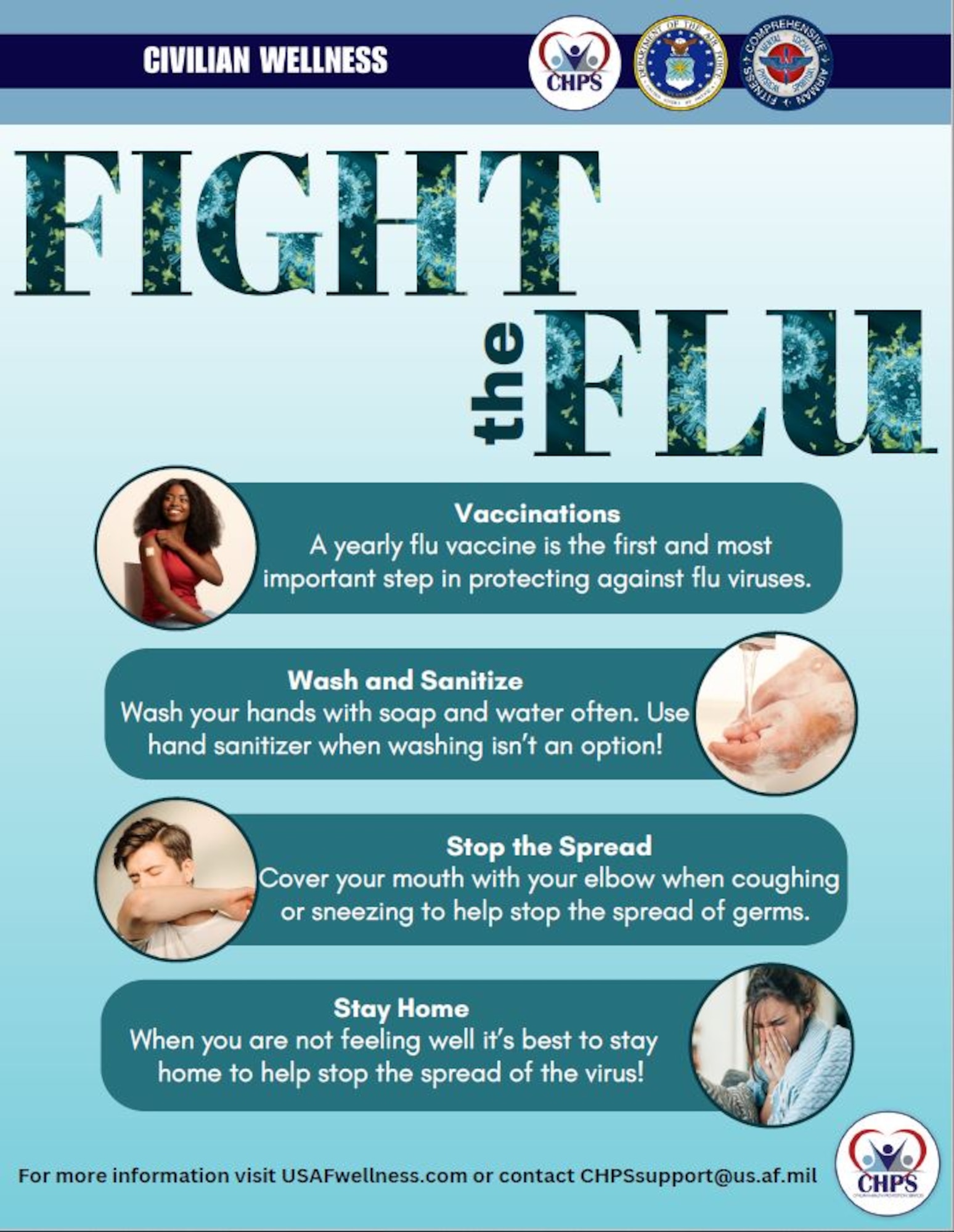
One of the most important foundations of resilience is widespread vaccination coverage. When a large proportion of the population is vaccinated, the overall transmission of influenza decreases. This creates indirect protection for individuals who cannot receive vaccines due to medical conditions. High vaccination rates reduce hospitalizations and help maintain stability in healthcare systems during peak flu seasons.
Healthcare system capacity is another critical factor. Hospitals, clinics, and laboratories must be well-prepared to handle seasonal increases in influenza cases. This includes having sufficient medical staff, diagnostic tools, antiviral medications, and hospital beds. A well-prepared healthcare system can respond quickly to outbreaks and prevent unnecessary complications or deaths.
Public health surveillance systems are essential for maintaining long-term resilience. These systems monitor influenza activity by collecting data from healthcare facilities, laboratories, and community reports. Early detection of rising cases allows authorities to respond quickly with targeted interventions such as vaccination campaigns or public advisories.
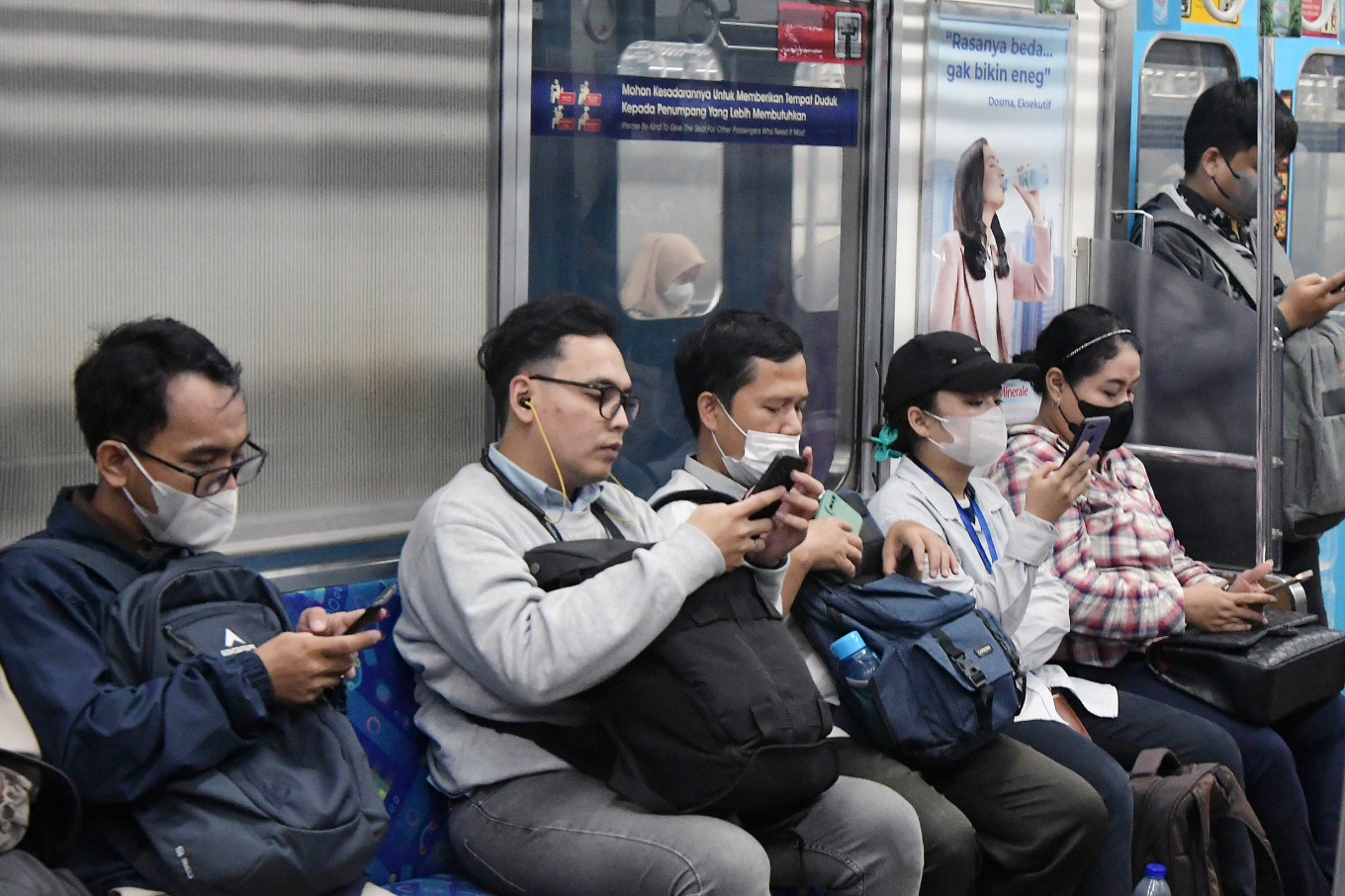
Community education is also a key pillar of resilience. When people understand how influenza spreads and how it can be prevented, they are more likely to adopt healthy behaviors. Education helps build habits such as handwashing, mask use, vaccination, and staying home when sick. These behaviors, when widely practiced, significantly reduce community transmission.
Trust in public health institutions is another important factor. Communities that trust health authorities are more likely to follow recommendations during outbreaks. Clear, transparent, and consistent communication helps build this trust. Misinformation, on the other hand, can weaken public cooperation and increase infection risk.
Social cohesion plays a major role in resilience. Communities that support one another during illness and outbreaks are better able to manage the impact of influenza. For example, providing care for sick individuals, supporting elderly neighbors, and sharing accurate information all contribute to collective protection.
Workplaces and schools are important environments for building resilience. Policies such as flexible sick leave, remote work options, hygiene protocols, and vaccination programs help reduce transmission. Schools that teach health literacy also help create long-term behavioral change in younger generations.
Environmental design contributes to resilience as well. Well-ventilated buildings, reduced overcrowding, and access to hygiene facilities create safer spaces. Urban planning that considers public health can reduce the spread of respiratory infections in the long term.
Economic stability is closely linked to influenza resilience. Large outbreaks can reduce productivity, increase healthcare costs, and disrupt essential services. Investing in prevention—such as vaccination programs and public health infrastructure—is far more cost-effective than managing widespread illness after it occurs.
Technology continues to strengthen community resilience. Digital surveillance systems, mobile health applications, and artificial intelligence help track influenza trends and predict outbreaks. These tools enable faster and more targeted responses, improving overall preparedness.
International cooperation is also important because influenza does not respect borders. Global sharing of data, research, and vaccine development helps countries respond more effectively to new strains. Organizations such as the World Health Organization coordinate these efforts to ensure global preparedness.
Individual responsibility remains at the core of community resilience. Even the strongest systems cannot function effectively if individuals do not participate. Simple actions such as vaccination, hygiene practices, and responsible behavior when sick collectively determine how well a community withstands influenza outbreaks.
Cultural attitudes toward health also influence resilience. Societies that normalize preventive behaviors such as vaccination and mask use tend to experience lower transmission rates. Building these cultural norms takes time but results in long-lasting public health benefits.
In conclusion, building long-term community resilience against influenza requires a combination of strong healthcare systems, effective public health policies, widespread education, technological support, and responsible individual behavior. When these elements work together, communities become better prepared to handle seasonal influenza outbreaks with minimal disruption. Resilience is not achieved overnight but developed continuously through consistent investment in health, cooperation, and awareness.