Psychological Factors in Influenza Prevention
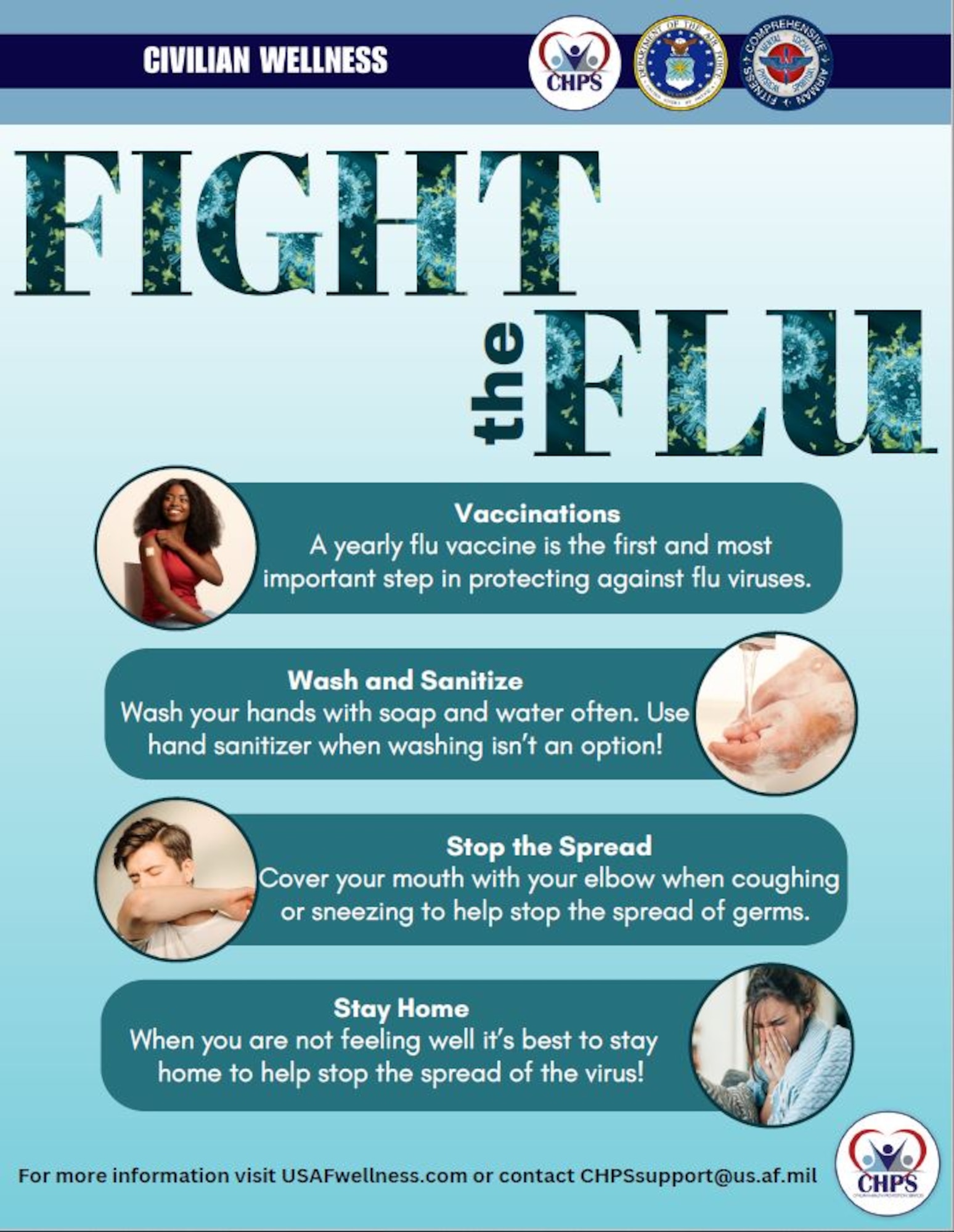
Influenza prevention is often discussed in terms of physical measures such as vaccination, hygiene, and environmental control. However, psychological factors also play a significant role in determining how well individuals protect themselves from infection. Human behavior, decision-making, stress levels, and emotional well-being all influence immune function and health habits. Understanding the psychological dimension of influenza prevention helps explain why some people consistently follow preventive measures while others do not, even when they are aware of the risks.
One of the most important psychological factors is stress. Chronic stress can weaken the immune system by increasing the production of stress hormones such as cortisol. When cortisol levels remain elevated for long periods, the body’s ability to fight infections becomes less effective. This makes individuals more susceptible to influenza and other respiratory illnesses. Stress also negatively affects sleep quality, appetite, and energy levels, all of which are important for maintaining a strong immune system.
Anxiety can also influence influenza prevention behaviors. Some individuals may become overly anxious about infection, leading to excessive avoidance behaviors, while others may underestimate the risk and neglect preventive measures. Balanced awareness is essential. Being informed without becoming overwhelmed helps individuals take practical and consistent actions such as vaccination, hygiene, and responsible social behavior.
Depression is another psychological factor that can indirectly increase the risk of influenza. People experiencing depression may have lower motivation to engage in self-care behaviors such as handwashing, eating nutritious food, exercising, or seeking medical attention when needed. This reduced self-care can weaken the immune system and increase vulnerability to infection. Supporting mental health is therefore an important part of overall disease prevention.
Behavioral psychology plays a key role in understanding why people do or do not follow health recommendations. Even when individuals know that vaccination or hygiene practices are important, habits, beliefs, and social influences often determine actual behavior. For example, people may skip handwashing due to inconvenience or avoid vaccination due to misinformation or fear. Addressing these behavioral barriers is essential for improving influenza prevention.
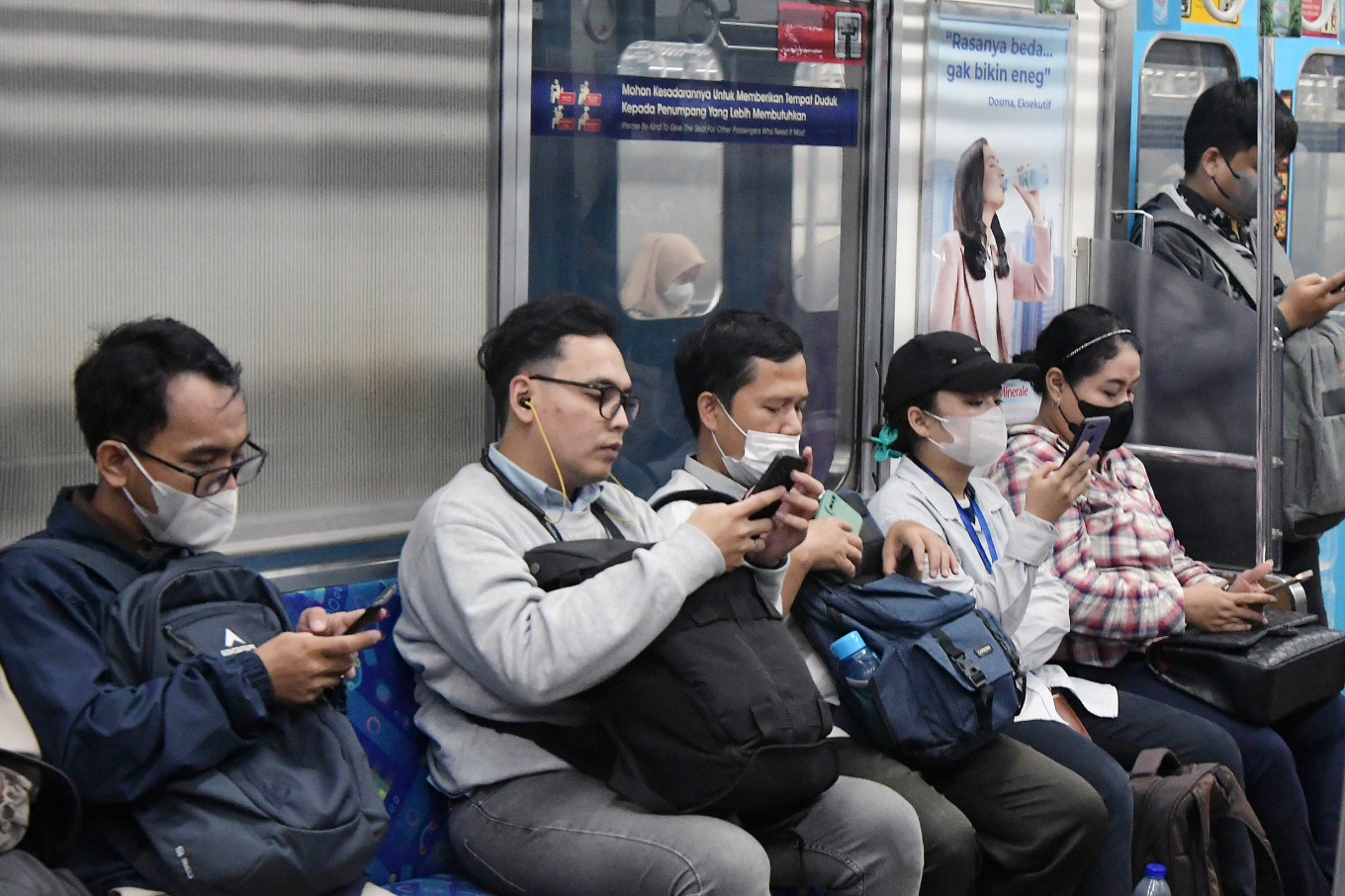
Social influence is another important psychological factor. People are more likely to adopt preventive behaviors when they see others doing the same. For example, mask-wearing, vaccination, and hygiene practices become more common when they are normalized within a community. Social norms can either support or hinder influenza prevention efforts depending on how health behaviors are perceived.
Risk perception also affects influenza prevention. If individuals believe they are not at risk, they are less likely to take preventive actions. Conversely, overestimating risk can lead to unnecessary fear. Accurate understanding of personal and community risk is important for balanced decision-making. Public health messaging plays a key role in shaping correct risk perception.
Habits are central to long-term influenza prevention. Many preventive behaviors, such as handwashing, covering coughs, and avoiding face-touching, need to become automatic routines rather than conscious decisions. Habit formation requires repetition and reinforcement. Once established, these behaviors are more likely to be maintained consistently, even during busy or stressful periods.
Emotional well-being also influences immune function. Positive emotions such as happiness, gratitude, and social connection have been associated with improved immune responses. While emotions alone cannot prevent influenza, they contribute to overall resilience and healthier lifestyle choices.
Sleep quality, closely linked to psychological health, is another important factor. Stress, anxiety, and irregular routines can disrupt sleep, which in turn weakens immune defenses. Good mental health supports better sleep, and better sleep supports stronger immunity, creating a positive cycle that reduces influenza risk.
Decision fatigue is another psychological concept relevant to influenza prevention. When individuals are overwhelmed by too many choices or responsibilities, they may be less likely to follow health guidelines consistently. Simplifying health routines—such as keeping sanitizer easily accessible or setting reminders for vaccination—can help reduce this barrier.
Public health communication must also consider psychology. Messages that are clear, simple, and emotionally balanced are more effective than overly complex or fear-based messaging. Trust is crucial; people are more likely to follow recommendations from sources they perceive as credible and empathetic.
Community support systems can improve psychological resilience. Family, friends, and social groups provide encouragement and accountability, making it easier for individuals to maintain healthy behaviors. Social isolation, on the other hand, can increase stress and reduce motivation for self-care.
In conclusion, psychological factors are deeply connected to influenza prevention. Stress, anxiety, depression, habits, social influence, and risk perception all shape how individuals respond to health threats. By addressing mental health alongside physical preventive measures, influenza prevention becomes more effective and sustainable. A strong mind supports a strong immune system, and together they form a powerful defense against influenza.
Influenza prevention is often discussed in terms of physical measures such as vaccination, hygiene, and environmental control. However, psychological factors also play a significant role in determining how well individuals protect themselves from infection. Human behavior, decision-making, stress levels, and emotional well-being all influence immune function and health habits. Understanding the psychological dimension of influenza prevention helps explain why some people consistently follow preventive measures while others do not, even when they are aware of the risks.
One of the most important psychological factors is stress. Chronic stress can weaken the immune system by increasing the production of stress hormones such as cortisol. When cortisol levels remain elevated for long periods, the body’s ability to fight infections becomes less effective. This makes individuals more susceptible to influenza and other respiratory illnesses. Stress also negatively affects sleep quality, appetite, and energy levels, all of which are important for maintaining a strong immune system.
Anxiety can also influence influenza prevention behaviors. Some individuals may become overly anxious about infection, leading to excessive avoidance behaviors, while others may underestimate the risk and neglect preventive measures. Balanced awareness is essential. Being informed without becoming overwhelmed helps individuals take practical and consistent actions such as vaccination, hygiene, and responsible social behavior.
Depression is another psychological factor that can indirectly increase the risk of influenza. People experiencing depression may have lower motivation to engage in self-care behaviors such as handwashing, eating nutritious food, exercising, or seeking medical attention when needed. This reduced self-care can weaken the immune system and increase vulnerability to infection. Supporting mental health is therefore an important part of overall disease prevention.
Behavioral psychology plays a key role in understanding why people do or do not follow health recommendations. Even when individuals know that vaccination or hygiene practices are important, habits, beliefs, and social influences often determine actual behavior. For example, people may skip handwashing due to inconvenience or avoid vaccination due to misinformation or fear. Addressing these behavioral barriers is essential for improving influenza prevention.
Social influence is another important psychological factor. People are more likely to adopt preventive behaviors when they see others doing the same. For example, mask-wearing, vaccination, and hygiene practices become more common when they are normalized within a community. Social norms can either support or hinder influenza prevention efforts depending on how health behaviors are perceived.
Risk perception also affects influenza prevention. If individuals believe they are not at risk, they are less likely to take preventive actions. Conversely, overestimating risk can lead to unnecessary fear. Accurate understanding of personal and community risk is important for balanced decision-making. Public health messaging plays a key role in shaping correct risk perception.
Habits are central to long-term influenza prevention. Many preventive behaviors, such as handwashing, covering coughs, and avoiding face-touching, need to become automatic routines rather than conscious decisions. Habit formation requires repetition and reinforcement. Once established, these behaviors are more likely to be maintained consistently, even during busy or stressful periods.
Emotional well-being also influences immune function. Positive emotions such as happiness, gratitude, and social connection have been associated with improved immune responses. While emotions alone cannot prevent influenza, they contribute to overall resilience and healthier lifestyle choices.
Sleep quality, closely linked to psychological health, is another important factor. Stress, anxiety, and irregular routines can disrupt sleep, which in turn weakens immune defenses. Good mental health supports better sleep, and better sleep supports stronger immunity, creating a positive cycle that reduces influenza risk.
Decision fatigue is another psychological concept relevant to influenza prevention. When individuals are overwhelmed by too many choices or responsibilities, they may be less likely to follow health guidelines consistently. Simplifying health routines—such as keeping sanitizer easily accessible or setting reminders for vaccination—can help reduce this barrier.
Public health communication must also consider psychology. Messages that are clear, simple, and emotionally balanced are more effective than overly complex or fear-based messaging. Trust is crucial; people are more likely to follow recommendations from sources they perceive as credible and empathetic.
Community support systems can improve psychological resilience. Family, friends, and social groups provide encouragement and accountability, making it easier for individuals to maintain healthy behaviors. Social isolation, on the other hand, can increase stress and reduce motivation for self-care.
In conclusion, psychological factors are deeply connected to influenza prevention. Stress, anxiety, depression, habits, social influence, and risk perception all shape how individuals respond to health threats. By addressing mental health alongside physical preventive measures, influenza prevention becomes more effective and sustainable. A strong mind supports a strong immune system, and together they form a powerful defense against influenza.