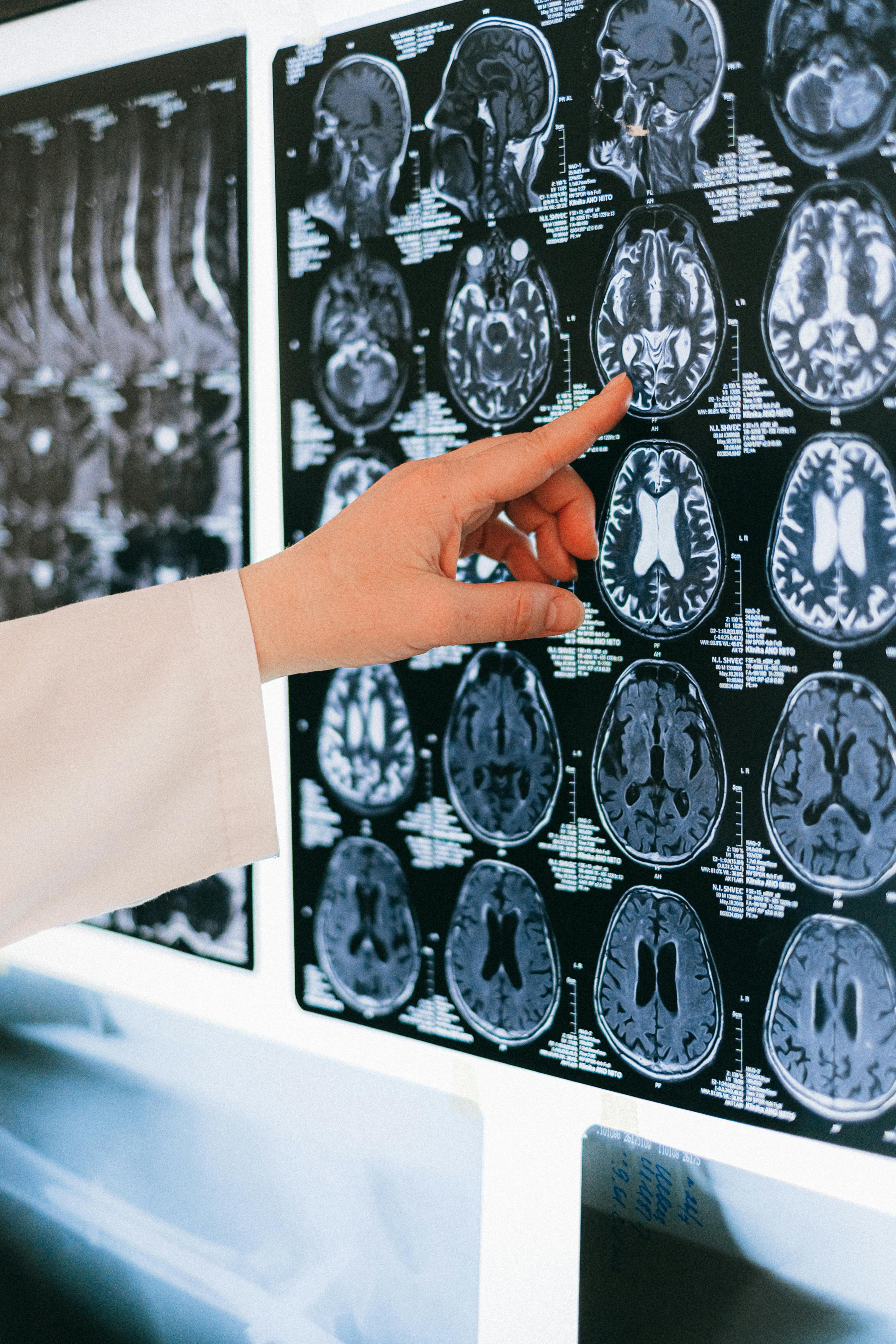
Stroke Prevention and Maintaining Brain Health
Stroke is a leading cause of disability and death worldwide. It occurs when blood flow to the brain is interrupted, either by a blockage (ischemic stroke) or by bleeding (hemorrhagic stroke). The damage caused by a stroke can be sudden and catastrophic, affecting speech, mobility, cognition, and overall quality of life. Fortunately, many strokes are preventable through lifestyle changes, medical management, and increased awareness of risk factors.
Understanding the risk factors is the first step in prevention. Some factors, such as age, gender, and genetics, cannot be controlled. However, most strokes are linked to modifiable factors including high blood pressure, high cholesterol, smoking, obesity, physical inactivity, and uncontrolled diabetes. Addressing these factors through proactive measures can significantly reduce the likelihood of a stroke.
High blood pressure, or hypertension, is the most critical risk factor for stroke. Elevated blood pressure damages blood vessel walls and increases the risk of both ischemic and hemorrhagic strokes. Regular monitoring of blood pressure and adopting lifestyle measures to maintain it within a healthy range are essential for stroke prevention.
A healthy diet plays a central role in protecting brain and cardiovascular health. Diets low in saturated fats, trans fats, and sodium, but rich in fruits, vegetables, whole grains, legumes, and lean proteins, help manage blood pressure, cholesterol, and blood sugar. Omega-3 fatty acids, found in fish, flaxseeds, and walnuts, support blood vessel health and reduce inflammation, lowering stroke risk.
Regular physical activity not only strengthens the heart but also improves blood circulation to the brain. Moderate-intensity exercises, such as brisk walking, swimming, cycling, or yoga for at least 30 minutes a day, can reduce obesity, control blood pressure, and enhance overall vascular health. Physical activity also improves mental well-being and cognitive function, which is important for long-term brain health.
- Monitor blood pressure: Maintain healthy levels to reduce stroke risk.
- Follow a balanced diet: Emphasize fruits, vegetables, whole grains, and omega-3 fatty acids.
- Exercise regularly: At least 150 minutes of moderate activity weekly improves circulation and heart health.
- Avoid smoking: Tobacco damages blood vessels and increases stroke risk.
- Limit alcohol consumption: Excessive drinking can raise blood pressure and impair brain function.
- Manage diabetes and cholesterol: Proper medication and lifestyle adjustments reduce complications.
- Maintain healthy weight: Reduces pressure on blood vessels and lowers the risk of metabolic disorders.
- Schedule regular medical check-ups: Early detection of risk factors can prevent strokes.
Smoking cessation is one of the most effective ways to prevent stroke. Nicotine and other chemicals in tobacco increase blood clot formation, damage vessel walls, and elevate blood pressure. Quitting smoking even after years of exposure can dramatically reduce stroke risk over time.
Excessive alcohol consumption can also harm the brain and cardiovascular system. Heavy drinking increases blood pressure, weakens the heart muscle, and elevates the risk of atrial fibrillation, a condition that significantly raises the likelihood of stroke. Moderate or no alcohol intake is recommended for long-term brain protection.
Stress management is another critical aspect of stroke prevention. Chronic stress leads to elevated blood pressure and triggers inflammation, both of which increase the risk of stroke. Relaxation techniques such as meditation, deep breathing exercises, mindfulness, and adequate leisure time can help maintain a healthy mind and body.
Sleep quality and duration play a key role in brain health. Chronic sleep deprivation is associated with hypertension, obesity, and diabetes, all of which are stroke risk factors. Adults should aim for 7–9 hours of restorative sleep each night. Establishing a consistent sleep schedule and avoiding stimulants like caffeine in the evening can improve sleep quality.
Early detection and management of chronic conditions such as diabetes, high cholesterol, and atrial fibrillation are crucial. Regular check-ups and appropriate medication adherence can prevent complications that increase stroke risk. In addition, being aware of early warning signs, such as sudden numbness, confusion, difficulty speaking, or vision problems, can ensure rapid treatment, minimizing long-term damage.
Community awareness and education significantly enhance stroke prevention. Knowledge about risk factors, lifestyle interventions, and emergency response increases the likelihood of timely action. Programs promoting healthy eating, physical activity, and smoking cessation empower individuals to take control of their brain and heart health.
In conclusion, stroke prevention requires a comprehensive approach that includes lifestyle modification, medical management, and increased awareness. Maintaining a healthy diet, exercising regularly, avoiding harmful habits, managing stress, ensuring adequate sleep, and monitoring chronic conditions are essential strategies to protect the brain and reduce stroke risk. By adopting these proactive measures, individuals can significantly lower their chances of experiencing a stroke and improve long-term quality of life.