Lung Health and Preventing Respiratory Diseases
The lungs are vital organs responsible for delivering oxygen to the bloodstream and removing carbon dioxide from the body. Respiratory diseases, such as chronic obstructive pulmonary disease (COPD), asthma, pneumonia, and lung cancer, are major causes of illness and mortality worldwide. Many of these diseases are preventable or manageable through lifestyle changes, environmental awareness, and early medical intervention.
Maintaining lung health begins with understanding risk factors. Smoking is the leading preventable cause of lung disease, contributing to COPD, lung cancer, and chronic bronchitis. Environmental exposures, such as air pollution, secondhand smoke, and occupational hazards like dust and chemical fumes, also increase the risk. Pre-existing conditions like asthma or recurrent respiratory infections further compromise lung function.
A smoke-free lifestyle is the single most effective way to protect the lungs. Quitting smoking not only reduces the risk of lung cancer but also improves lung capacity, circulation, and overall respiratory health. Avoiding secondhand smoke and limiting exposure to polluted environments also play a crucial role in prevention.
Regular physical activity supports lung function by strengthening respiratory muscles and improving oxygen efficiency. Aerobic exercises such as walking, jogging, swimming, or cycling for at least 150 minutes per week increase lung capacity, improve circulation, and enhance overall fitness. Activities like yoga and breathing exercises can also improve respiratory control and lung efficiency.
- Quit smoking: Avoid both active and passive exposure to tobacco smoke.
- Exercise regularly: Engage in aerobic and breathing exercises to strengthen lung function.
- Maintain a healthy diet: Eat fruits, vegetables, and antioxidants to support immune and lung health.
- Avoid air pollutants: Limit exposure to smog, dust, chemical fumes, and indoor smoke.
- Monitor respiratory health: Seek prompt care for persistent cough, wheezing, or shortness of breath.
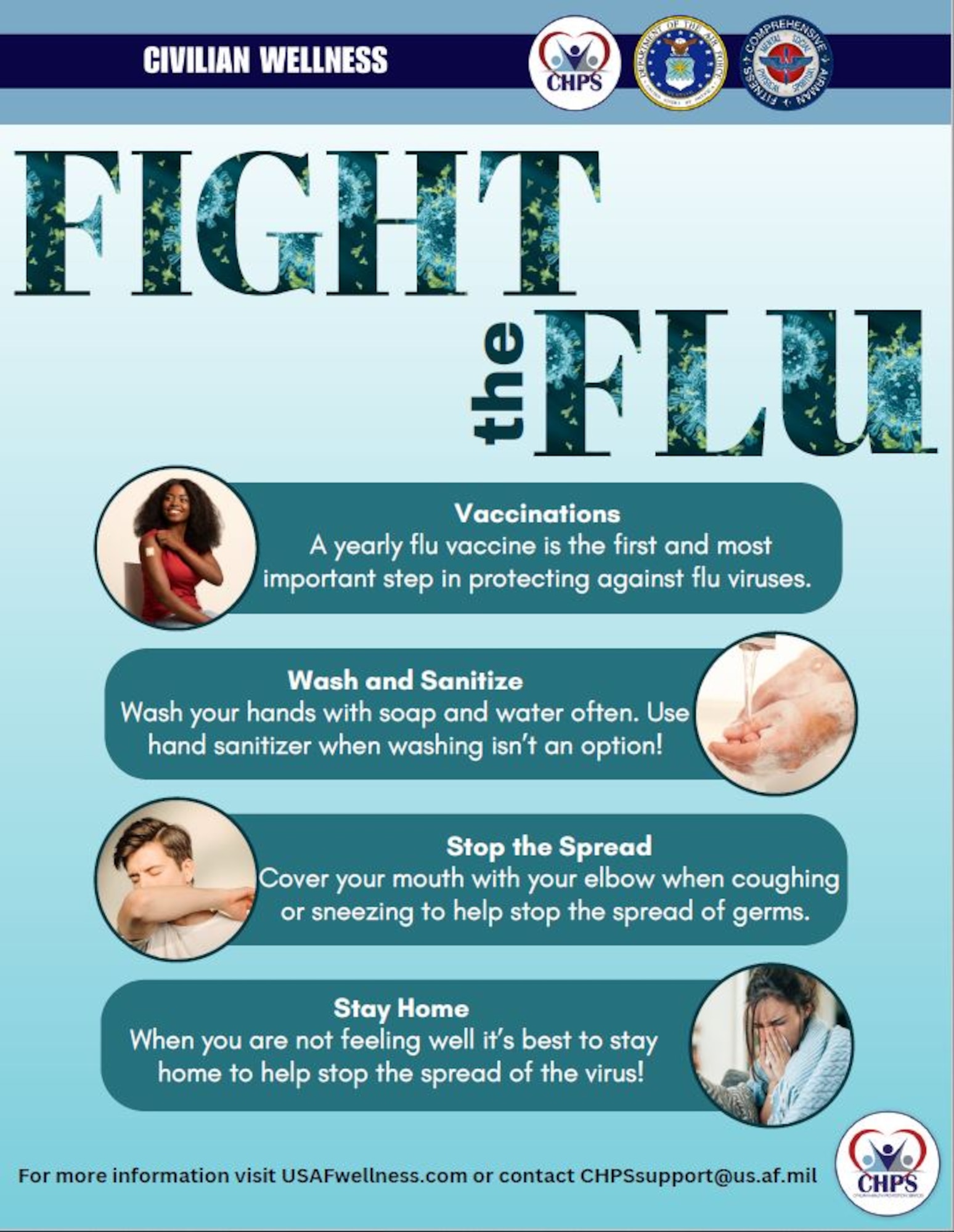
- Vaccinations: Stay updated on vaccines for influenza, pneumonia, and COVID-19.
- Manage chronic conditions: Control asthma, allergies, and other respiratory illnesses carefully.
- Regular medical check-ups: Early detection of lung problems can prevent complications.
Diet also plays a supporting role in lung health. Foods rich in antioxidants, such as vitamins C and E, carotenoids, and flavonoids, help protect lung tissue from oxidative stress and inflammation. Fresh fruits, vegetables, whole grains, and nuts should be emphasized, while processed foods, excessive sugar, and high-fat foods should be minimized.
Stress and poor sleep can indirectly affect lung function. Chronic stress can increase inflammation, while inadequate sleep may impair immune response, making the lungs more vulnerable to infections. Adults should aim for 7–9 hours of quality sleep per night and practice stress management techniques such as meditation, mindfulness, and relaxation exercises.
Vaccinations are crucial for preventing respiratory infections. Influenza, pneumonia, and COVID-19 vaccines reduce the risk of severe illness, especially in individuals with chronic conditions or weakened immune systems. Timely vaccination helps maintain lung health and overall immune resilience.
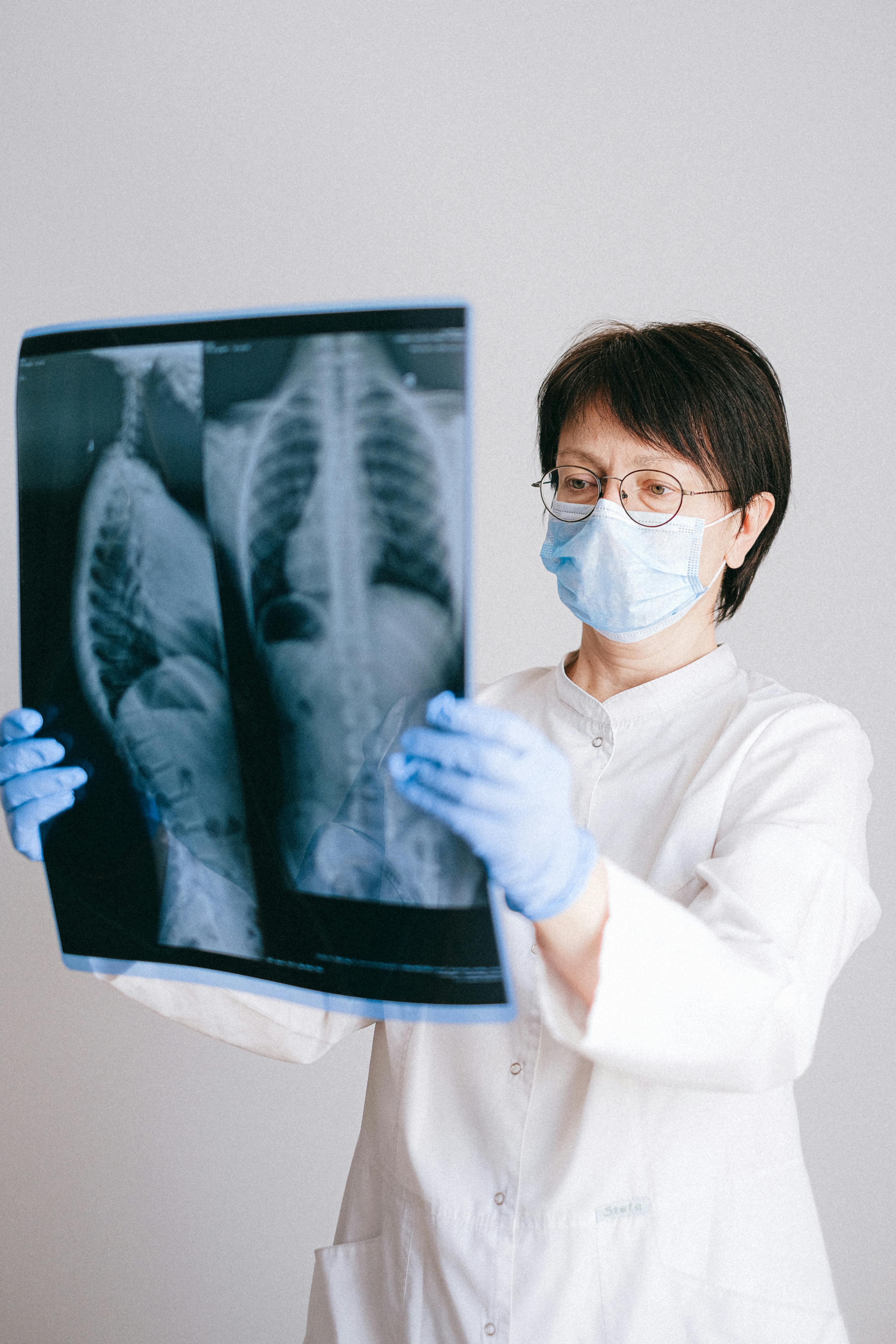
Early recognition and treatment of respiratory conditions are essential. Persistent cough, wheezing, shortness of breath, chest pain, or fatigue may indicate underlying lung disease. Prompt medical evaluation, diagnostic testing, and adherence to treatment plans can prevent disease progression and improve quality of life.
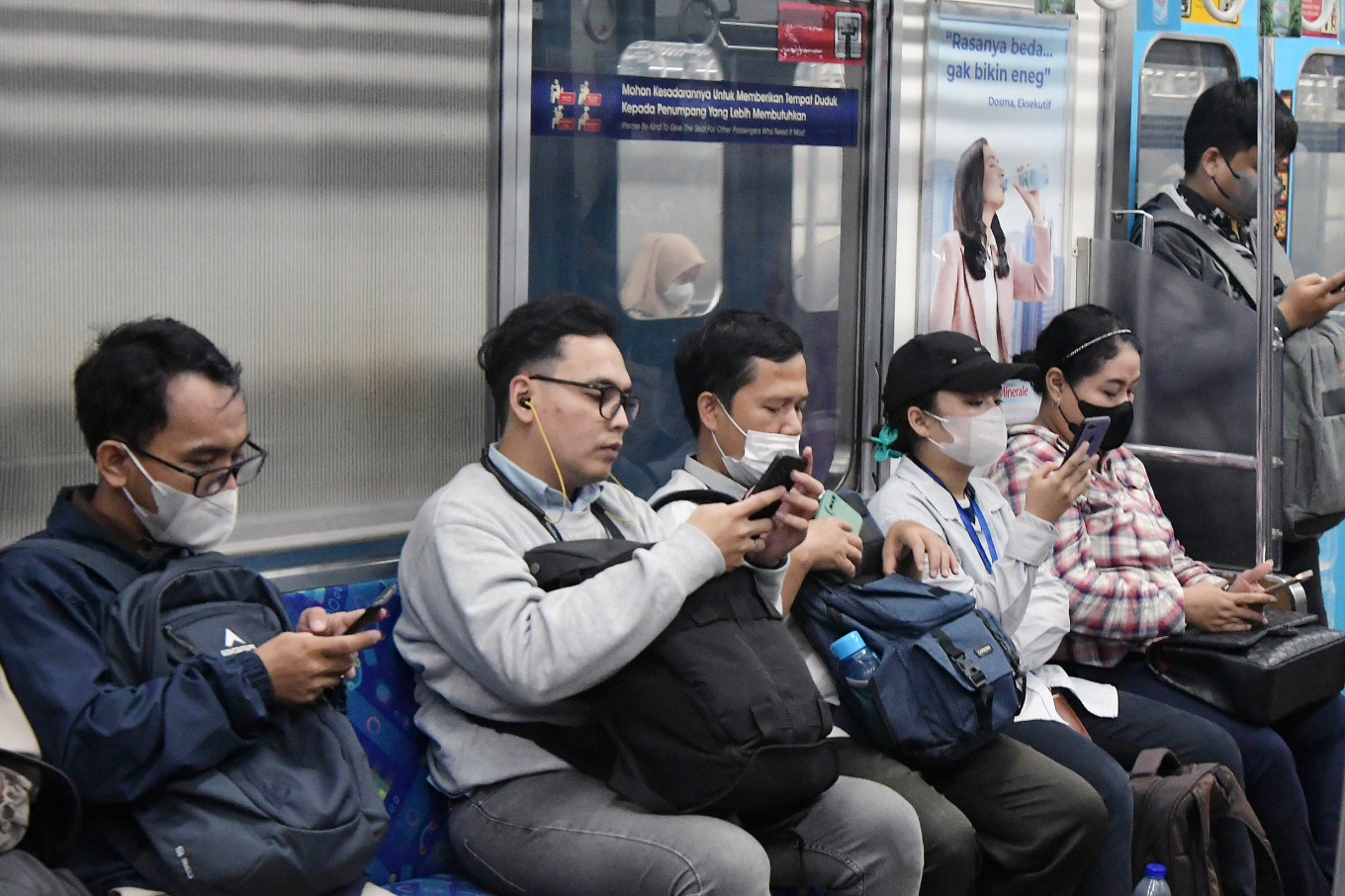
Environmental awareness and protective measures are equally important. Using masks in polluted areas, ensuring proper ventilation indoors, and reducing exposure to occupational hazards can significantly protect lung health. Educating communities about the dangers of pollutants and promoting clean-air initiatives also supports public respiratory health.
In conclusion, lung health is essential for overall well-being and longevity. Preventing respiratory diseases requires a comprehensive approach that includes avoiding smoking and pollutants, exercising regularly, maintaining a nutritious diet, managing chronic conditions, practicing stress reduction, ensuring adequate sleep, and staying up to date on vaccinations. By taking these proactive measures, individuals can protect their lungs, improve quality of life, and reduce the risk of debilitating or life-threatening respiratory conditions.