Eye Health and Vision Preservation
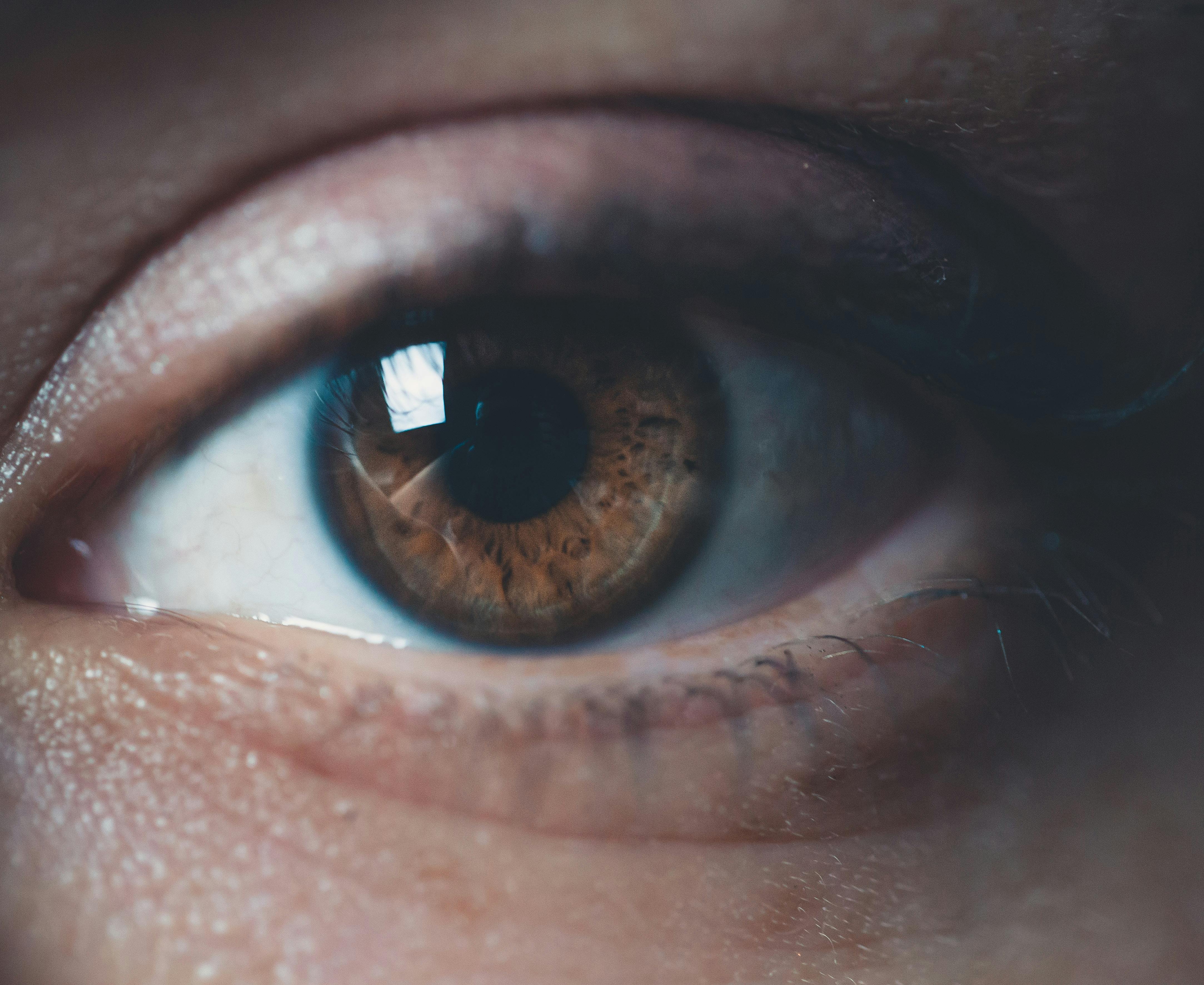
Eyes are vital organs that allow us to perceive the world and interact with our environment. Maintaining good eye health is crucial for preserving vision, preventing eye diseases, and supporting overall quality of life. Common eye conditions include cataracts, glaucoma, macular degeneration, diabetic retinopathy, and refractive errors. Many of these conditions can be prevented, managed, or delayed through lifestyle interventions, nutrition, and regular eye care.
Nutrition plays a significant role in eye health. Vitamins A, C, and E, along with minerals such as zinc and selenium, support retinal function and protect against oxidative stress. Leafy green vegetables, carrots, bell peppers, citrus fruits, and nuts are excellent sources. Omega-3 fatty acids found in fatty fish, flaxseeds, and walnuts support tear production and reduce the risk of age-related macular degeneration.
Regular eye check-ups are essential for early detection of eye diseases. Comprehensive eye exams can identify conditions like glaucoma, diabetic retinopathy, and cataracts before symptoms appear. Early intervention can prevent vision loss and maintain long-term eye health.
- Eat nutrient-rich foods: Include leafy greens, colorful vegetables, fruits, nuts, and fatty fish to support eye health.
- Protect eyes from UV light: Wear sunglasses with UV protection to prevent cataracts and macular degeneration.
- Schedule regular eye exams: Early detection of eye diseases improves outcomes.
- Maintain healthy blood sugar and blood pressure: Reduces risk of diabetic retinopathy and retinal damage.
- Avoid smoking: Smoking increases the risk of cataracts, macular degeneration, and optic nerve damage.
- Practice proper screen habits: Follow the 20-20-20 rule to reduce digital eye strain.
- Exercise regularly: Improves blood circulation to the eyes and supports overall health.
- Maintain a healthy weight: Obesity increases risk of diabetes and related eye complications.
Eye protection from harmful environmental factors is also important. UV radiation from sunlight can damage the retina and lens over time. Wearing sunglasses with 100% UV protection, wide-brimmed hats, and avoiding prolonged exposure to bright sunlight helps preserve vision. In occupational settings, protective eyewear prevents injuries from chemicals, debris, or excessive light exposure.
Digital eye strain is increasingly common due to prolonged screen use. Symptoms include dry eyes, blurred vision, headaches, and fatigue. Following the 20-20-20 rule—looking at something 20 feet away for 20 seconds every 20 minutes—can reduce strain. Proper screen brightness, posture, and blinking regularly also protect eye health.
Regular exercise and cardiovascular health support proper blood flow to the eyes. Reduced circulation can increase the risk of retinal disorders. Moderate-intensity exercises, such as walking, swimming, or cycling, improve circulation and oxygen delivery, benefiting overall eye function.
Maintaining healthy blood sugar, cholesterol, and blood pressure levels is critical. Conditions such as diabetes and hypertension can damage blood vessels in the eyes, leading to vision-threatening conditions like diabetic retinopathy and hypertensive retinopathy. A balanced diet, regular exercise, and proper medical management mitigate these risks.
Smoking is a major risk factor for eye diseases. Toxins in tobacco increase oxidative stress and inflammation, contributing to cataracts, macular degeneration, and optic nerve damage. Quitting smoking reduces these risks and supports long-term eye health.
In conclusion, eye health requires a multifaceted approach involving nutrition, lifestyle, preventive care, and protection from environmental hazards. Nutrient-rich diets, UV protection, regular eye exams, healthy lifestyle habits, and management of chronic conditions are key strategies to preserve vision and prevent eye disease. By prioritizing eye health today, individuals can maintain clear vision and enhance quality of life well into later years.