The Role of Early Detection in Influenza Prevention
Early detection is a crucial component in controlling influenza because it directly affects how quickly transmission can be stopped and how effectively patients can be treated. Influenza spreads rapidly, often within one to three days after infection, and individuals can become contagious even before they fully realize they are sick. Because of this, identifying symptoms and cases early is one of the most effective ways to reduce outbreaks and protect communities.
Influenza typically begins suddenly, unlike many other respiratory infections that develop gradually. Common early symptoms include high fever, chills, muscle aches, fatigue, sore throat, dry cough, headache, and sometimes nasal congestion. The sudden onset of these symptoms is an important warning sign. Many people initially mistake influenza for a common cold, but influenza is usually more severe and causes greater fatigue and body pain. Recognizing this difference is essential for early action.
Early detection is not only about recognizing symptoms in oneself but also in others. In families, workplaces, schools, and public environments, being alert to signs of illness in others helps prevent further spread. When someone shows symptoms of influenza, limiting contact and encouraging them to seek medical attention can significantly reduce transmission chains.
Medical diagnosis plays an important role in early detection. Healthcare providers can use clinical evaluation and rapid influenza diagnostic tests to confirm infection. These tests help distinguish influenza from other respiratory illnesses, allowing for more accurate treatment decisions. Early diagnosis also helps healthcare systems track outbreaks and respond appropriately.
One of the most important reasons early detection matters is the availability of antiviral medications. Drugs such as oseltamivir and other neuraminidase inhibitors are most effective when administered within 48 hours of symptom onset. These medications do not cure influenza, but they can reduce the severity and duration of illness. Early use can also lower the risk of complications, especially in high-risk individuals such as the elderly, young children, pregnant women, and people with chronic diseases.
From a public health perspective, early detection helps prevent large-scale outbreaks. When cases are identified quickly, health authorities can implement control measures such as isolation recommendations, contact tracing, and public advisories. These actions help slow down the spread of the virus and reduce pressure on healthcare systems.
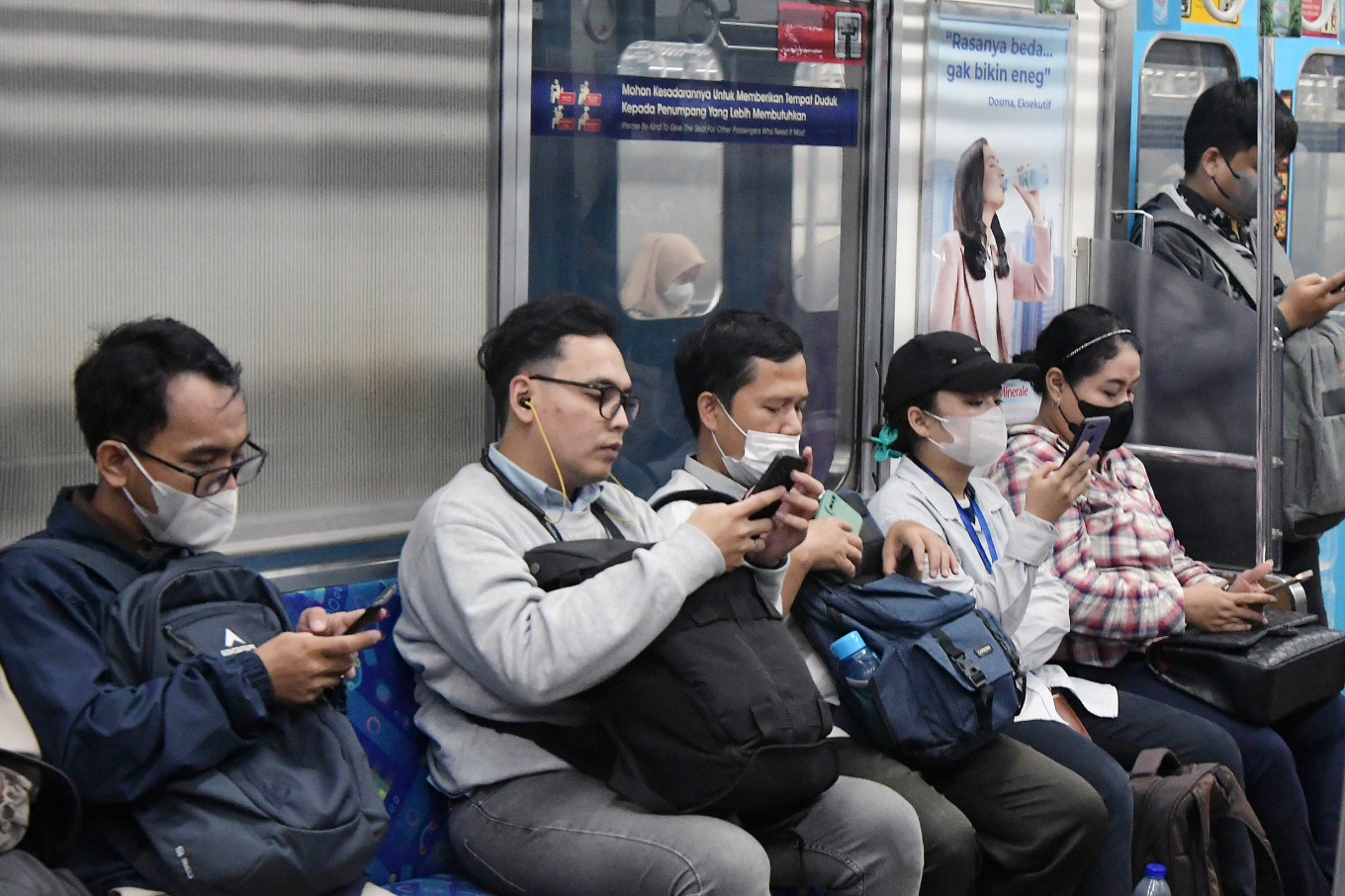
Self-monitoring is an important part of early detection. Individuals should pay attention to sudden changes in their health, especially during flu season or after exposure to infected individuals. Monitoring temperature, energy levels, and respiratory symptoms can help identify influenza early. People who suspect they have influenza should avoid public spaces and limit contact with others.
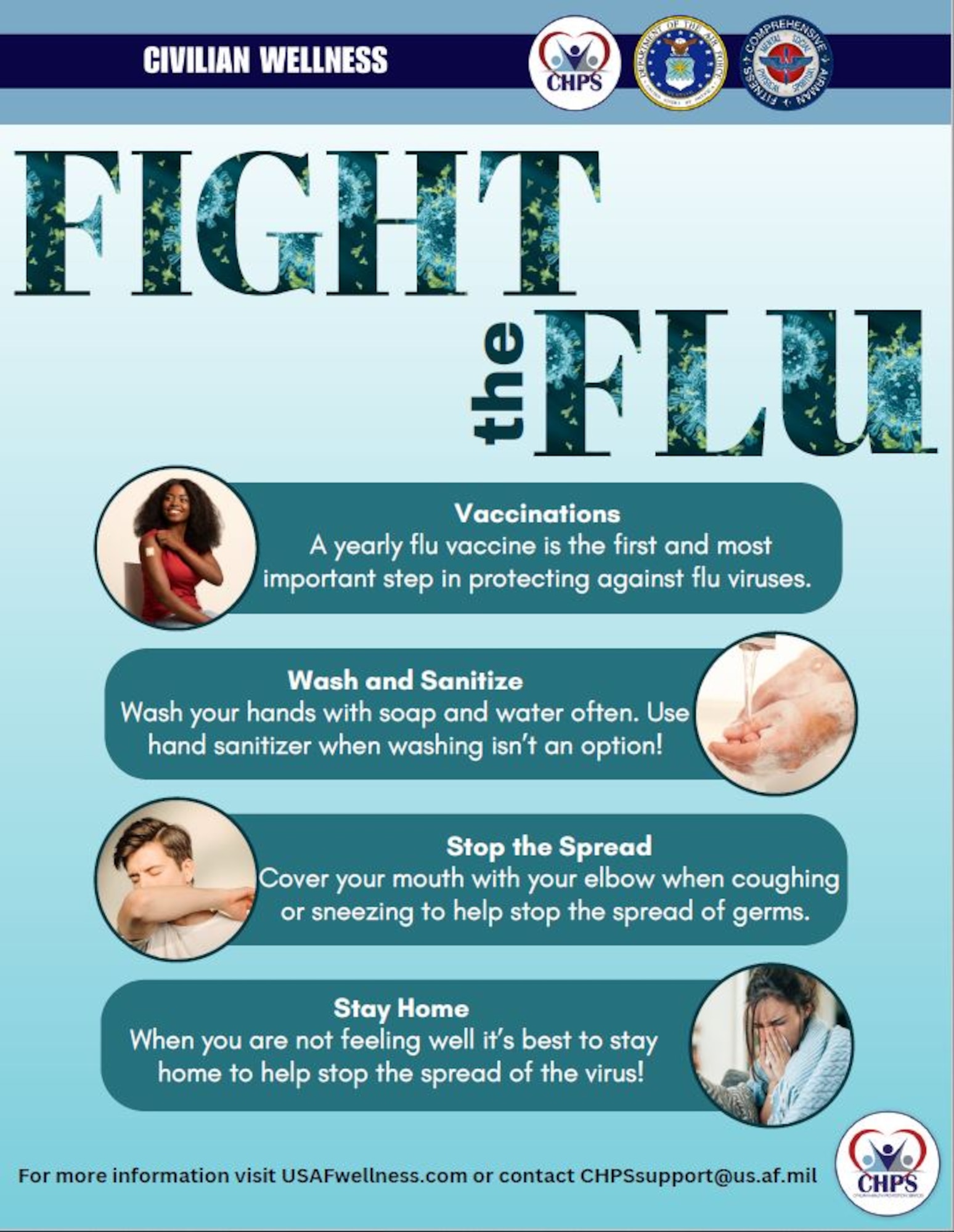
Isolation is a key response after early detection. Staying home when sick is one of the simplest yet most effective ways to prevent spreading influenza. Even mild symptoms can be contagious, so self-isolation helps protect vulnerable individuals in the community. Schools and workplaces often encourage sick leave policies to support this behavior.
Early detection is particularly important in households. Once one family member becomes infected, influenza can spread quickly to others. Recognizing symptoms early allows families to take preventive steps such as separating the sick individual, improving ventilation, increasing cleaning frequency, and practicing strict hygiene measures.
Technology has significantly improved early detection capabilities. Mobile health applications, telemedicine services, and online symptom checkers allow individuals to assess their condition quickly and seek medical advice without physically visiting healthcare facilities. This reduces exposure risk and helps prevent overcrowding in clinics and hospitals.
Public health surveillance systems also rely on early detection. Hospitals and clinics report influenza cases to health authorities, who analyze trends and identify outbreaks. This real-time data helps governments issue warnings, distribute vaccines, and allocate healthcare resources effectively.
Education is essential for improving early detection in communities. Many people delay seeking treatment because they underestimate symptoms or assume they are not serious. Health education campaigns help individuals understand when to seek medical care and why early action is important.
Early detection also supports better recovery outcomes. Patients who receive timely treatment and rest often recover faster and experience fewer complications. Delayed treatment, on the other hand, increases the risk of pneumonia, dehydration, and worsening of underlying health conditions.
Children and elderly individuals require special attention in early detection efforts. Children may not always communicate symptoms clearly, while older adults may experience more severe complications. Caregivers and family members must be attentive to behavioral and physical changes in these groups.
In conclusion, early detection is a powerful tool in influenza prevention and control. By recognizing symptoms quickly, seeking timely medical care, isolating when necessary, and supporting public health systems, individuals can significantly reduce the spread and impact of influenza. When combined with vaccination, hygiene practices, and healthy lifestyle habits, early detection strengthens the overall defense against influenza and helps protect both individuals and communities.