Influenza Prevention in Crowded Public Places
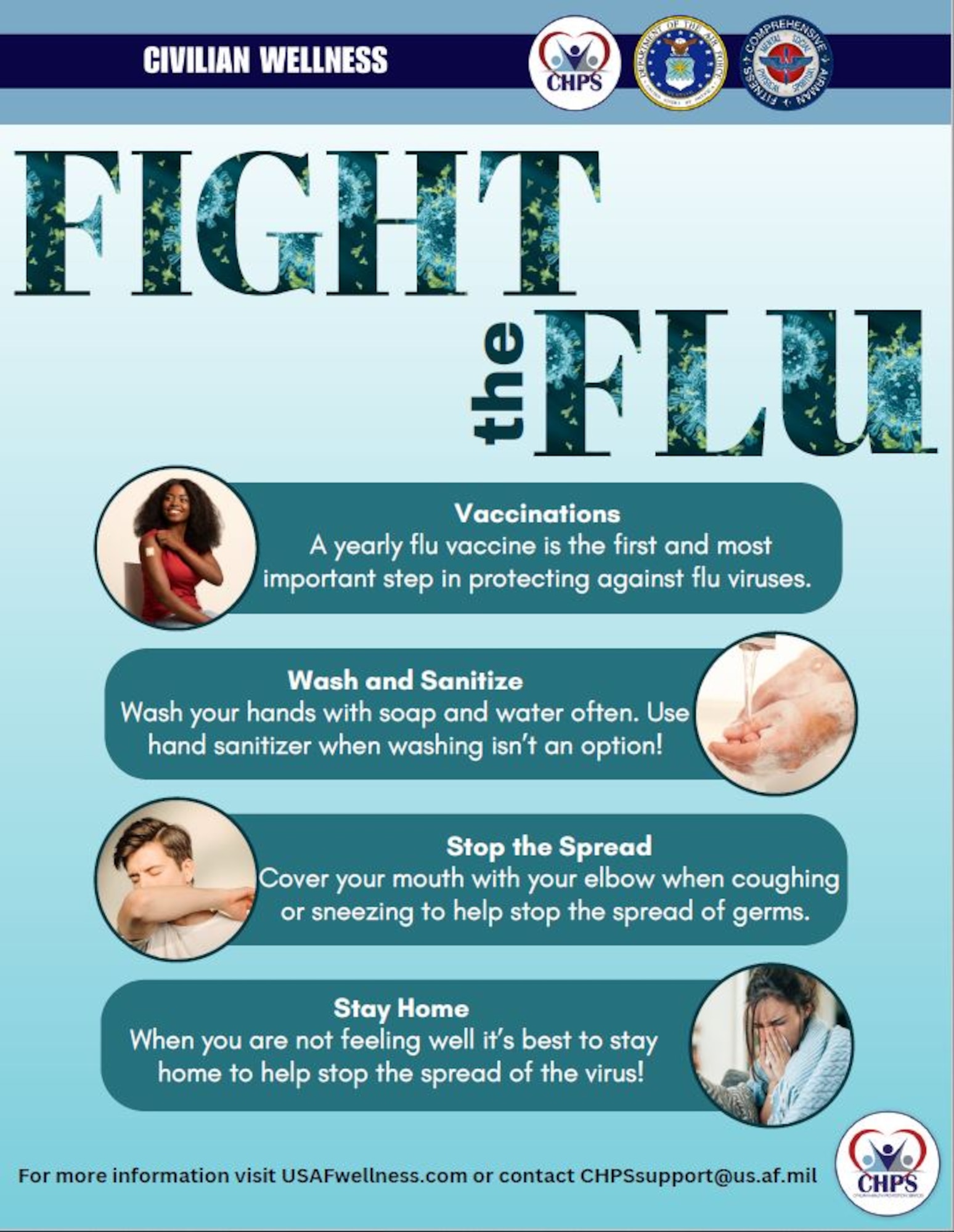
Crowded public places are among the highest-risk environments for influenza transmission. Locations such as shopping malls, traditional markets, stadiums, cinemas, airports, bus terminals, and train stations bring large numbers of people into close contact. Because influenza spreads mainly through respiratory droplets and contaminated surfaces, these environments create ideal conditions for rapid viral transmission. Understanding how to prevent influenza in crowded spaces is essential for reducing outbreaks at the community level.
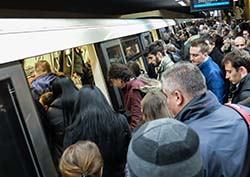
One of the main challenges in crowded places is proximity. People often stand or sit close to one another, especially during peak hours. When an infected person coughs, sneezes, or talks, respiratory droplets can easily reach others nearby. In enclosed or semi-enclosed spaces with limited ventilation, these droplets may remain in the air longer, increasing the risk of inhalation by others. This makes physical distance, even when limited, an important preventive factor.
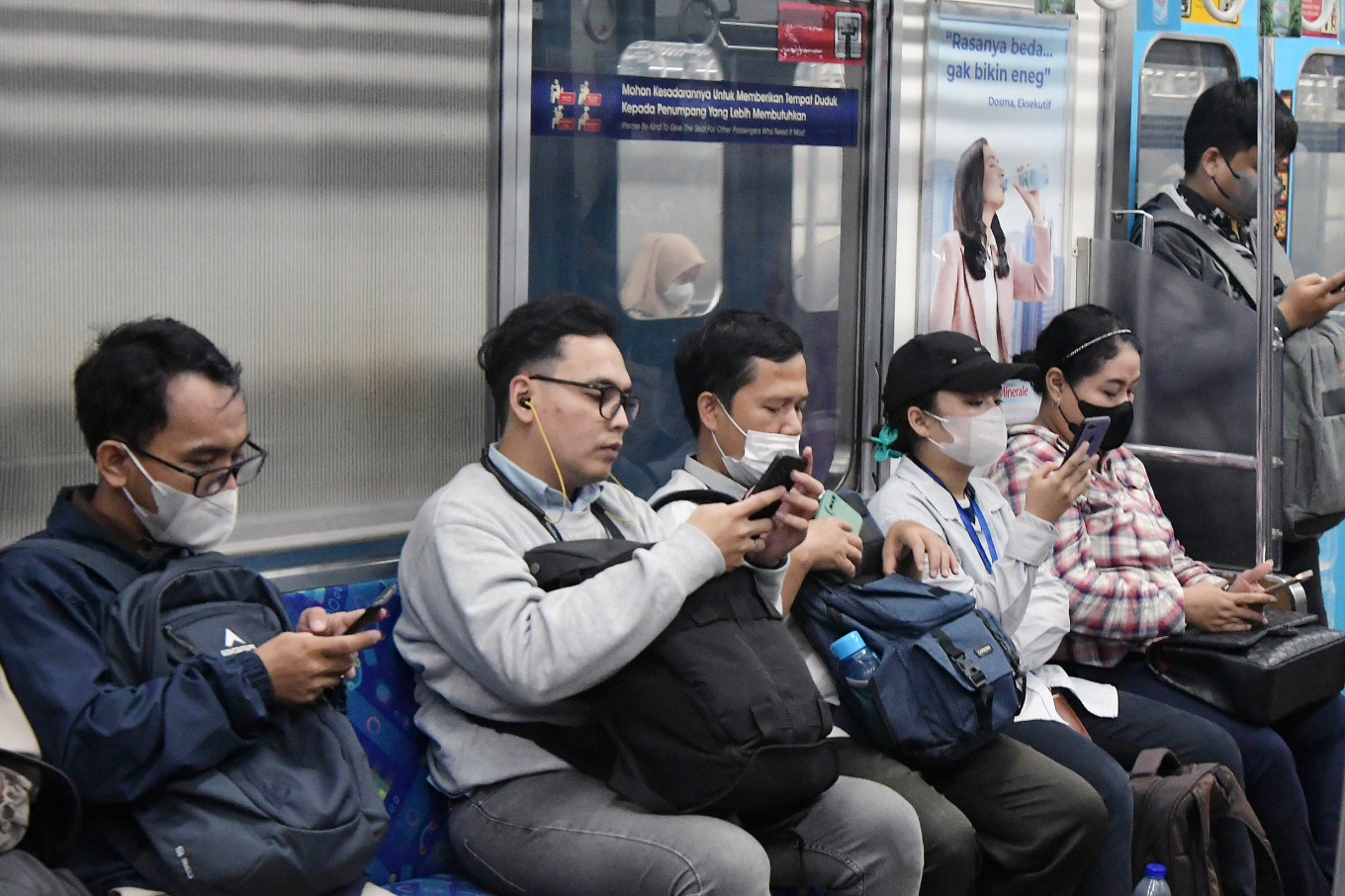
Mask use is one of the most effective preventive measures in crowded environments. Masks help reduce the spread of respiratory droplets from infected individuals and also provide a barrier for healthy individuals. While masks do not offer complete protection, they significantly reduce transmission risk when combined with other measures such as hand hygiene and ventilation. In high-density areas, consistent mask usage becomes especially important during peak influenza seasons.
Hand hygiene is another critical defense in crowded places. Many surfaces in public areas are touched by multiple people throughout the day, including handrails, door handles, elevator buttons, ticket machines, and payment terminals. Touching these surfaces and then touching the face can lead to infection. Using alcohol-based hand sanitizers or washing hands with soap and water after visiting public places helps reduce this risk significantly.
Avoiding face-touching is a simple but important behavior that is often overlooked. People unconsciously touch their eyes, nose, and mouth many times a day, providing a direct pathway for viruses to enter the body. Increasing awareness of this habit and actively reducing it can greatly lower infection risk in crowded environments.
Ventilation plays a key role in reducing influenza transmission in indoor public spaces. Poorly ventilated areas allow viral particles to accumulate in the air, increasing the likelihood of infection. Improving airflow through open windows, air conditioning systems, and mechanical ventilation helps dilute and remove airborne particles. Large facilities such as malls and airports often rely on advanced ventilation systems, but their effectiveness depends on proper maintenance and usage.
Time management is another practical strategy for reducing exposure in crowded places. Visiting public areas during off-peak hours can significantly reduce contact with large crowds. For example, shopping early in the morning or late at night may be safer than during peak hours when crowds are dense. Planning travel and errands with crowd levels in mind helps minimize exposure risk.
Personal health awareness is also essential when entering crowded environments. Individuals who are experiencing flu-like symptoms should avoid public places entirely to prevent spreading the virus to others. Even mild symptoms can be contagious, and responsible behavior plays a major role in protecting community health.
Public transportation is a major part of crowded environments and requires special attention. Buses, trains, and airplanes often involve prolonged close contact between passengers. In these settings, mask use, hand hygiene, and avoiding unnecessary touching of surfaces are particularly important. Transportation systems also benefit from regular cleaning and disinfection of seats, handles, and shared surfaces.
Public facilities such as malls and markets can support influenza prevention by providing accessible hand sanitizing stations. Clear health signage reminding visitors to practice hygiene and respiratory etiquette also helps reinforce preventive behavior. These small interventions can collectively reduce transmission rates in high-traffic areas.
During peak influenza seasons or outbreaks, additional measures may be recommended by public health authorities. These can include limiting crowd sizes, encouraging remote services, increasing cleaning frequency, and issuing public health advisories. Such measures aim to reduce transmission while maintaining essential services and activities.
Crowded places also highlight the importance of individual responsibility. While environmental controls and policies are important, personal behavior ultimately determines exposure risk. Practicing hygiene, wearing masks, and making responsible decisions about travel and social activities contribute significantly to reducing influenza spread.
In conclusion, crowded public places present a high risk for influenza transmission due to close contact, shared surfaces, and limited ventilation. However, this risk can be greatly reduced through a combination of mask use, hand hygiene, ventilation improvements, responsible behavior, and public health measures. By applying these strategies consistently, individuals can safely navigate crowded environments while helping protect themselves and others from influenza infection.