Influenza Prevention Through Technology and Innovation
Technology and innovation have transformed the way influenza is prevented, detected, and managed. While traditional methods such as vaccination, hygiene, and healthy lifestyle habits remain essential, modern technological tools now provide additional layers of protection. These advancements help individuals monitor their health more effectively and enable public health systems to respond faster to outbreaks. Influenza prevention is no longer limited to physical actions alone—it is increasingly supported by digital systems, data analysis, and smart healthcare solutions.
One of the most significant technological contributions to influenza prevention is digital health monitoring. Mobile health applications allow individuals to track symptoms such as fever, cough, fatigue, and body temperature. These apps can alert users when symptoms match influenza patterns and recommend appropriate actions such as rest, hydration, or medical consultation. Early awareness supported by technology helps individuals take preventive steps sooner, reducing the risk of spreading infection.
Wearable devices such as smartwatches and fitness trackers also contribute to early detection. These devices monitor vital signs like heart rate, body temperature, sleep quality, and oxygen levels. Changes in these indicators can sometimes signal the early stages of infection before symptoms become obvious. By identifying abnormalities early, individuals can seek medical attention or isolate themselves sooner, reducing transmission risk.
Telemedicine is another important innovation in influenza prevention. Through video consultations and online healthcare platforms, patients can consult doctors without physically visiting clinics or hospitals. This reduces exposure in healthcare settings and helps prevent overcrowding during flu season. Telemedicine is especially useful for early symptom assessment, follow-up care, and prescription of antiviral medications when necessary.
Artificial intelligence (AI) and data analytics are increasingly used in influenza surveillance. AI systems analyze large amounts of health data from hospitals, laboratories, and online reports to identify patterns and predict outbreaks. These predictive models help public health authorities prepare in advance, allocate resources, and issue warnings before influenza spreads widely.
Big data also plays a crucial role in understanding influenza trends. By analyzing data from multiple sources such as hospital admissions, pharmacy sales, and online symptom searches, health organizations can track the spread of influenza in real time. This allows for faster response compared to traditional reporting systems.
Mobile alert systems are another technological tool used in influenza prevention. Governments and health agencies can send notifications to citizens about flu outbreaks, vaccination campaigns, and preventive measures. These alerts help increase public awareness and encourage timely action, such as getting vaccinated or avoiding crowded places during peak seasons.
Smart vaccination systems have also improved influenza prevention efforts. Digital health records and electronic immunization registries help track vaccination status and remind individuals when they are due for their annual flu shot. This reduces missed vaccinations and increases overall coverage in the population.
Technology has also enhanced vaccine development. Advanced genetic sequencing allows scientists to analyze influenza virus strains more quickly and accurately. This helps in designing vaccines that better match circulating strains each year. Without modern sequencing tools, vaccine development would be slower and less precise.
In healthcare facilities, technology supports infection control through automated systems. For example, UV light disinfection robots and air purification systems are used to sanitize hospital rooms and reduce viral contamination. These tools provide additional protection for patients and healthcare workers, especially in high-risk areas.
Social media platforms also play a role in influenza prevention by spreading public health messages quickly. Health organizations use these platforms to share updates, prevention tips, and outbreak warnings. However, social media also presents challenges due to misinformation, making it important for users to rely on verified sources.
Online education platforms and digital learning tools help increase public knowledge about influenza. Videos, webinars, and interactive modules make it easier for people to understand how the virus spreads and how to prevent it. Education delivered through technology can reach large audiences quickly and effectively.
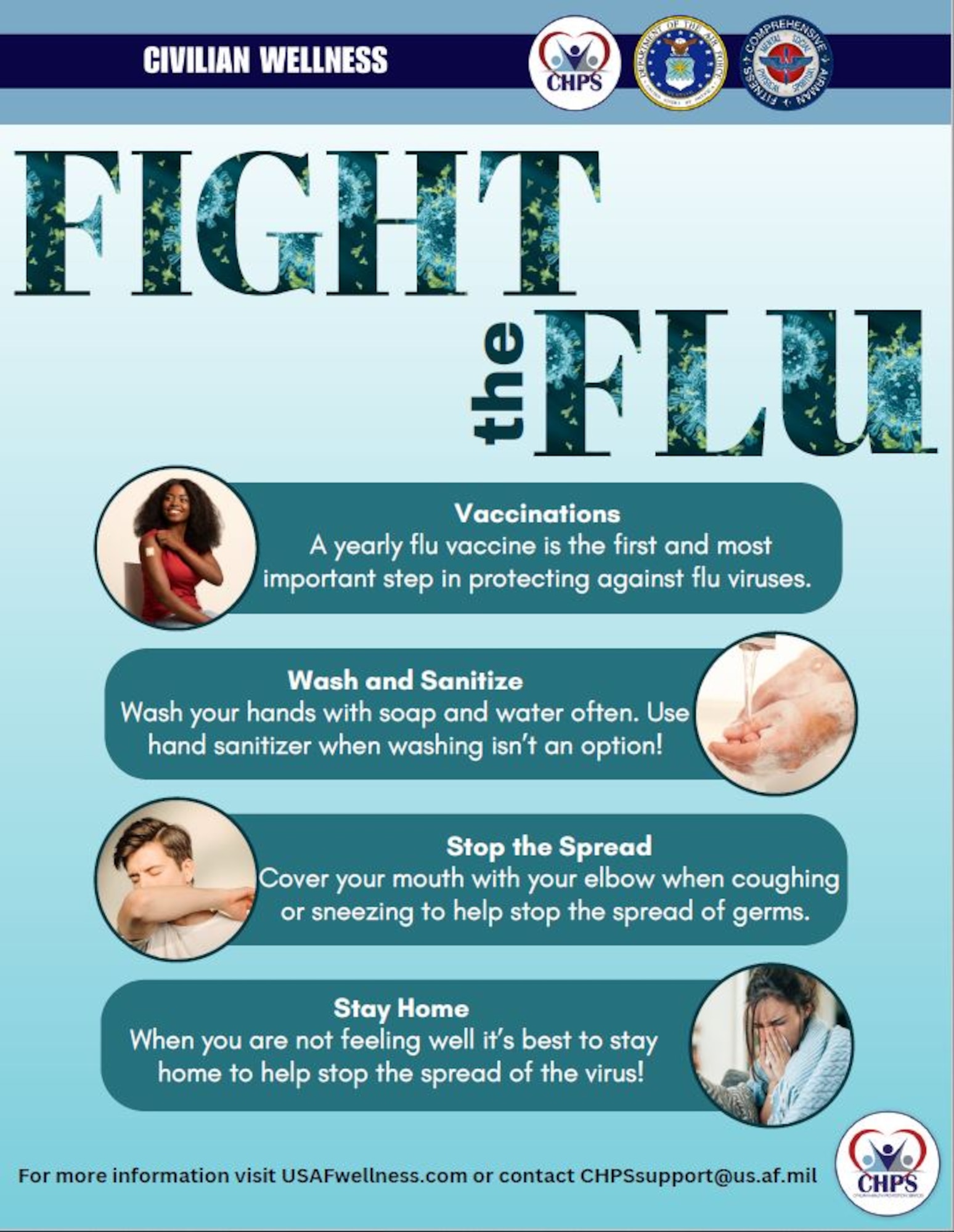
Despite these advantages, technology is not a replacement for basic preventive measures. Vaccination, hygiene, mask use, and healthy lifestyle habits remain the foundation of influenza prevention. Technology works best as a support system that enhances awareness, improves response time, and strengthens public health strategies.
In conclusion, technology and innovation have significantly improved influenza prevention by enabling early detection, enhancing surveillance, supporting vaccination systems, and improving public awareness. From wearable devices to artificial intelligence and telemedicine, modern tools provide valuable support in reducing the spread of influenza. When combined with traditional preventive methods, technology creates a more effective and responsive defense system against influenza outbreaks.