Influenza Prevention in Transportation Systems
Transportation systems are one of the most important yet challenging environments for influenza prevention. Every day, millions of people use buses, trains, airplanes, ferries, and other forms of public transportation. These systems are essential for mobility and economic activity, but they also create ideal conditions for the spread of influenza due to crowding, shared air circulation, and frequent contact with contaminated surfaces.
Influenza spreads mainly through respiratory droplets when an infected person coughs, sneezes, talks, or breathes closely with others. In transportation settings, passengers often sit or stand in close proximity for extended periods, making it easy for viruses to spread. In addition, enclosed spaces with limited ventilation increase the risk of airborne transmission, especially during peak travel hours.
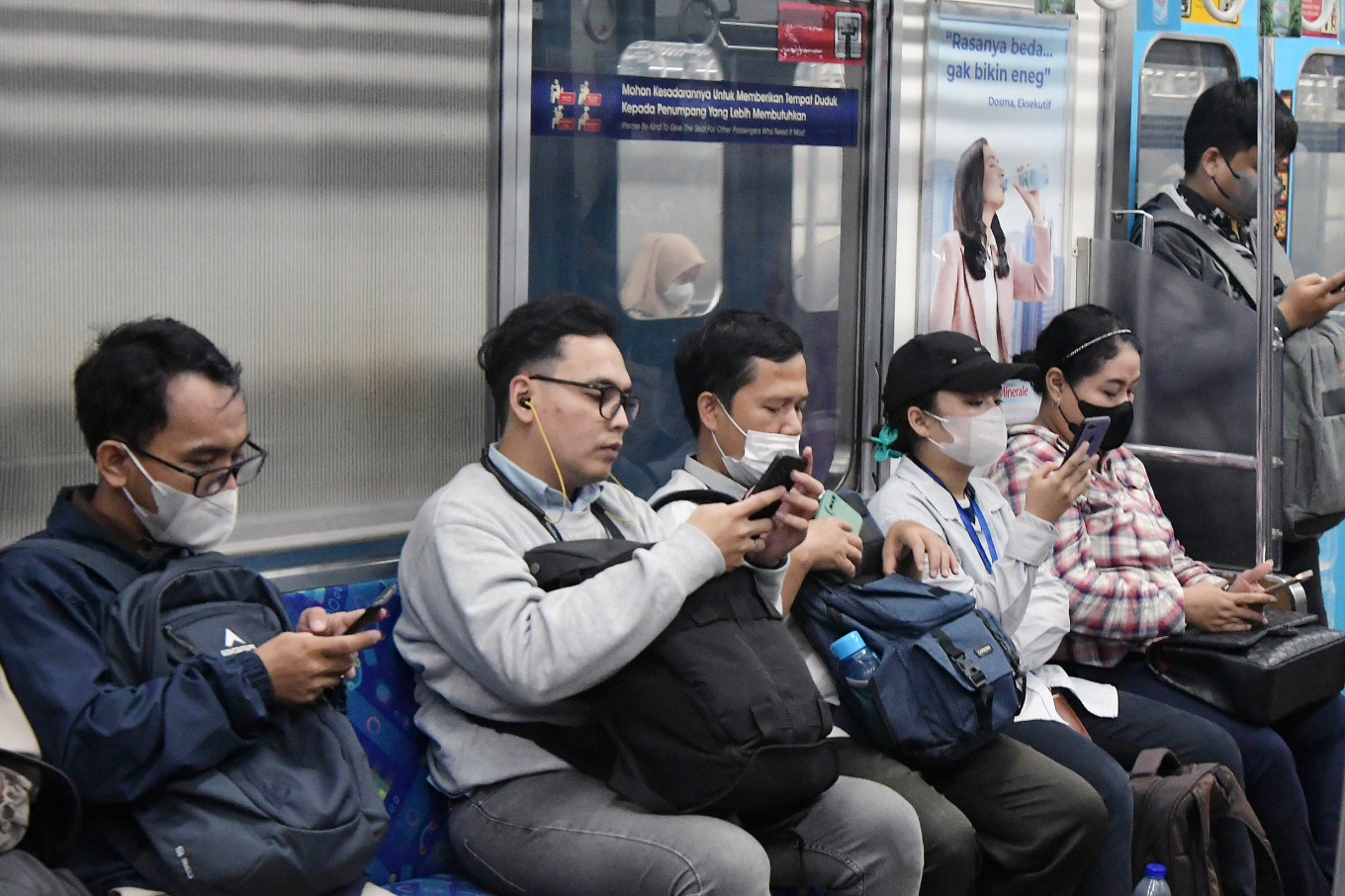
One of the most effective preventive measures in transportation systems is the use of face masks. Masks help reduce the spread of respiratory droplets and lower the risk of inhaling infectious particles. In crowded buses, trains, and airplanes, consistent mask use provides an important layer of protection, especially during influenza season or outbreaks.
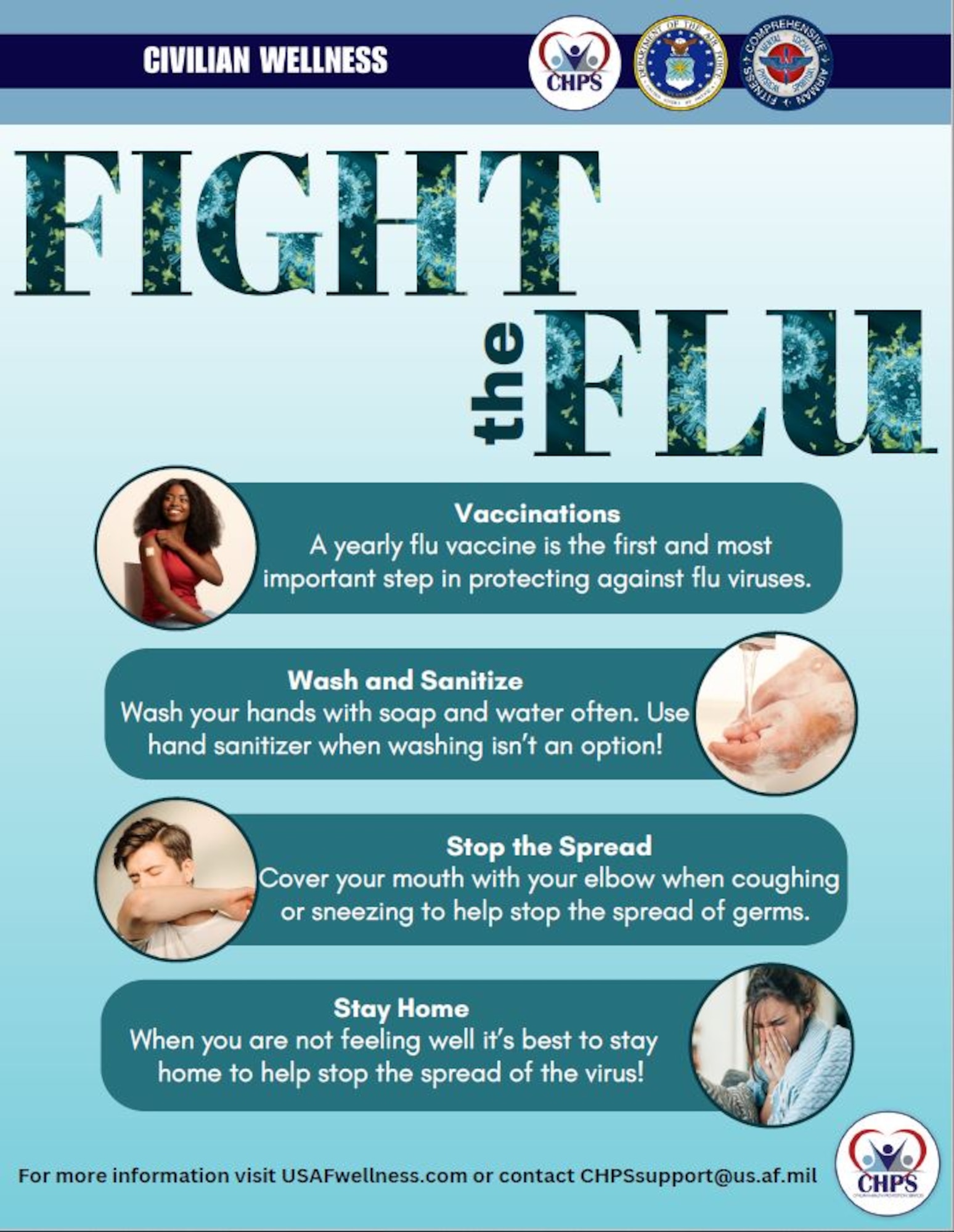
Hand hygiene is equally important in transportation environments. Passengers frequently touch shared surfaces such as seat handles, door buttons, ticket machines, handrails, and luggage compartments. After touching these surfaces, individuals may unknowingly transfer viruses to their face. Using alcohol-based hand sanitizers or washing hands after travel significantly reduces this risk.
Avoiding face-touching is a simple but powerful preventive behavior. Many people unconsciously touch their eyes, nose, or mouth during travel. Since these are entry points for influenza viruses, reducing this habit helps lower infection risk. Awareness training and reminders in transport systems can help reinforce this behavior.
Ventilation is another critical factor in transportation safety. Proper airflow helps reduce the concentration of airborne viruses in enclosed vehicles. Modern airplanes often use HEPA filtration systems that remove particles from the air, significantly improving safety. However, older buses and trains may rely on natural ventilation or basic air conditioning systems, which may not be as effective.
Cleaning and disinfection of transportation vehicles are essential components of influenza control. Seats, armrests, door handles, and other frequently touched surfaces should be cleaned regularly, especially during flu season. Transport authorities often increase cleaning frequency during outbreaks to reduce transmission risk.
Passenger behavior also plays a key role in prevention. Individuals who are sick with influenza symptoms should avoid using public transportation whenever possible. If travel is unavoidable, wearing a mask and practicing strict hygiene is essential to reduce the risk of spreading the virus to others.
Travel timing can also influence exposure risk. Peak hours in transportation systems are typically more crowded, increasing close contact between passengers. When possible, traveling during off-peak hours can reduce exposure to large groups of people and lower infection risk.
Air travel presents additional challenges due to long duration and close seating arrangements. Although aircraft ventilation systems are highly efficient, prolonged contact with many passengers increases the chance of exposure. Passengers are encouraged to follow hygiene practices, stay hydrated, and minimize unnecessary movement within the cabin.
Public transportation systems can support influenza prevention by implementing health policies. These may include providing hand sanitizer stations, displaying health reminders, improving ventilation systems, and encouraging mask use during flu season. Public announcements and signage can also help educate passengers about preventive behaviors.
Ticketing and boarding systems can be designed to reduce crowding. For example, staggered boarding, digital ticketing, and contactless payment methods help minimize physical contact between passengers and staff. These innovations reduce congestion and lower transmission risk.
Transportation staff, including drivers, conductors, and airport workers, also play an important role in influenza prevention. Regular health monitoring, vaccination programs, and hygiene training help protect both workers and passengers. Healthy staff reduce the likelihood of transmission within transportation systems.
Technology is increasingly used to improve transportation safety. Real-time monitoring of passenger density, automated cleaning systems, and air quality sensors help manage infection risks more effectively. Some systems can even adjust ventilation automatically based on occupancy levels.
Despite these measures, individual responsibility remains essential. Every passenger contributes to overall safety by practicing good hygiene, wearing masks when necessary, and being considerate of others when feeling ill. Collective behavior determines the overall effectiveness of prevention efforts in transportation systems.
In conclusion, transportation systems present a high-risk environment for influenza transmission due to crowding, shared surfaces, and enclosed spaces. However, through a combination of mask use, hand hygiene, ventilation improvements, cleaning protocols, and responsible passenger behavior, the risk can be significantly reduced. When both authorities and individuals work together, transportation systems can remain safe and functional even during influenza season.