Workplace Strategies for Influenza Prevention
Influenza outbreaks in workplaces can create serious challenges for employees, employers, and business operations. Every year, seasonal influenza causes millions of workers around the world to miss work due to illness, resulting in reduced productivity, financial losses, and increased pressure on healthcare systems. Offices, factories, retail stores, restaurants, and other workplaces often involve close interaction among employees, customers, and clients, making it easier for influenza viruses to spread quickly. Because of this, implementing effective workplace influenza prevention strategies is essential for maintaining employee health, ensuring business continuity, and protecting public health.
Influenza is a contagious respiratory disease caused by influenza viruses that spread mainly through respiratory droplets released when infected individuals cough, sneeze, talk, or laugh. The virus can also spread through contaminated surfaces such as desks, keyboards, telephones, elevator buttons, door handles, and shared office equipment. In busy work environments where people spend long hours together indoors, a single infected employee can unintentionally spread influenza to many coworkers within a short time.
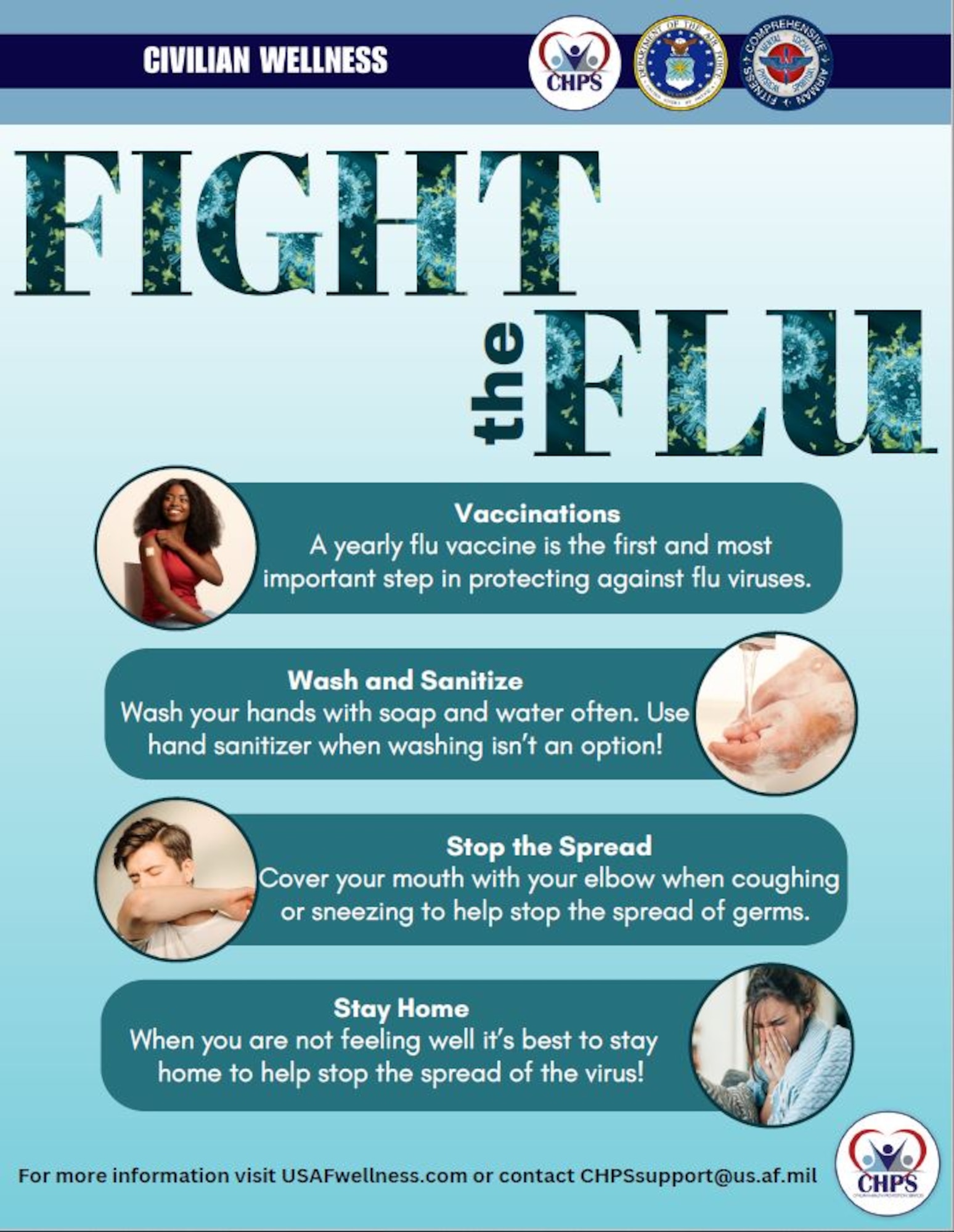
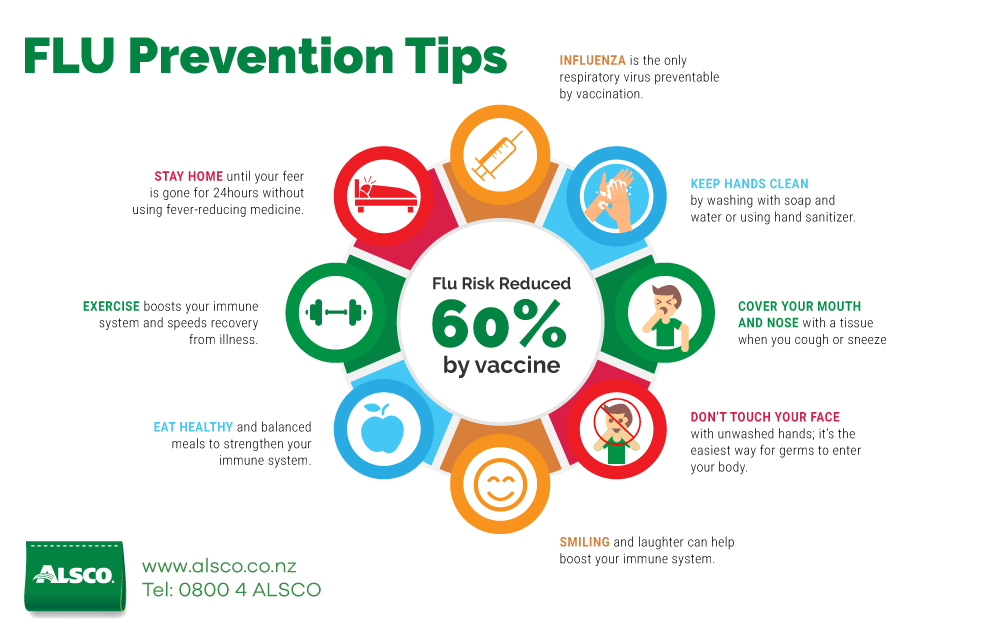
One of the most effective workplace prevention strategies is encouraging annual influenza vaccination among employees. Health experts strongly recommend flu vaccines because they significantly reduce the risk of severe illness, hospitalization, and workplace outbreaks. Vaccinated employees are less likely to become infected and less likely to transmit the virus to colleagues and customers.
Many companies organize workplace vaccination programs to improve accessibility and encourage participation. Some employers provide free flu vaccines on-site, while others partner with healthcare providers or insurance companies to offer discounted vaccination services. Workplace vaccination campaigns not only improve employee health but also reduce absenteeism and healthcare costs associated with influenza outbreaks.
Education is an important component of successful vaccination programs. Some employees may avoid flu vaccines because of misconceptions or fears about side effects. Employers can provide accurate information through seminars, posters, emails, or health workshops explaining the benefits and safety of vaccination. Creating awareness helps employees make informed health decisions and encourages greater participation in prevention efforts.
Hand hygiene is another essential strategy for preventing influenza transmission in workplaces. Employees frequently touch shared surfaces and equipment throughout the workday, increasing the possibility of indirect virus spread. Employers should provide accessible handwashing facilities with soap, water, and paper towels in restrooms and common areas. Alcohol-based hand sanitizers should also be placed near entrances, meeting rooms, cafeterias, and workstations.
Employers can encourage regular handwashing by displaying hygiene reminders throughout the workplace. Employees should wash their hands before eating, after coughing or sneezing, after using shared equipment, and after touching commonly used surfaces. Proper hand hygiene significantly reduces the risk of influenza and other infectious diseases in professional environments.
Respiratory etiquette should also be promoted among workers. Employees should cover their mouths and noses with tissues or their elbows when coughing or sneezing to prevent respiratory droplets from spreading into the air. Used tissues should be disposed of immediately, followed by handwashing or sanitizer use. Creating a culture of health awareness encourages employees to practice responsible behaviors consistently.
Regular cleaning and disinfecting of workplace surfaces is another important preventive measure. Influenza viruses can survive on hard surfaces for several hours, allowing infections to spread indirectly through contact. Cleaning staff should disinfect frequently touched objects such as keyboards, telephones, desks, elevator buttons, printers, conference tables, and door handles regularly, especially during flu season. Providing disinfectant wipes for employees can also encourage personal workspace cleanliness.
Ventilation and indoor air quality are important factors in reducing influenza transmission. Poor airflow may allow respiratory droplets to accumulate indoors, particularly in crowded offices or meeting rooms. Employers should ensure ventilation systems function properly and maintain good airflow throughout buildings. Opening windows when possible and using air filtration systems may further improve indoor air quality and reduce infection risks.
Encouraging sick employees to stay home is one of the most effective ways to prevent workplace outbreaks. Unfortunately, many workers continue going to work while ill due to financial concerns, workload pressure, or fear of appearing unproductive. This behavior, sometimes called “presenteeism,” increases the likelihood of spreading influenza to coworkers and customers.
Employers should create supportive sick leave policies that allow employees to recover at home without fear of losing income or job security. Flexible attendance policies encourage responsible health decisions and reduce workplace transmission. Managers should also set positive examples by staying home when sick and prioritizing employee well-being over short-term productivity.
Remote work arrangements can also help reduce influenza transmission during outbreaks. Advances in technology have made remote work more accessible for many industries. Allowing employees to work from home when experiencing mild symptoms or during severe flu seasons reduces close contact and protects workplace health. Virtual meetings and digital collaboration tools can help businesses maintain operations while minimizing infection risks.
Communication plays a crucial role in workplace influenza prevention. Employers should provide clear information about flu symptoms, prevention strategies, workplace policies, and available health resources. Regular updates through emails, internal websites, or meetings help employees stay informed and prepared during flu season. Transparent communication builds trust and encourages cooperation among staff members.
Healthy workplace environments also support stronger immunity and overall wellness. Employers can promote healthy lifestyles by encouraging balanced nutrition, regular exercise, stress management, and adequate sleep. Some organizations provide wellness programs, fitness memberships, mental health support, or healthy cafeteria options to improve employee well-being. Healthy employees are generally more resistant to infections and recover more quickly when illness occurs.
Stress management is especially important because workplace stress can weaken immune system function. High workloads, tight deadlines, and demanding work environments may contribute to chronic stress and increase vulnerability to illness. Employers can support mental health by encouraging work-life balance, providing counseling services, and creating positive workplace cultures.
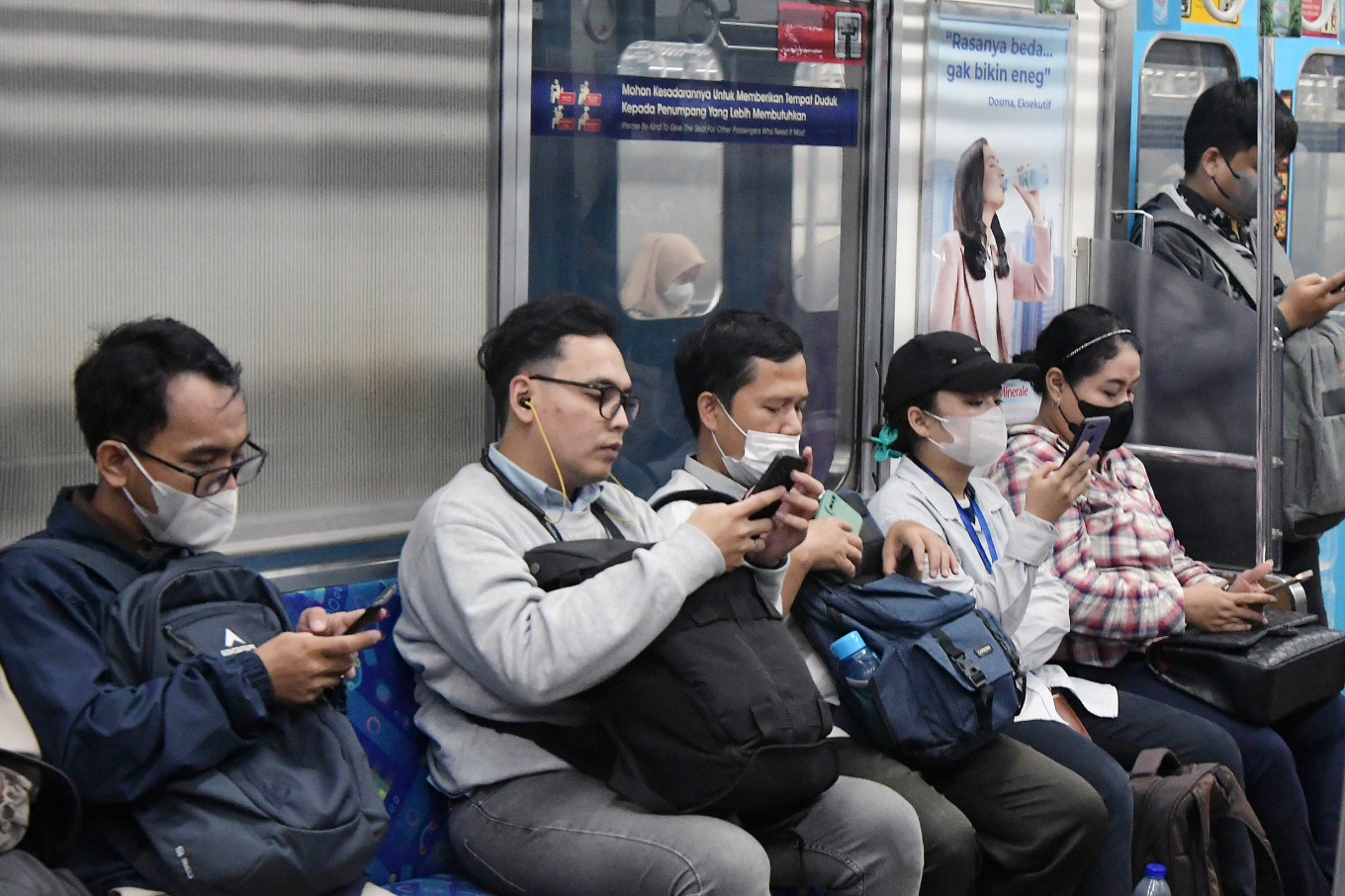
Business travel during flu season presents additional challenges for influenza prevention. Airports, airplanes, hotels, and conferences expose employees to large numbers of people and shared surfaces. Employers should encourage traveling employees to practice hand hygiene, stay hydrated, wear masks in crowded environments if necessary, and receive vaccinations before traveling. Virtual conferences and online meetings may also reduce unnecessary travel risks.
Certain industries require even stricter influenza prevention measures. Healthcare workers, retail employees, hospitality staff, and customer service workers interact closely with large numbers of people daily, increasing exposure risks. In these sectors, employers may implement additional protective measures such as mask use, health screenings, protective barriers, and enhanced sanitation procedures.
Small businesses and large corporations alike benefit from influenza prevention programs. While large companies may have more resources to implement wellness initiatives, even small businesses can encourage healthy habits through simple actions such as providing sanitizers, promoting vaccination, and supporting sick employees. Prevention efforts do not need to be expensive to be effective.
Technology has improved workplace health management in many ways. Digital health platforms, telemedicine services, online wellness programs, and employee communication systems allow organizations to provide health support efficiently. Some companies use mobile apps to track wellness activities, schedule vaccinations, or provide health education resources.
Public health agencies often collaborate with businesses during flu season by offering educational materials, vaccination support, and outbreak guidance. Cooperation between employers and health authorities strengthens community-wide influenza prevention efforts. Businesses that prioritize employee health contribute not only to their own success but also to broader public health protection.
Research consistently demonstrates that workplaces with strong influenza prevention programs experience lower absenteeism, higher productivity, and reduced healthcare costs. Employees also tend to feel more valued and supported when employers prioritize health and safety. Creating healthier workplaces improves morale, teamwork, and organizational resilience.
The lessons learned from global respiratory disease outbreaks, including the COVID-19 pandemic, have further highlighted the importance of workplace preparedness and infection prevention. Many organizations adopted improved hygiene practices, remote work technologies, ventilation upgrades, and health monitoring systems during the pandemic. These experiences continue to influence workplace health policies and strengthen influenza prevention strategies.
In conclusion, workplace influenza prevention requires a comprehensive approach that includes vaccination, hand hygiene, respiratory etiquette, environmental cleaning, ventilation, supportive sick leave policies, and employee education. Employers and employees share responsibility for creating safe and healthy work environments. By promoting wellness, encouraging responsible behaviors, and implementing effective prevention measures, workplaces can reduce influenza transmission, protect employee health, and maintain productivity during flu season.