Preventing Influenza in Schools
Schools are places where children and teenagers gather closely every day to learn, interact, and participate in various activities. While schools play an essential role in education and social development, they can also become environments where infectious diseases such as influenza spread rapidly. Influenza outbreaks in schools can affect hundreds of students, teachers, and staff members within a short period of time. Because children often interact closely with one another and may not consistently follow hygiene practices, schools require effective prevention strategies to reduce transmission and maintain healthy learning environments.
Influenza is a contagious respiratory illness caused by influenza viruses that spread mainly through droplets released when infected individuals cough, sneeze, laugh, or talk. Students can also become infected by touching contaminated surfaces such as desks, books, door handles, computers, and sports equipment before touching their eyes, nose, or mouth. Since schools involve shared spaces and close physical contact, preventing influenza requires cooperation between students, parents, teachers, administrators, and healthcare professionals.
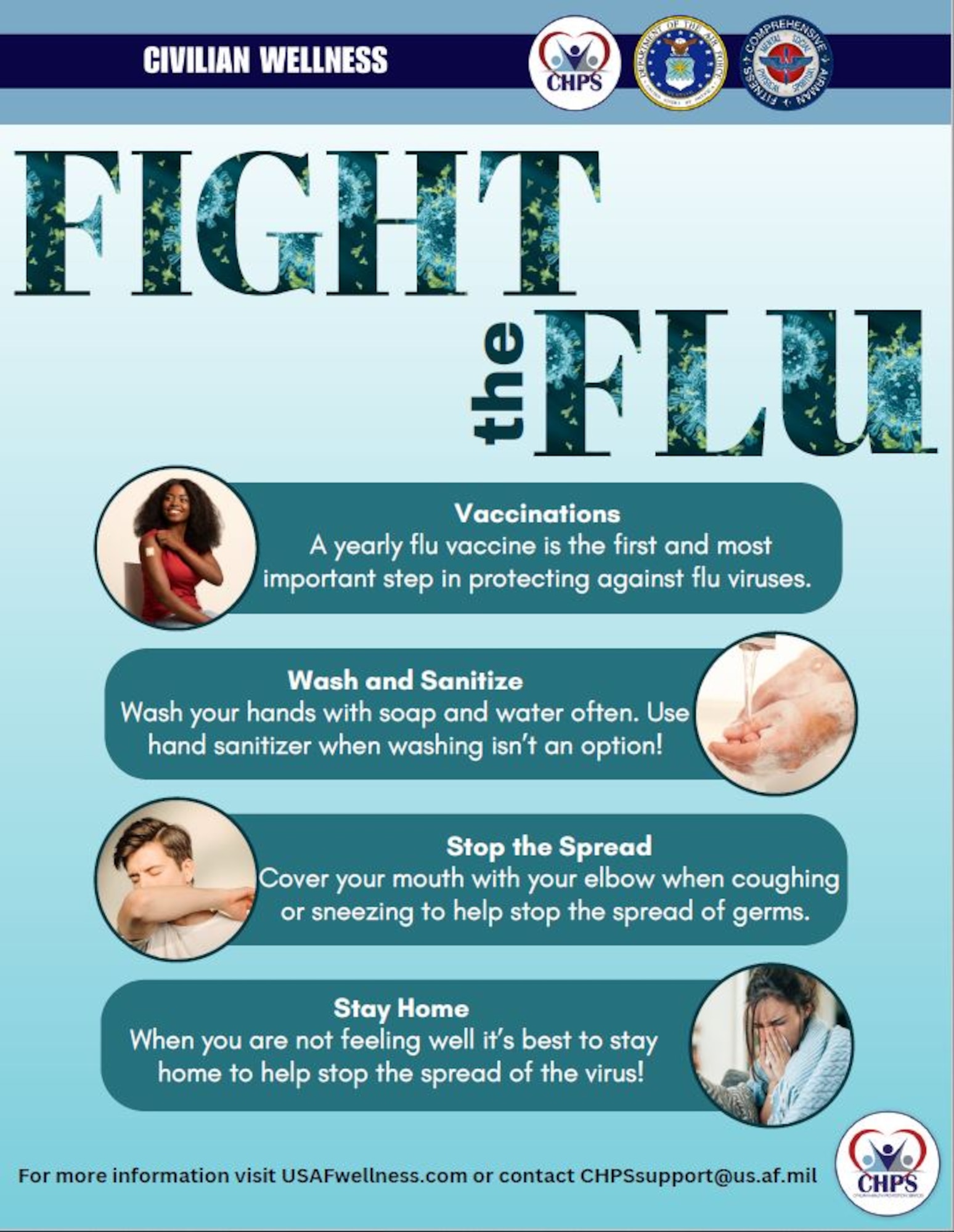
One of the most effective ways to prevent influenza in schools is annual vaccination. Health experts strongly recommend flu vaccines for school-aged children because children are among the groups most likely to spread influenza viruses. Vaccinated students are less likely to become infected and transmit the virus to classmates, teachers, and family members. In addition, vaccinated children who do contract influenza often experience milder symptoms and recover more quickly.
Schools can support vaccination efforts by organizing educational campaigns about the importance of flu vaccines. Some schools cooperate with healthcare providers or local health departments to offer on-site vaccination programs for students and staff. Providing accurate information helps reduce fears and misconceptions about vaccines among parents and students. Encouraging high vaccination rates creates safer school environments and helps reduce large outbreaks during flu season.
Hand hygiene is another critical component of influenza prevention in schools. Students frequently touch shared objects and surfaces throughout the day, increasing opportunities for virus transmission. Teaching children proper handwashing techniques can significantly reduce the spread of influenza and other infectious diseases. Students should be encouraged to wash their hands regularly with soap and water for at least twenty seconds, especially before eating, after using the restroom, after coughing or sneezing, and after participating in outdoor activities.
Schools should provide accessible handwashing facilities equipped with soap, clean water, and paper towels. In areas where sinks are unavailable, alcohol-based hand sanitizers can serve as useful alternatives. Teachers and staff members can remind students about hygiene practices regularly and encourage handwashing as part of daily routines. Educational posters placed in classrooms, hallways, and cafeterias also help reinforce healthy behaviors.
Respiratory etiquette is equally important in preventing influenza transmission. Students should learn to cover their mouths and noses with tissues or their elbows when coughing or sneezing. Used tissues should be disposed of immediately, and hands should be cleaned afterward. Unfortunately, many children cough or sneeze openly without covering their faces, allowing respiratory droplets to spread easily in classrooms. Consistent reminders and positive reinforcement can help students develop better habits over time.
Cleaning and disinfecting school environments regularly is another essential prevention strategy. Influenza viruses can survive on surfaces for several hours, especially on hard materials such as plastic and metal. School staff should clean frequently touched surfaces such as desks, chairs, keyboards, door handles, light switches, cafeteria tables, and sports equipment regularly during flu season. Proper sanitation reduces the risk of indirect virus transmission among students and staff.
Improving ventilation within classrooms and school buildings can also help reduce influenza spread. Poor air circulation may increase the concentration of respiratory droplets indoors, especially in crowded classrooms. Opening windows, using ventilation systems, and maintaining proper airflow can improve indoor air quality and lower transmission risks. Some schools may use air filtration systems to support healthier environments during flu season.
Another important preventive measure is encouraging students and staff to stay home when they are sick. Many influenza outbreaks worsen because infected individuals continue attending school while experiencing symptoms such as fever, coughing, sore throat, fatigue, or body aches. Sick students can unintentionally infect classmates and teachers, causing wider outbreaks throughout the school community.
Schools should establish clear policies that encourage sick individuals to remain at home until they recover fully. Parents should monitor children for flu symptoms and avoid sending them to school if they appear unwell. Teachers and staff members should also have access to supportive sick leave policies so they can recover without fear of penalties or workload concerns. Preventing one infected person from attending school can reduce the spread of influenza significantly.
Health education plays a major role in influenza prevention. Schools can incorporate lessons about hygiene, nutrition, vaccination, and healthy lifestyles into health education programs. Teaching students how viruses spread and how preventive measures work empowers them to make healthier choices. Interactive activities, videos, workshops, and school campaigns can make health education more engaging and memorable for children and teenagers.
Nutrition also contributes to stronger immunity among students. Schools that provide healthy meal programs support better physical health and disease resistance. Nutritious foods rich in vitamins, minerals, and proteins help strengthen the immune system and improve students’ ability to fight infections. Encouraging healthy eating habits both at school and at home creates long-term health benefits.
Adequate sleep is another important factor in maintaining student health. Children and teenagers who do not get enough sleep may experience weakened immunity, reduced concentration, and higher susceptibility to illness. Parents and schools should promote healthy sleep habits by encouraging consistent bedtime routines and reducing excessive academic or screen-related stress.
Physical activity supports overall wellness and may help improve immune function. Schools can encourage exercise through sports, physical education classes, and outdoor activities. Regular movement improves circulation, reduces stress, and contributes to healthier bodies. However, students who feel sick should avoid strenuous physical activities until they recover completely.
Mental health should not be overlooked during influenza prevention efforts. Fear of illness, social isolation during outbreaks, and academic stress can affect emotional well-being. Schools can support students by providing counseling services, promoting positive communication, and creating supportive environments. Emotional wellness contributes to stronger overall health and resilience.
Parents play a crucial role in preventing influenza in schools. Families should ensure children receive annual vaccinations, practice hygiene at home, eat nutritious meals, and get enough rest. Parents should also teach children healthy habits such as regular handwashing and proper coughing etiquette. Communication between schools and families helps ensure consistent prevention strategies both at school and at home.
Technology can assist schools in managing influenza prevention more effectively. Schools may use digital communication platforms to provide health updates, notify parents about outbreaks, and share prevention guidelines. Online learning systems can also support educational continuity if students need to stay home during illness or outbreaks.
Public health authorities often cooperate with schools during flu season by providing educational resources, vaccination support, and outbreak monitoring. In severe situations, temporary school closures may be considered to limit transmission and protect public health. Early intervention and strong coordination between schools and health officials are essential for effective outbreak management.
Research consistently shows that schools implementing strong hygiene and prevention programs experience fewer influenza cases and reduced absenteeism. Prevention strategies not only protect physical health but also improve academic continuity by reducing disruptions caused by illness. Healthy students are better able to focus, participate, and succeed academically.
Influenza prevention in schools became even more important following global experiences with respiratory disease outbreaks such as the COVID-19 pandemic. Many schools adopted improved hygiene protocols, mask policies, ventilation systems, and remote learning technologies during that period. These experiences highlighted the importance of preparedness and public health awareness within educational settings.
In conclusion, preventing influenza in schools requires a comprehensive approach involving vaccination, hand hygiene, respiratory etiquette, environmental cleaning, ventilation, health education, and responsible behavior. Schools, families, healthcare providers, and communities must work together to create safe learning environments that protect students and staff from influenza transmission. By promoting healthy habits and supporting preventive measures, schools can reduce outbreaks, improve student well-being, and maintain productive educational environments throughout flu season.