The Importance of Wearing Masks During Flu Season
Influenza, commonly known as the flu, is a contagious respiratory illness that spreads rapidly during seasonal outbreaks. Every year, millions of people around the world become infected with influenza viruses, leading to illness, hospitalization, and in severe cases, death. Because influenza spreads mainly through respiratory droplets released when infected individuals cough, sneeze, talk, or breathe heavily, wearing masks has become one of the most effective preventive measures during flu season. Masks help reduce the transmission of viruses in public spaces, workplaces, schools, healthcare settings, and crowded environments.
The use of masks in preventing respiratory diseases gained significant global attention during the COVID-19 pandemic, but masks have long been recognized as valuable tools for influenza prevention as well. Influenza viruses can spread quickly in crowded places where people are in close contact with one another. Infected individuals may release respiratory droplets into the air even before they realize they are sick. Since some people experience mild symptoms or remain unaware of their infection, masks provide an additional layer of protection for both the wearer and the surrounding community.
Masks work primarily by blocking respiratory droplets that may contain influenza viruses. When an infected person coughs, sneezes, or talks, tiny droplets carrying viruses can travel through the air and land on nearby people or surfaces. A properly worn mask reduces the number of droplets released into the environment. At the same time, masks may help reduce the amount of virus inhaled by healthy individuals, especially in indoor or crowded spaces.
There are several different types of masks used for influenza prevention. Medical or surgical masks are among the most common and are designed to block large respiratory droplets. These masks are widely used in hospitals, clinics, and public spaces during flu season. High-filtration respirators, such as N95 masks, provide stronger protection by filtering smaller airborne particles more effectively. Cloth masks may also provide some protection, although their effectiveness depends on the material, fit, and number of layers used.
Healthcare workers often rely on masks as part of standard infection prevention procedures. Doctors, nurses, and medical staff regularly interact with patients who may carry infectious diseases, including influenza. Wearing masks helps protect healthcare workers from infection while also preventing the spread of viruses to vulnerable patients. Hospitals and clinics often require masks during flu season to reduce healthcare-associated infections and maintain safer medical environments.
Masks are especially important for individuals who are already experiencing flu symptoms. People who cough or sneeze while wearing masks are less likely to spread infectious droplets into the surrounding environment. This concept, known as source control, plays a major role in reducing transmission within communities. If sick individuals wear masks while in public or around family members, the risk of infecting others decreases significantly.
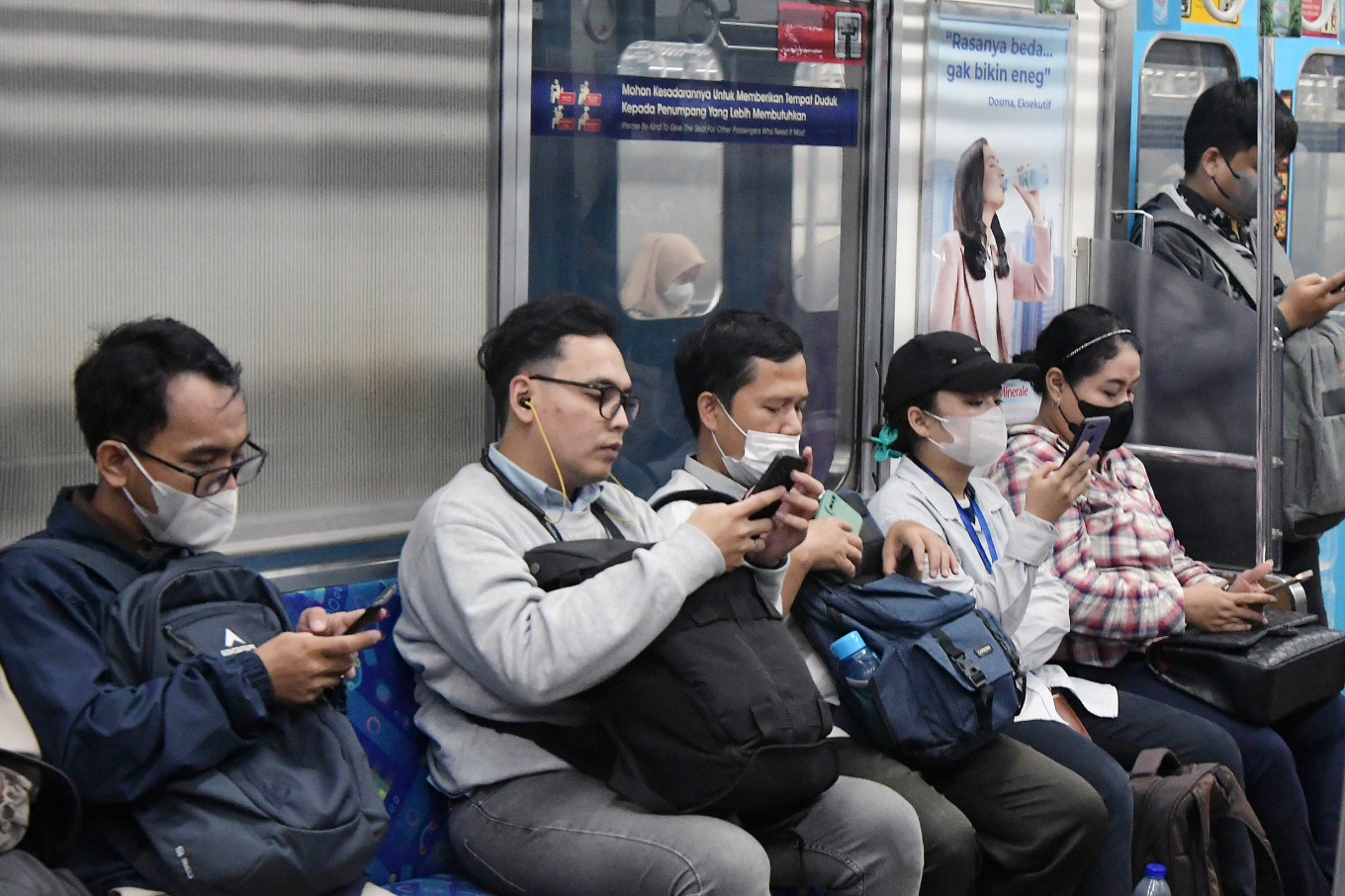
Public transportation systems are another environment where masks can be highly beneficial during flu season. Buses, trains, airplanes, and subway systems often involve crowded indoor conditions where respiratory viruses spread easily. Wearing masks while traveling helps reduce exposure to influenza viruses and provides additional protection during close interactions with others.
Schools and universities may also encourage mask use during periods of high influenza activity. Students spend long hours together in classrooms, cafeterias, and dormitories, creating opportunities for rapid virus transmission. In situations where flu outbreaks occur, temporary mask recommendations can help reduce the spread of illness and protect students and staff.
Workplaces benefit from mask use as well, especially in industries involving close contact with customers or coworkers. Retail employees, restaurant workers, office staff, and factory workers may interact with many individuals throughout the day. Wearing masks during flu season can help reduce workplace outbreaks and maintain healthier environments for employees and customers alike.
One important factor influencing mask effectiveness is proper usage. Masks should fully cover both the nose and mouth to provide adequate protection. A mask worn below the nose or loosely around the face becomes far less effective. Hands should be cleaned before putting on or removing masks because touching contaminated surfaces may transfer viruses onto the mask itself.
Disposable masks should not be reused excessively because moisture and contamination can reduce their effectiveness over time. Reusable cloth masks should be washed regularly using soap and water. Proper mask hygiene ensures continued protection and reduces the risk of contamination.
Despite their benefits, masks are sometimes misunderstood or resisted by certain individuals. Some people believe masks are uncomfortable or unnecessary, especially if they feel healthy. However, influenza can spread even before symptoms appear, meaning apparently healthy individuals may still transmit the virus unknowingly. Wearing masks during periods of high flu activity helps protect not only the individual but also vulnerable members of society.
Masks are especially important for high-risk groups such as older adults, pregnant women, individuals with chronic diseases, and people with weakened immune systems. These populations face greater risks of severe influenza complications, including pneumonia and hospitalization. Wearing masks in crowded public settings may provide valuable additional protection for these vulnerable individuals.
Cultural attitudes toward masks vary around the world. In some countries, wearing masks during illness or flu season has long been considered a normal and respectful practice. People wear masks not only to protect themselves but also to avoid spreading illness to others. In other regions, mask use became more common only after global respiratory disease outbreaks highlighted their importance.
Scientific research has demonstrated that masks can reduce the spread of respiratory viruses when used correctly and consistently. Studies show that communities adopting mask use alongside vaccination, hand hygiene, and physical distancing often experience lower transmission rates during outbreaks. While masks alone cannot completely eliminate influenza risk, they are most effective when combined with other preventive measures.
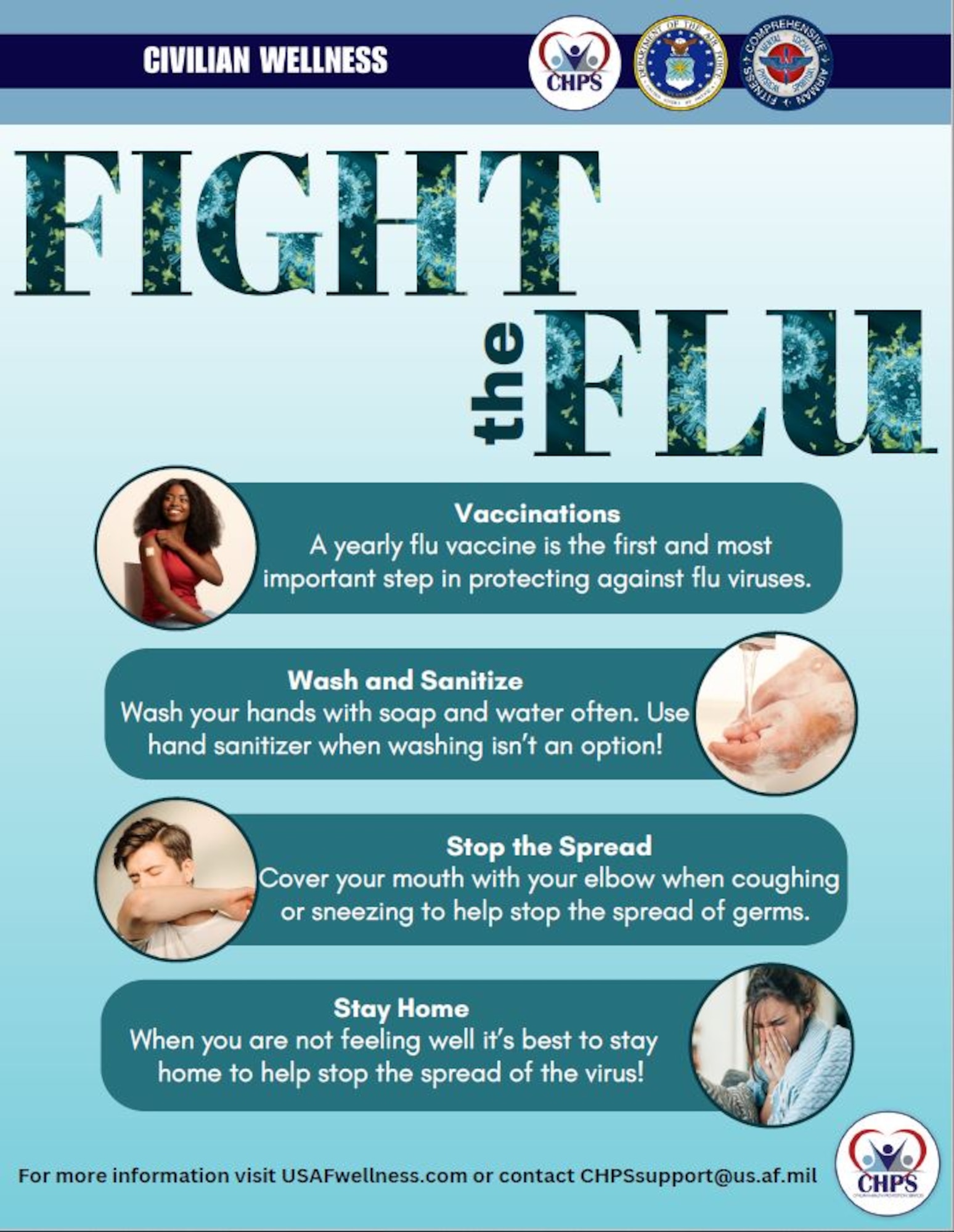
Masks should not replace vaccination, which remains one of the most effective tools against influenza. Instead, masks serve as an additional layer of protection, particularly during peak flu seasons or in high-risk environments. Combining vaccination, handwashing, respiratory etiquette, healthy lifestyles, and mask use creates a more comprehensive influenza prevention strategy.
Children may also benefit from mask use during severe flu outbreaks, particularly in crowded school environments. However, younger children may require guidance from parents and teachers to wear masks correctly and comfortably. Educational programs can help children understand the purpose of masks and encourage positive attitudes toward health protection.
Technology and innovation continue to improve mask design and comfort. Modern masks are available in various styles, materials, and filtration levels to suit different needs. Some masks include adjustable straps, breathable fabrics, or transparent panels to improve communication. Researchers continue developing more efficient protective equipment for public and healthcare use.
Environmental concerns related to disposable masks have also become important discussions. Improper disposal of masks may contribute to pollution and environmental waste. Encouraging responsible disposal and promoting reusable mask options where appropriate can help reduce environmental impacts while maintaining health protection.
Public health campaigns often encourage mask use during influenza outbreaks, especially in healthcare settings and crowded areas. Governments and health organizations provide guidelines about when masks are recommended and how they should be worn correctly. Clear communication and public education help increase understanding and encourage responsible health behaviors.
The experience of global pandemics has strengthened awareness of respiratory disease prevention worldwide. Many people have become more familiar with masks and their role in reducing virus transmission. This increased awareness may continue influencing influenza prevention habits in the future, especially during severe flu seasons.
Families can also use masks at home when caring for sick relatives. If one family member develops influenza symptoms, wearing masks in shared spaces may help protect others in the household. Combined with good ventilation, hygiene, and surface cleaning, mask use can reduce household transmission significantly.
Influenza prevention is ultimately a shared responsibility involving individuals, families, schools, workplaces, healthcare systems, and communities. Masks provide a simple yet effective tool for reducing virus spread and protecting public health. Their effectiveness increases when people use them correctly and consistently during periods of increased influenza activity.
In conclusion, wearing masks during flu season is an important strategy for reducing influenza transmission and protecting both individuals and communities. Masks help block respiratory droplets, reduce exposure to viruses, and provide additional protection in crowded or high-risk environments. When combined with vaccination, hand hygiene, healthy lifestyles, and responsible behavior, mask use contributes significantly to influenza prevention efforts. By understanding the importance of masks and using them properly, people can help create safer and healthier environments during flu season.