Understanding Influenza Symptoms and Early Prevention
Influenza, commonly referred to as the flu, is a contagious respiratory illness caused by influenza viruses. Every year, seasonal influenza affects millions of people worldwide, leading to widespread illness, school absences, reduced workplace productivity, and increased hospitalizations. While many individuals recover within a few days or weeks, influenza can sometimes lead to serious complications, especially among vulnerable groups such as young children, older adults, pregnant women, and people with chronic health conditions. Understanding the symptoms of influenza and taking early preventive actions are essential steps in reducing transmission and protecting public health.
One of the biggest challenges with influenza is that its symptoms often resemble those of other respiratory illnesses, including the common cold. However, influenza symptoms usually appear suddenly and tend to be more severe. Recognizing these symptoms early allows individuals to seek appropriate care, avoid spreading the virus to others, and begin preventive measures as soon as possible.
The most common symptom of influenza is fever. Many infected individuals experience a sudden rise in body temperature, often accompanied by chills and sweating. Fever is the body’s natural response to infection and signals that the immune system is actively fighting the virus. Although not everyone with influenza develops a fever, it remains one of the most recognizable symptoms.
Another major symptom is coughing, which may begin as mild irritation but can become persistent and uncomfortable. Influenza-related coughs are often dry and may continue even after other symptoms improve. Sore throat is also common and may cause pain or difficulty when swallowing. Together, coughing and sore throat contribute to the spread of respiratory droplets carrying the virus.
Body aches and muscle pain are particularly associated with influenza. Many people report feeling pain in their back, arms, legs, or joints during infection. Fatigue and extreme tiredness are also frequent symptoms. Unlike ordinary tiredness, influenza-related fatigue can be intense enough to interfere with daily activities and may continue for several days or weeks.
Headaches are another common symptom and may range from mild discomfort to severe pain. Some individuals also experience nasal congestion, runny nose, or sneezing, although these symptoms are often more prominent in common colds than in influenza. In some cases, influenza may cause gastrointestinal symptoms such as nausea, vomiting, or diarrhea, especially in children.
Recognizing symptoms early is extremely important because influenza spreads rapidly during the first few days of illness. Infected individuals can spread the virus to others even before symptoms appear. This means people may unknowingly infect coworkers, classmates, family members, or friends before realizing they are sick. Once symptoms begin, taking immediate preventive action can significantly reduce transmission.
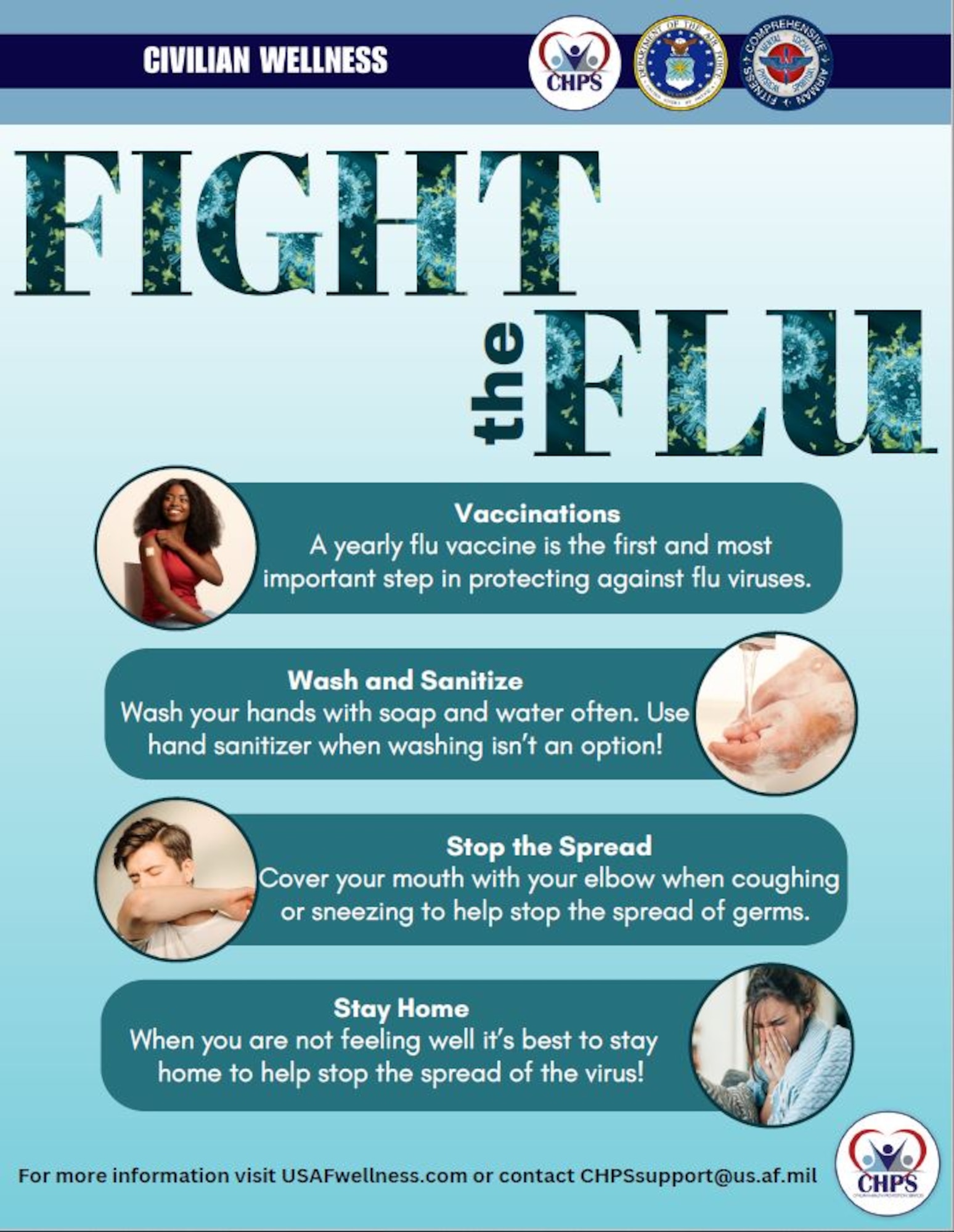
One of the first and most important steps is staying home. Many people continue attending work, school, or social gatherings despite feeling ill, which increases the risk of spreading influenza to others. Resting at home not only supports faster recovery but also protects the community from further infection. Health experts generally recommend remaining at home until fever has disappeared for at least twenty-four hours without the use of fever-reducing medication.
Seeking medical advice may be necessary for individuals at high risk of complications. Older adults, young children, pregnant women, and people with chronic diseases should contact healthcare providers if influenza symptoms appear. Early medical attention can help prevent complications and ensure appropriate treatment.
In some cases, healthcare providers may prescribe antiviral medications such as oseltamivir or zanamivir. These medications work best when taken within the first forty-eight hours after symptoms begin. Antiviral drugs can reduce the severity and duration of illness and lower the risk of complications, especially in high-risk patients. However, they are not substitutes for vaccination or preventive health measures.
Hydration is another critical factor during influenza recovery. Fever and sweating may lead to dehydration, making symptoms worse and slowing recovery. Drinking enough water, herbal teas, soups, or electrolyte-rich fluids helps maintain hydration and supports the body’s healing process. Avoiding excessive caffeine and alcohol is also recommended because these substances may contribute to dehydration.
Adequate rest is essential when recovering from influenza. The immune system requires energy to fight infection effectively, and physical activity during illness may place additional stress on the body. Getting enough sleep and avoiding strenuous activities support faster recovery and reduce the risk of complications.
Nutrition also plays an important role in recovery and prevention. Eating balanced meals rich in vitamins, minerals, and proteins helps strengthen the immune system. Fruits, vegetables, lean proteins, and whole grains provide nutrients needed for tissue repair and immune function. Some people may lose appetite during illness, but maintaining proper nutrition remains important for recovery.
Good hygiene practices become especially important when someone develops influenza symptoms. Frequent handwashing with soap and water helps reduce virus transmission. Individuals should also avoid touching their eyes, nose, and mouth because these areas provide entry points for viruses. Alcohol-based hand sanitizers can be useful when handwashing facilities are unavailable.
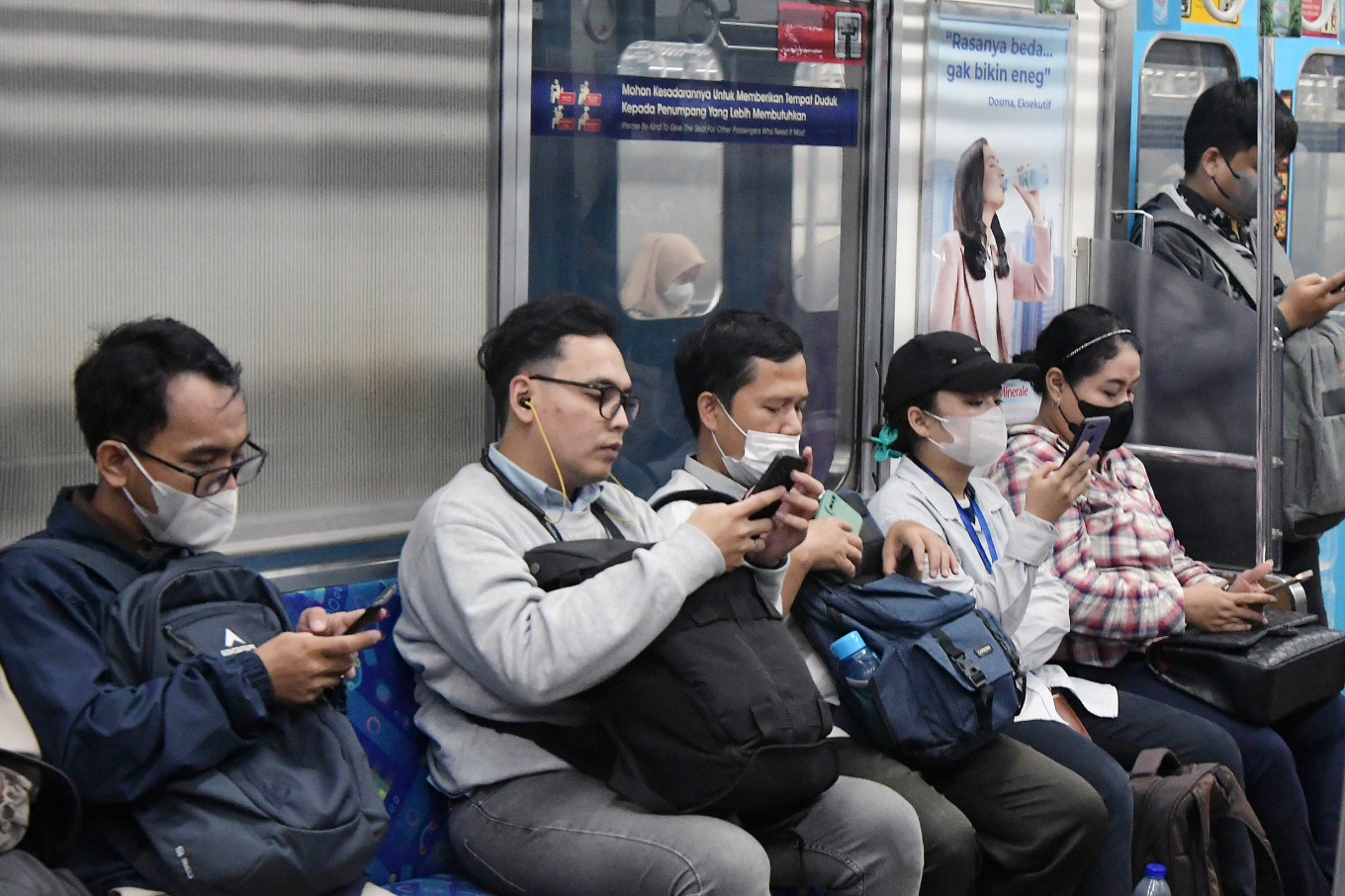
Respiratory etiquette is another key preventive measure. People with influenza symptoms should cover coughs and sneezes using tissues or their elbows rather than their hands. Used tissues should be disposed of immediately, followed by handwashing. Wearing masks while around others can also help reduce the spread of respiratory droplets carrying the virus.
Cleaning and disinfecting frequently touched surfaces is important in households and workplaces where someone has influenza. Viruses can survive on surfaces such as phones, keyboards, doorknobs, remote controls, and tables for several hours. Regular cleaning helps reduce the risk of indirect transmission to others.
Influenza prevention should begin even before symptoms appear. Annual flu vaccination remains one of the most effective methods for reducing influenza infections and severe illness. Vaccines stimulate the immune system to recognize and fight influenza viruses more effectively. Vaccinated individuals who still become infected often experience milder symptoms and shorter recovery times.
Maintaining a healthy lifestyle also strengthens the body’s ability to resist infections. Regular exercise, adequate sleep, balanced nutrition, hydration, and stress management all support immune health. Individuals who maintain healthy habits may be less likely to develop severe influenza symptoms when exposed to the virus.
Schools and workplaces play important roles in promoting early prevention strategies. Educational programs can help students and employees recognize influenza symptoms and understand when to stay home. Supportive policies encouraging sick individuals to recover at home help reduce outbreaks and protect larger communities.
Parents should monitor children carefully during flu season because children may not always communicate symptoms clearly. Signs such as unusual tiredness, reduced appetite, fever, irritability, or coughing may indicate influenza infection. Parents should seek medical attention if children experience difficulty breathing, persistent high fever, dehydration, or worsening symptoms.
Older adults should also pay close attention to influenza symptoms because complications may develop more rapidly in elderly individuals. Sometimes older adults may not develop high fever despite serious infection, making diagnosis more difficult. Caregivers and family members should monitor elderly relatives carefully during flu season.
Technology has improved influenza awareness and prevention in recent years. Health organizations use websites, mobile apps, and social media to provide updates about flu activity, prevention guidelines, and vaccination campaigns. Telemedicine services allow individuals to consult healthcare professionals without exposing others to infection in waiting rooms or clinics.
Public health campaigns around the world emphasize the importance of recognizing symptoms early and taking preventive actions. Community awareness reduces transmission and encourages responsible health behaviors. During severe flu seasons, governments may issue recommendations regarding vaccination, mask use, and public gatherings to protect public health.
Research continues to improve understanding of influenza symptoms and treatment methods. Scientists study how influenza viruses evolve, how symptoms vary among individuals, and how early interventions can reduce complications. Ongoing research contributes to better vaccines, antiviral medications, and public health strategies.
Influenza prevention is ultimately a shared responsibility. Individuals who recognize symptoms early and take appropriate actions help protect family members, coworkers, classmates, and vulnerable populations. Responsible behavior during illness contributes significantly to reducing outbreaks and improving community health outcomes.
In conclusion, understanding influenza symptoms and responding quickly are essential parts of influenza prevention. Recognizing signs such as fever, cough, fatigue, body aches, and sore throat allows individuals to seek treatment early and avoid spreading the virus to others. Staying home when sick, practicing good hygiene, maintaining healthy habits, and receiving annual vaccinations all contribute to reducing influenza transmission. Through awareness, responsibility, and preventive action, communities can better protect themselves from the harmful effects of seasonal influenza.