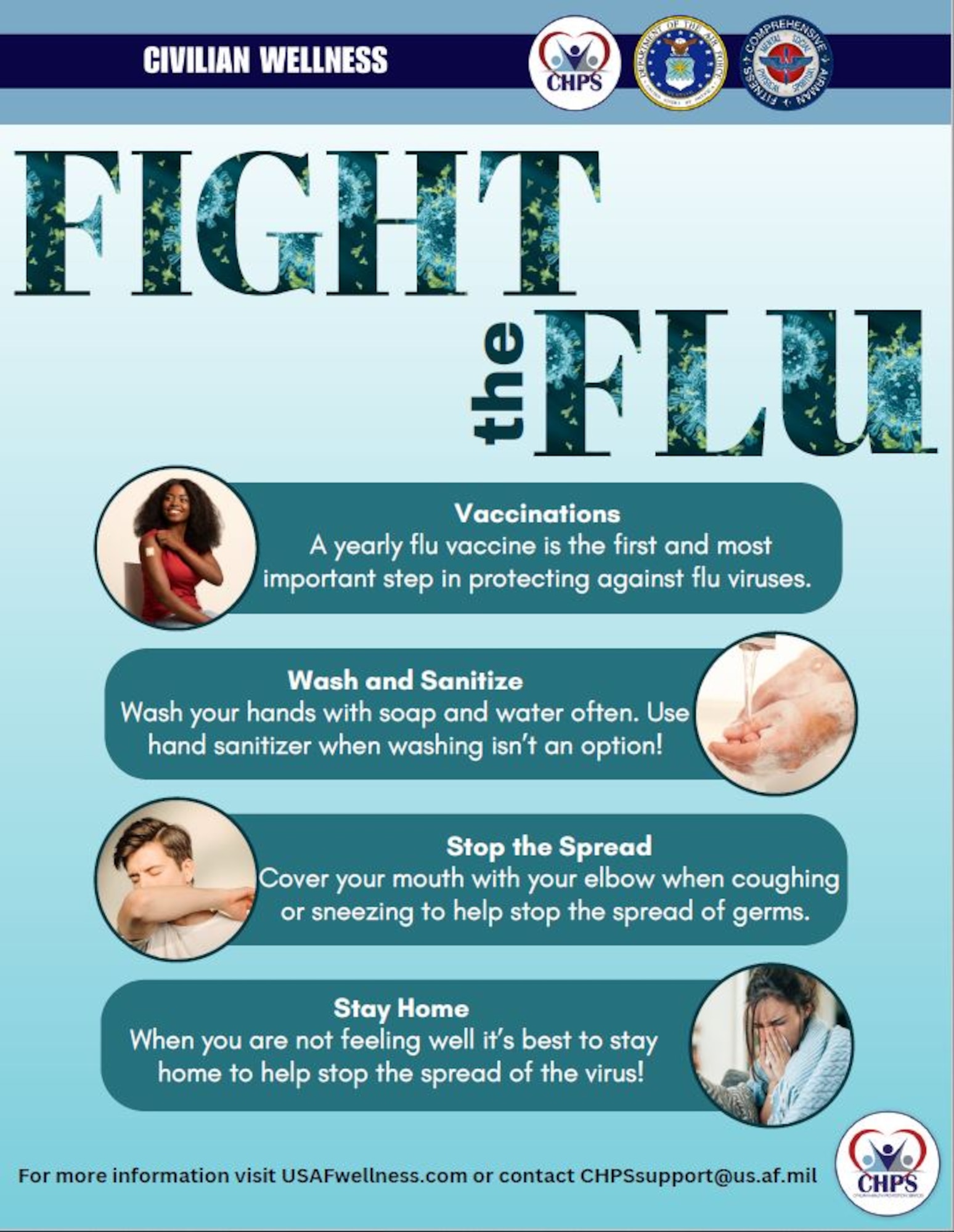
Nutrition and Influenza Prevention
Nutrition plays a fundamental role in strengthening the immune system and reducing the risk of influenza infection. While influenza is caused by viruses that spread through respiratory droplets and contaminated surfaces, the body’s ability to resist and recover from infection is strongly influenced by the quality of daily food intake. A well-balanced diet supports immune function, helps maintain healthy tissues, and improves the body’s response to viral infections. Because of this, proper nutrition is an essential component of influenza prevention strategies.
The immune system relies on a steady supply of nutrients to function effectively. Vitamins, minerals, proteins, healthy fats, and carbohydrates all contribute to different aspects of immune defense. When the body lacks essential nutrients, immune responses may weaken, making individuals more vulnerable to infections such as influenza. On the other hand, a nutrient-rich diet helps the body respond more efficiently to viral exposure.
Fruits and vegetables are among the most important food groups for supporting immune health. They contain vitamins, minerals, antioxidants, and fiber that help protect cells from damage and support immune function. Vitamin C, found in citrus fruits such as oranges, lemons, limes, and grapefruits, plays a key role in supporting immune cell activity. It helps stimulate the production of white blood cells, which are essential for fighting infections.
Other fruits such as strawberries, kiwis, papayas, and guavas are also rich in vitamin C and antioxidants. Vegetables like spinach, broccoli, carrots, and bell peppers provide a wide range of nutrients that help maintain overall health. Regular consumption of a variety of colorful fruits and vegetables ensures that the body receives diverse nutrients needed for strong immune defense.
Protein is another essential nutrient in influenza prevention. The body uses protein to build and repair tissues and to produce antibodies that fight infections. Without adequate protein intake, the immune system may become less effective. Healthy protein sources include fish, poultry, eggs, beans, lentils, tofu, and dairy products. Omega-3-rich fish such as salmon and sardines also have anti-inflammatory properties that support immune health.
Zinc is a mineral that plays an important role in immune function. It helps regulate immune responses and supports the development of immune cells. Zinc deficiency has been associated with increased susceptibility to infections, including respiratory illnesses. Foods rich in zinc include meat, shellfish, nuts, seeds, whole grains, and legumes. Including these foods in the diet helps strengthen the body’s defense mechanisms.
Vitamin D is another important nutrient linked to immune health. It helps regulate immune responses and may reduce the risk of respiratory infections. Sunlight exposure is a natural source of vitamin D, while dietary sources include fortified milk, eggs, and fatty fish. In areas with limited sunlight, supplementation may be recommended by healthcare professionals.
Hydration is also essential for maintaining a healthy immune system. Water helps transport nutrients throughout the body, regulate temperature, and support the function of organs and tissues. Proper hydration keeps mucous membranes in the respiratory tract moist, which helps trap and remove pathogens such as influenza viruses. Dehydration, on the other hand, can weaken physical performance and impair immune responses.
Healthy fats also contribute to immune health. Omega-3 fatty acids, found in fish, flaxseeds, chia seeds, and walnuts, have anti-inflammatory effects that may help the body respond more effectively to infections. These fats support cell structure and overall health, making them an important part of a balanced diet.
Whole grains such as brown rice, oats, quinoa, and whole wheat provide energy and essential nutrients that support overall well-being. They also contain fiber, which supports gut health. A healthy gut microbiome plays an important role in immune function, as a large portion of the immune system is located in the digestive tract.
On the other hand, poor dietary habits can weaken immune defenses. Diets high in sugar, processed foods, and unhealthy fats may increase inflammation in the body and reduce immune efficiency. Excessive sugar intake can temporarily suppress immune function, making it easier for viruses like influenza to infect the body. Therefore, limiting processed and sugary foods is an important step in influenza prevention.
Meal timing and regular eating patterns also influence health. Skipping meals or maintaining irregular eating habits may lead to nutrient deficiencies and reduced energy levels. Consistent, balanced meals help maintain stable energy and support immune function throughout the day.
During influenza infection or recovery, nutrition becomes even more important. The body requires additional nutrients to fight infection and repair tissues. Light, nutrient-rich meals such as soups, broths, fruits, and vegetables can help maintain energy and hydration. Foods that are easy to digest are often recommended for individuals experiencing flu symptoms such as nausea or fatigue.
In addition to individual dietary habits, community nutrition programs can play a role in influenza prevention. Schools, workplaces, and public health organizations may promote healthy eating through meal programs, educational campaigns, and nutritional guidelines. These initiatives help raise awareness of the connection between diet and immune health.
Parents also play a crucial role in shaping children’s eating habits. Encouraging children to consume fruits, vegetables, and balanced meals helps build strong immune systems from an early age. Healthy eating habits developed during childhood often continue into adulthood, providing long-term health benefits.
Technology and information access have also made it easier for people to learn about nutrition and health. Mobile apps, online resources, and health platforms provide dietary recommendations, meal planning tools, and nutritional tracking features. These tools help individuals make informed choices about their diets and improve overall health outcomes.
Scientific research continues to explore the relationship between nutrition and influenza prevention. Studies suggest that individuals with well-balanced diets tend to experience fewer respiratory infections and recover more quickly when illness occurs. While nutrition alone cannot completely prevent influenza, it significantly strengthens the body’s ability to resist infection.
In conclusion, nutrition is a vital component of influenza prevention. A balanced diet rich in fruits, vegetables, proteins, vitamins, minerals, and healthy fats supports immune function and enhances the body’s ability to fight infections. Proper hydration, reduced consumption of processed foods, and consistent eating habits all contribute to better health outcomes. When combined with vaccination, hygiene practices, and healthy lifestyles, good nutrition forms a strong foundation for protecting against influenza and maintaining overall well-being.