Community Responsibility in Influenza Prevention
Influenza prevention is not only an individual responsibility but also a shared duty within communities. Because influenza is a contagious respiratory disease that spreads quickly through populations, one person’s behavior can significantly influence the health of many others. Every year, seasonal influenza causes widespread illness across cities, schools, workplaces, and public spaces. This makes community-level cooperation essential in reducing transmission, protecting vulnerable groups, and minimizing the overall impact of flu outbreaks.
Influenza spreads through respiratory droplets released when infected individuals cough, sneeze, talk, or breathe. It can also spread indirectly through contaminated surfaces such as door handles, public transportation seats, shared equipment, and everyday objects. In densely populated areas, the virus can move rapidly from person to person, especially when preventive measures are not consistently followed. Because of this, communities play a critical role in controlling the spread of influenza.
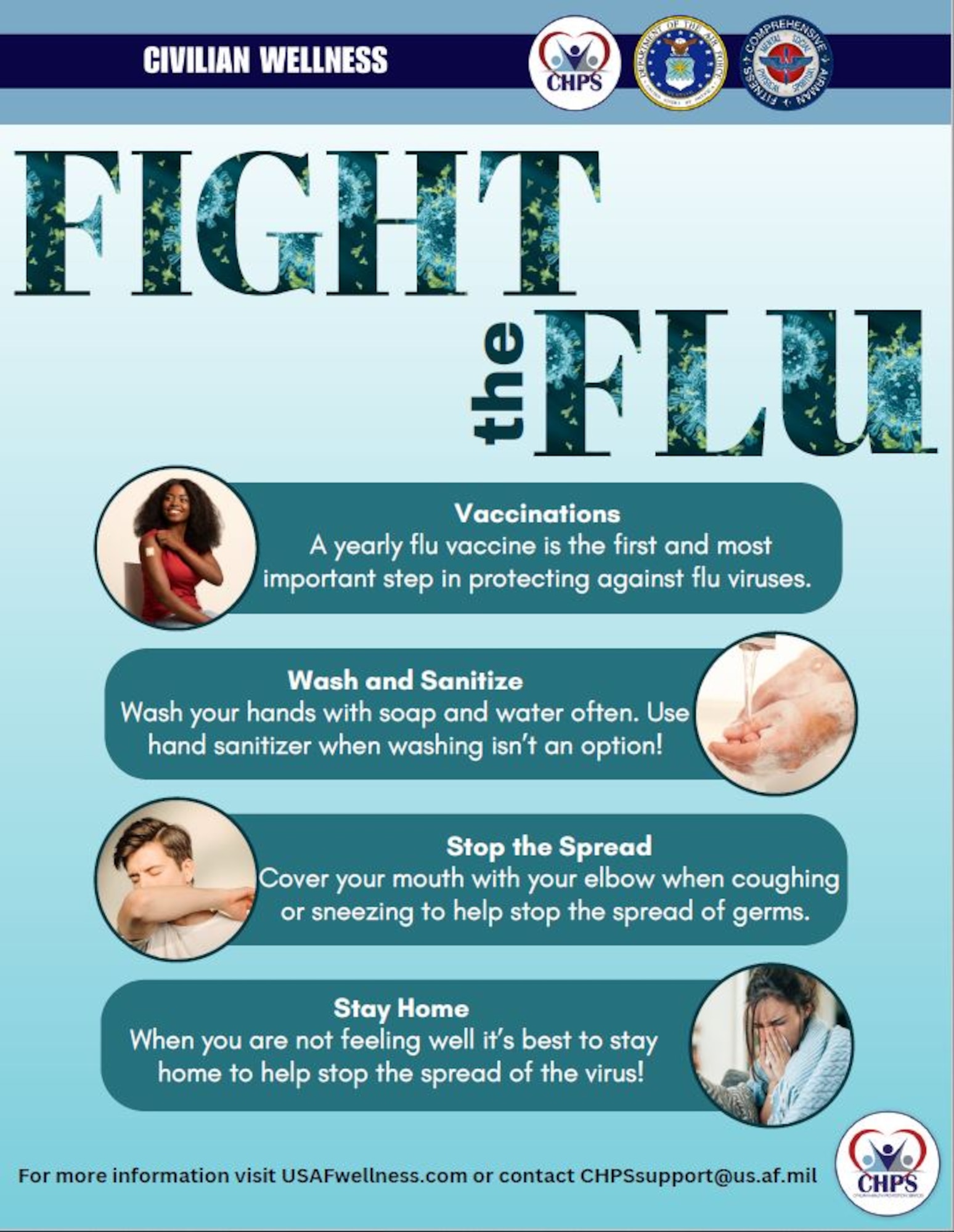
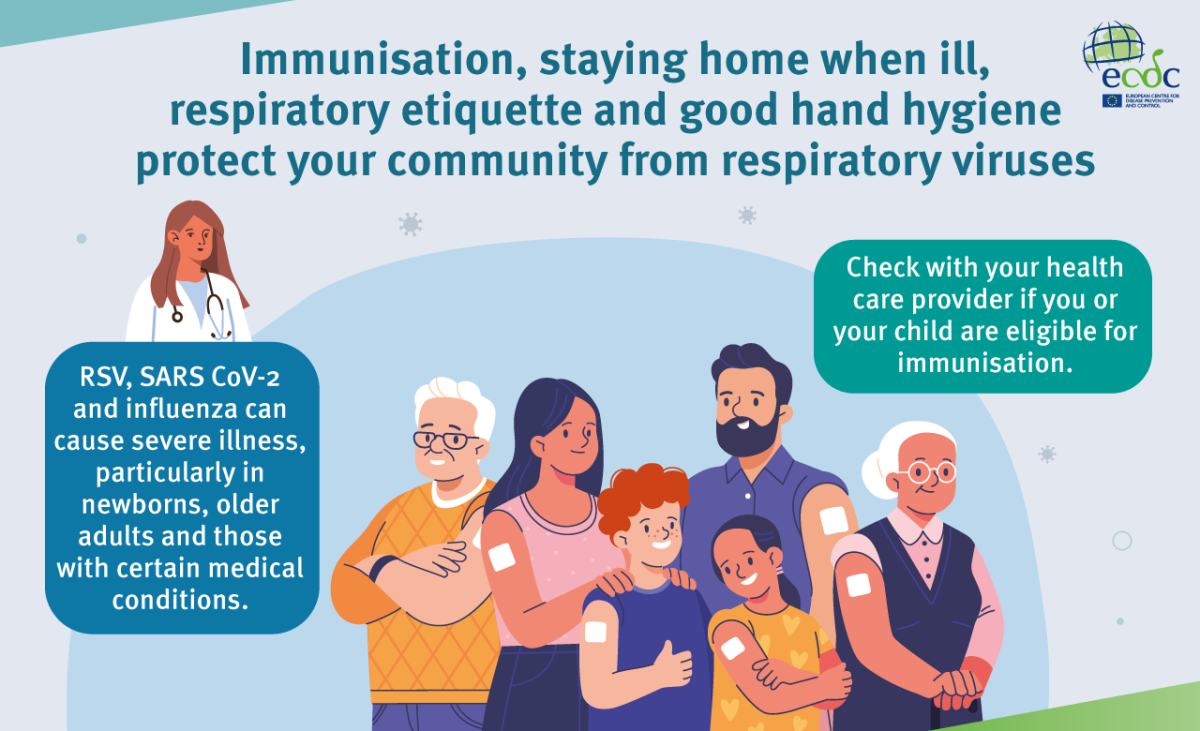
One of the most important elements of community responsibility is vaccination. When a large proportion of the population receives the influenza vaccine, the overall spread of the virus is significantly reduced. This concept is known as herd immunity, where even individuals who cannot receive vaccines—such as newborns, elderly people with certain conditions, or individuals with weakened immune systems—gain indirect protection. High vaccination coverage helps prevent large outbreaks and reduces pressure on healthcare systems.
Community vaccination programs are often organized by governments, healthcare providers, and public health organizations. These programs may include free vaccination clinics, mobile health services, workplace vaccination campaigns, and school-based initiatives. Encouraging participation in these programs helps increase vaccination rates and ensures broader protection across society. Public education campaigns also play a crucial role in addressing misinformation and encouraging people to make informed health decisions.
Hand hygiene is another important community-level preventive measure. Communities that promote regular handwashing and sanitation practices tend to experience lower rates of influenza transmission. Public places such as schools, offices, shopping centers, and transportation hubs should provide accessible handwashing stations and hand sanitizers. Educational posters and public reminders help reinforce the importance of hygiene in daily life.
Respiratory etiquette also contributes significantly to community health. Individuals should be encouraged to cover their mouths and noses with tissues or elbows when coughing or sneezing. Proper disposal of tissues and immediate handwashing are essential to prevent contamination. Public awareness campaigns can help normalize these behaviors and make them part of everyday social etiquette.
Clean environments are another key aspect of community responsibility. Frequently touched surfaces in public areas, such as escalator handrails, elevator buttons, benches, and shared facilities, should be cleaned and disinfected regularly. Local governments, transportation authorities, and business owners all play a role in maintaining hygiene standards in public spaces. Clean environments reduce the risk of indirect virus transmission and contribute to overall public health safety.
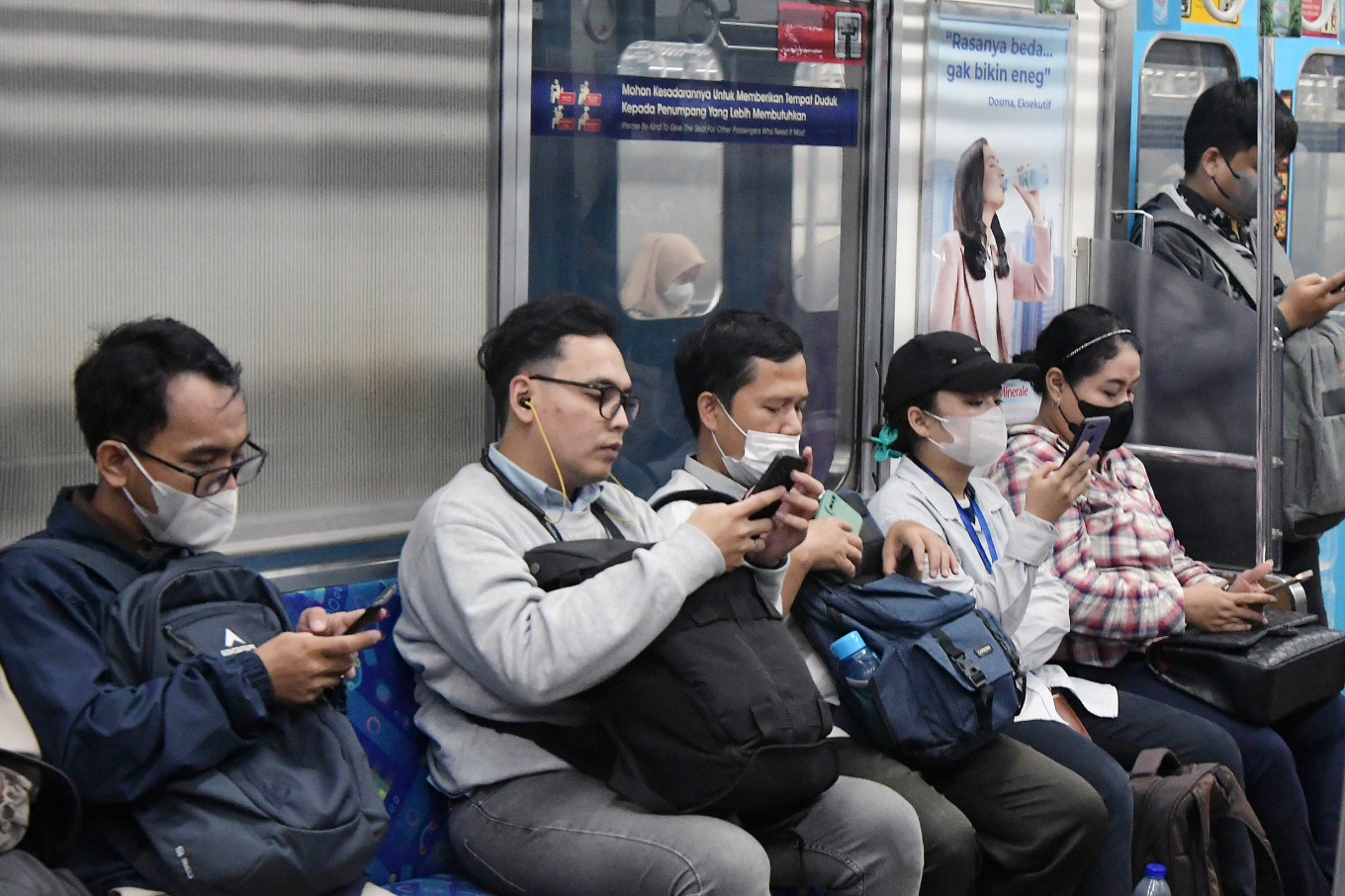
Public transportation systems are especially important in influenza prevention efforts. Buses, trains, and subways often involve close contact among passengers, making them high-risk environments for virus transmission. Encouraging mask use during flu season, improving ventilation, and increasing cleaning frequency can help reduce the spread of influenza in these settings. Passengers also share responsibility by practicing good hygiene and avoiding travel when sick.
Community education is essential for long-term influenza prevention. Schools, media outlets, healthcare providers, and community leaders should work together to provide accurate information about influenza symptoms, transmission, vaccination, and preventive measures. Misinformation can lead to fear, vaccine hesitancy, or neglect of preventive practices, which may worsen outbreaks. Clear and consistent communication helps build trust and encourages healthy behaviors.
Local healthcare systems play a major role in supporting community influenza prevention. Clinics and hospitals provide vaccination services, diagnose and treat infected individuals, and monitor influenza activity. Early detection of outbreaks allows health authorities to respond quickly with targeted interventions. Healthcare workers also serve as educators, helping patients understand how to prevent further spread of infection.
Workplaces and schools are important community environments where collective responsibility is essential. Employers and educators should encourage sick individuals to stay home, promote vaccination, and ensure hygiene facilities are available. When institutions adopt strong health policies, they contribute to reducing community-wide transmission.
Social responsibility also includes individual behavior in public spaces. People should avoid going out when experiencing flu symptoms, especially to crowded areas. Staying home when sick protects others and helps reduce community spread. Wearing masks during outbreaks, maintaining distance when necessary, and practicing good hygiene are simple actions that collectively make a significant difference.
Community support systems are especially important for vulnerable populations. Elderly individuals, people with disabilities, low-income families, and those with chronic illnesses may require additional assistance during flu season. Communities can provide support through healthcare outreach programs, vaccination assistance, transportation services, and access to medical information. Ensuring that vulnerable groups are protected strengthens overall community resilience.
Religious institutions, community centers, and local organizations can also contribute to influenza prevention. These groups often serve as gathering points for large numbers of people and can play a role in spreading awareness and encouraging healthy behaviors. They can also help distribute health resources and support vaccination campaigns.
Environmental factors such as air quality and urban planning also influence influenza transmission. Communities that prioritize clean air, proper ventilation in buildings, and reduced overcrowding tend to have lower rates of respiratory infections. Urban design that supports healthier living conditions indirectly contributes to influenza prevention.
Technology has become an important tool in supporting community health efforts. Mobile apps, social media platforms, and public health websites allow rapid dissemination of information about influenza outbreaks, vaccination schedules, and prevention guidelines. Real-time updates help communities respond quickly and make informed decisions during flu season.
Research and surveillance systems are also critical at the community level. Health authorities continuously monitor influenza cases to detect outbreaks and track virus strains. This information helps guide vaccination strategies and public health responses. Early detection allows communities to implement preventive measures before outbreaks become widespread.
Economic factors also highlight the importance of community responsibility. Influenza outbreaks can lead to significant financial losses due to healthcare costs, reduced productivity, and school closures. Preventing widespread infection benefits not only public health but also economic stability. Investing in prevention is far more cost-effective than treating large-scale outbreaks.
Cultural attitudes and social norms influence how communities respond to influenza prevention. In some societies, wearing masks during illness, staying home when sick, and practicing hygiene are well-established norms. In others, these behaviors may need stronger encouragement through education and awareness campaigns. Changing social behavior takes time but is essential for long-term public health improvement.
In conclusion, community responsibility is a cornerstone of effective influenza prevention. Vaccination, hygiene practices, environmental cleanliness, education, and responsible behavior all contribute to reducing the spread of influenza. When individuals and institutions work together, communities become stronger and more resilient against seasonal outbreaks. By embracing shared responsibility, societies can protect vulnerable populations, reduce healthcare burdens, and promote healthier living conditions for everyone.