Influenza Prevention for Children
Children are one of the most important groups to protect during influenza season because they are highly active, socially interactive, and often less consistent with hygiene practices. Influenza, or the flu, is a contagious respiratory illness caused by influenza viruses that spread easily in environments where children gather, such as schools, playgrounds, daycare centers, and extracurricular activities. Because children frequently come into close contact with one another, influenza can spread quickly and lead to outbreaks that affect entire classrooms or even entire schools.
Influenza spreads primarily through respiratory droplets released when an infected person coughs, sneezes, talks, or laughs. Children may also become infected by touching contaminated surfaces such as toys, desks, books, or shared devices and then touching their eyes, nose, or mouth. Since children often forget to wash their hands properly or cover their mouths when coughing, they can unintentionally become major contributors to the spread of influenza within communities.
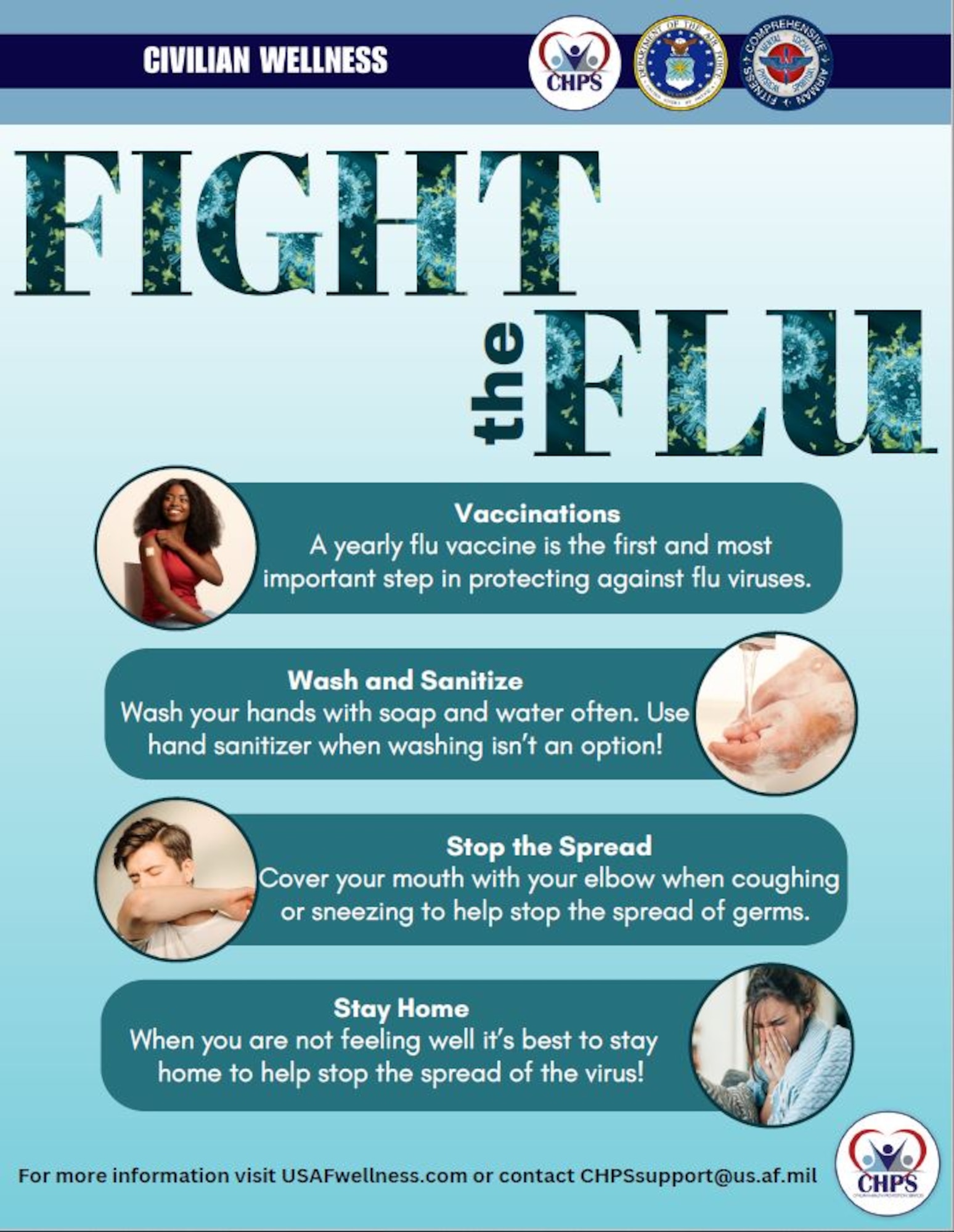
One of the most effective ways to protect children from influenza is annual vaccination. Health experts worldwide recommend flu vaccines for children because they significantly reduce the risk of infection, severe illness, and hospitalization. Vaccination also helps reduce the spread of influenza within families and schools. Children who receive the vaccine are less likely to bring the virus home, helping protect parents, siblings, and grandparents.
Influenza vaccination is especially important for young children under the age of five. Their immune systems are still developing, making them more vulnerable to serious complications such as pneumonia, dehydration, and high fever. In some cases, influenza can lead to hospitalization, which can be stressful for both children and parents. Vaccination provides an important layer of protection and reduces the likelihood of severe outcomes.
In addition to vaccination, teaching proper hand hygiene is essential for preventing influenza in children. Children should be encouraged to wash their hands with soap and water for at least twenty seconds, especially before eating, after using the restroom, after playing outside, and after coughing or sneezing. Parents and teachers can make handwashing more engaging by using songs, timers, or visual demonstrations to help children develop consistent habits.
When soap and water are not available, alcohol-based hand sanitizers can be used under adult supervision. However, handwashing remains the preferred method, especially when hands are visibly dirty. Teaching children to avoid touching their eyes, nose, and mouth is also important because these are common entry points for viruses.
Respiratory etiquette plays a major role in preventing influenza spread among children. Kids should be taught to cover their mouths and noses with tissues or their elbows when coughing or sneezing. Used tissues should be disposed of properly, and hands should be washed immediately afterward. Schools and parents should reinforce these habits consistently, especially during flu season.
Schools and daycare centers are key environments for influenza prevention. Because children spend many hours together in close proximity, schools must implement strong hygiene and health policies. Regular cleaning and disinfecting of toys, desks, chairs, doorknobs, and learning materials helps reduce virus transmission. Classroom ventilation should also be improved to ensure fresh air circulation and reduce the concentration of airborne viruses.
Teachers and school staff play an important role in monitoring children for flu symptoms. Common symptoms include fever, cough, sore throat, fatigue, headache, and body aches. Children who show signs of illness should be encouraged to stay home to prevent spreading the virus to classmates. School policies should support sick leave for students without academic penalties.
Nutrition is another important factor in strengthening children’s immune systems. A balanced diet that includes fruits, vegetables, whole grains, protein, and dairy products helps support healthy growth and immune function. Foods rich in vitamin C, vitamin D, and zinc are particularly beneficial in helping the body fight infections.
Adequate sleep is also essential for children’s health. Children require more sleep than adults, and lack of rest can weaken their immune system, making them more susceptible to influenza. Parents should establish consistent bedtime routines to ensure children get enough rest each night. Good sleep habits contribute not only to physical health but also to better concentration and emotional stability.
Physical activity helps strengthen children’s immune systems and overall well-being. Outdoor play, sports, and regular movement improve circulation, reduce stress, and promote healthy development. However, children who are sick should avoid physical exertion until they have fully recovered to prevent complications and further spread of illness.
Parents play a crucial role in influenza prevention by modeling healthy behaviors. Children often learn by observing adults, so parents who practice good hygiene, healthy eating, and vaccination are more likely to raise children who adopt similar habits. Family routines such as washing hands together, eating nutritious meals, and staying active can reinforce positive health behaviors.
During flu season, parents should closely monitor children for symptoms of illness. Early detection is important because influenza can spread rapidly in households. If a child shows symptoms such as persistent fever, difficulty breathing, dehydration, or unusual fatigue, medical attention should be sought promptly. In some cases, doctors may prescribe antiviral medications to reduce the severity and duration of illness.
Home care is important for children recovering from influenza. Rest, hydration, and proper nutrition help the body recover more effectively. Parents should ensure children drink enough fluids such as water, soup, or electrolyte solutions to prevent dehydration. Resting at home also helps prevent spreading the virus to others.
Technology can also support influenza prevention in children. Educational videos, interactive apps, and online learning tools can teach children about hygiene and health in engaging ways. Schools and parents can use digital resources to reinforce lessons about handwashing, vaccination, and healthy habits.
Public health campaigns often focus on protecting children during flu season because outbreaks in schools can quickly spread to the wider community. Vaccination programs, awareness campaigns, and school-based health initiatives all contribute to reducing infection rates among children. In many regions, flu vaccines are recommended or provided free for school-aged children to encourage widespread coverage.
Community cooperation is essential in protecting children from influenza. Schools, parents, healthcare providers, and public health authorities must work together to ensure children are vaccinated, educated, and supported in maintaining healthy habits. When communities prioritize child health, overall influenza transmission rates decrease significantly.
In conclusion, preventing influenza in children requires a combination of vaccination, hygiene education, healthy lifestyle habits, and supportive environments at home and school. Children are highly vulnerable to influenza due to their social nature and developing immune systems, but with proper care and preventive measures, the risk of infection can be greatly reduced. By teaching healthy habits early and ensuring consistent protection, families and communities can help children stay healthy, active, and safe during flu season.