Hygiene Practices for Influenza Prevention
Hygiene practices are one of the most fundamental and effective ways to prevent influenza transmission. Influenza, caused by influenza viruses, spreads mainly through respiratory droplets and contaminated surfaces. Because people interact with shared objects and environments every day, proper hygiene is essential in breaking the chain of infection. Simple daily habits such as handwashing, cleaning surfaces, and practicing respiratory etiquette can significantly reduce the spread of influenza in homes, schools, workplaces, and public spaces.
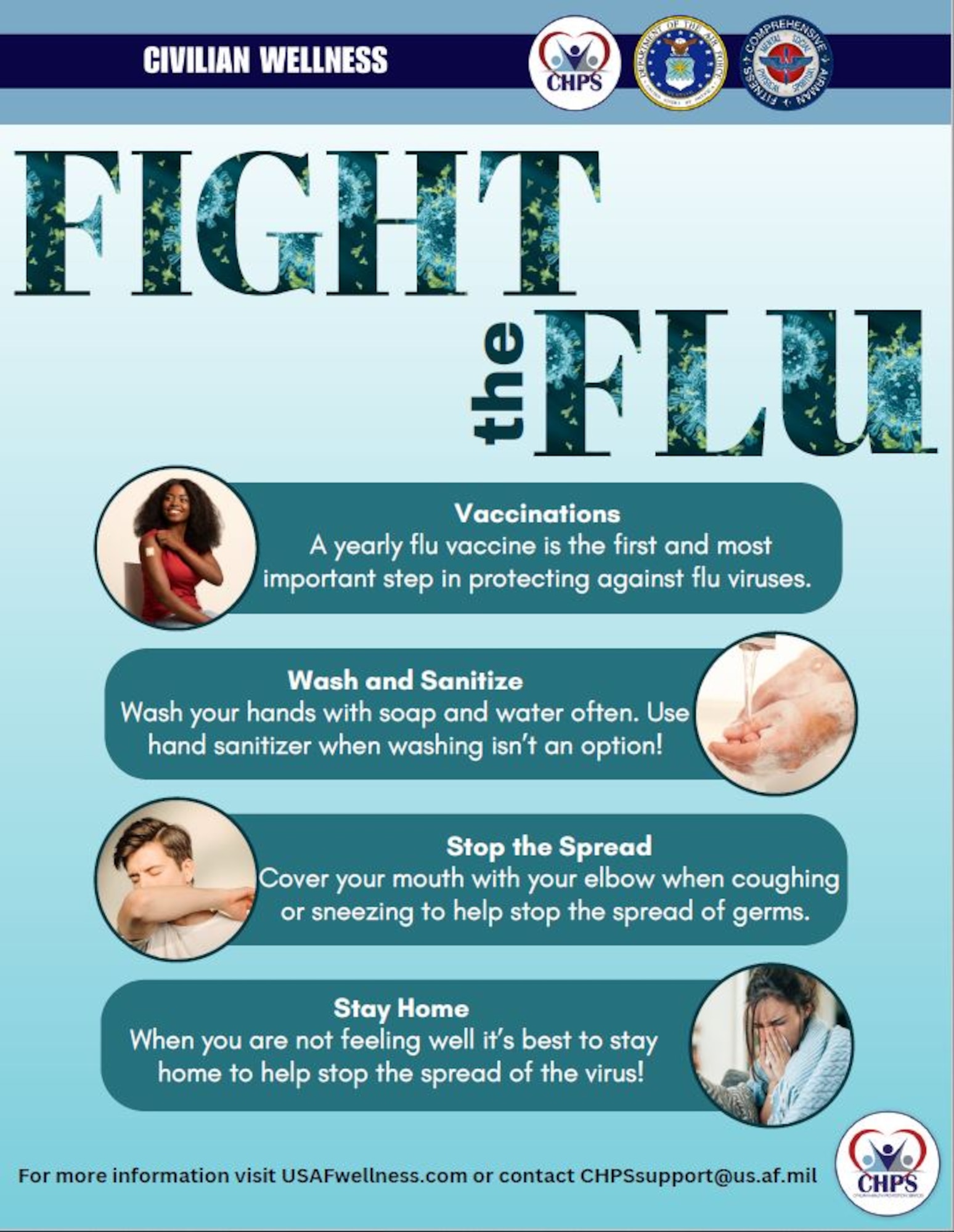
One of the most important hygiene practices is proper handwashing. Hands are the primary medium through which viruses are transferred from surfaces to the body. People frequently touch their eyes, nose, and mouth without realizing it, allowing viruses to enter the respiratory system. Washing hands with soap and water for at least twenty seconds helps remove dirt, bacteria, and viruses from the skin, greatly reducing the risk of infection.
Handwashing should be done at key times throughout the day. These include before eating, after using the restroom, after coughing or sneezing, after touching public surfaces, and after returning home from outside activities. Soap is particularly effective because it breaks down the outer layer of influenza viruses, making them inactive and easier to wash away.
When soap and water are not available, alcohol-based hand sanitizers can be used as an alternative. Sanitizers containing at least 60% alcohol are effective in reducing many types of germs, including influenza viruses. However, hand sanitizers are less effective when hands are visibly dirty, so proper handwashing remains the preferred method.
Respiratory hygiene is another essential component of influenza prevention. When an infected person coughs or sneezes, they release tiny droplets that can travel through the air and infect others. Covering the mouth and nose with a tissue or elbow helps prevent these droplets from spreading. Used tissues should be disposed of immediately, and hands should be cleaned afterward to avoid contamination.
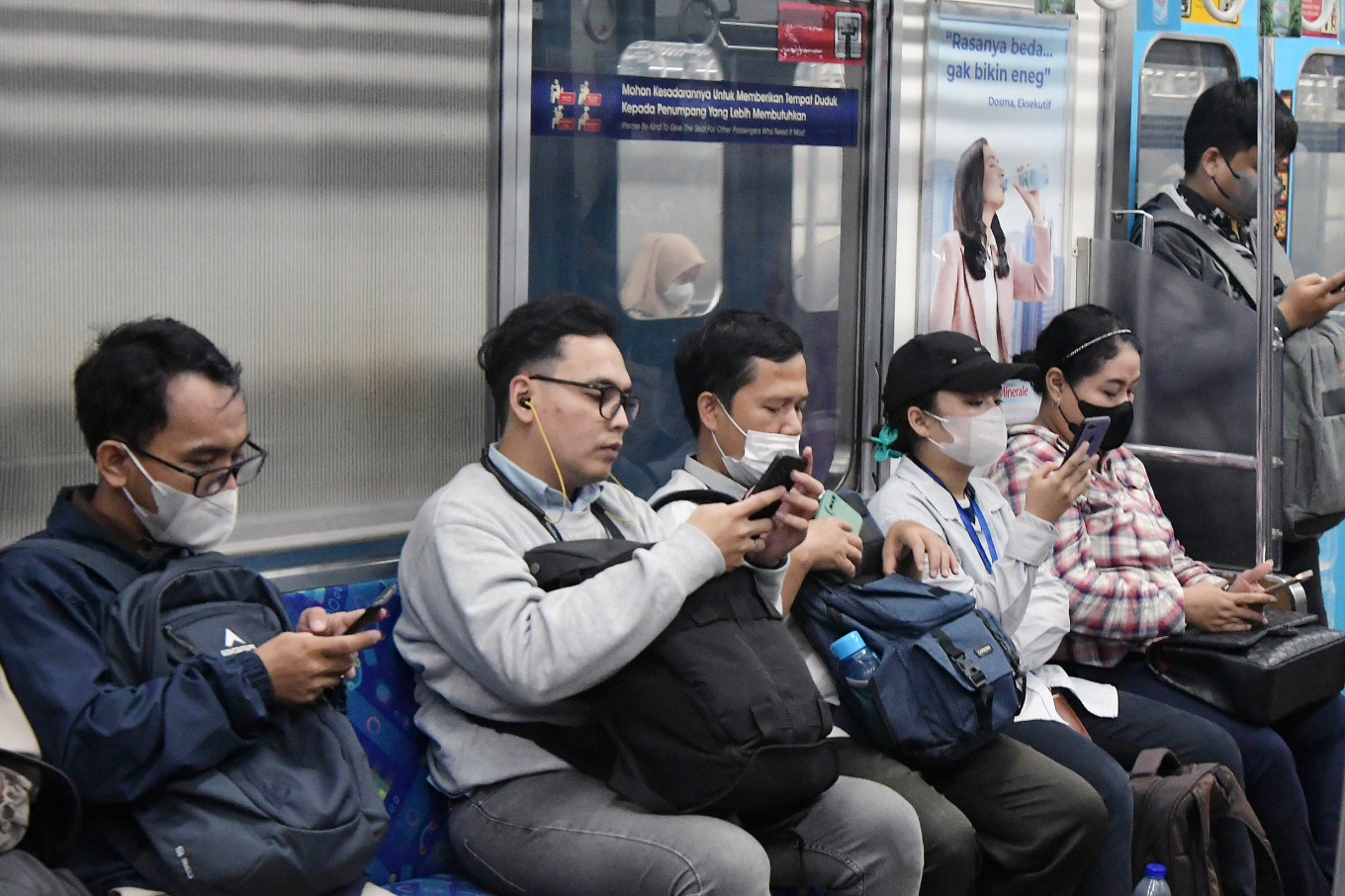
Wearing masks also supports respiratory hygiene, especially during flu season or in crowded environments. Masks help contain respiratory droplets and reduce exposure to airborne viruses. While masks are not a complete solution on their own, they are highly effective when combined with other hygiene practices.
Cleaning and disinfecting surfaces is another critical hygiene measure. Influenza viruses can survive on hard surfaces such as desks, doorknobs, phones, keyboards, and tables for several hours. Regular cleaning helps reduce the risk of indirect transmission. Disinfectants containing alcohol or chlorine-based solutions are effective in killing viruses on surfaces.
High-touch surfaces should be cleaned more frequently, especially in shared environments such as schools, offices, hospitals, and public transportation. Maintaining clean environments reduces the likelihood that individuals will come into contact with infectious particles.
Personal hygiene also includes avoiding touching the face, particularly the eyes, nose, and mouth. This habit is often unconscious but plays a major role in virus transmission. Becoming more aware of hand-to-face contact and reducing this behavior helps lower infection risk significantly.
Clothing and personal items can also carry germs, especially if someone has been in crowded or high-risk environments. Regular washing of clothes, towels, and bedding helps maintain cleanliness and reduce the presence of pathogens. Personal items such as phones, glasses, and reusable bottles should also be cleaned regularly.
Environmental hygiene extends beyond individual behavior. Homes, schools, and workplaces should ensure proper ventilation to allow fresh air circulation. Poor ventilation can increase the concentration of airborne viruses indoors, raising the risk of infection. Opening windows and using air circulation systems can help improve indoor air quality.
Public hygiene systems also play a major role in influenza prevention. Clean public restrooms, well-maintained transportation systems, and properly sanitized shared spaces help reduce community transmission. Local governments and organizations are responsible for maintaining these standards, especially during flu season.
Education about hygiene practices is essential for long-term influenza prevention. Teaching children and adults about proper handwashing, respiratory etiquette, and surface cleaning helps build lifelong healthy habits. Schools and workplaces often use posters, workshops, and campaigns to reinforce these behaviors.
Cultural habits and social norms also influence hygiene practices. In some communities, covering coughs, washing hands frequently, and staying home when sick are well-established behaviors. In others, these habits may require stronger public health messaging and education to become widely adopted.
Technology has also improved hygiene awareness. Mobile apps, online videos, and public health websites provide guidance on proper hygiene techniques. During outbreaks, digital platforms help spread important information quickly and efficiently to large populations.
Good hygiene practices also support recovery when someone is already infected with influenza. Maintaining cleanliness helps prevent spreading the virus to family members or caregivers. Sick individuals should isolate when possible, use separate utensils, and follow strict hygiene routines to protect others in the household.
Children require special attention when learning hygiene habits. Because they are still developing behavioral routines, they need consistent guidance and reinforcement from parents and teachers. Making hygiene activities fun and engaging can help children adopt these practices more effectively.
Older adults may also need assistance with hygiene practices, especially if they have mobility or cognitive challenges. Caregivers play an important role in ensuring that proper hygiene is maintained in elderly populations, particularly in care facilities.
Research consistently shows that improved hygiene practices significantly reduce the spread of respiratory infections, including influenza. While no single measure can completely eliminate risk, hygiene remains one of the most cost-effective and accessible methods of prevention.
In conclusion, hygiene practices are a cornerstone of influenza prevention. Regular handwashing, respiratory etiquette, surface cleaning, and environmental sanitation all contribute to reducing the spread of influenza viruses. When combined with vaccination, healthy lifestyle habits, and community awareness, good hygiene creates a strong defense against infection. By making hygiene a consistent part of daily life, individuals and communities can significantly reduce influenza transmission and improve overall public health.