Vaccination Strategies for Influenza Prevention
Influenza vaccination is one of the most effective and scientifically proven methods for preventing influenza infection and reducing its complications. Influenza, caused by rapidly evolving viruses, spreads easily through respiratory droplets and contaminated surfaces. Because the virus changes frequently from year to year, the body’s natural immunity is often not enough to provide full protection. This is why annual vaccination is essential as a core strategy in influenza prevention.
The influenza vaccine works by stimulating the immune system to recognize and fight specific strains of the virus. It contains inactivated or weakened components of influenza viruses that cannot cause illness but are sufficient to trigger an immune response. When the body is exposed to the real virus later, the immune system can respond more quickly and effectively, reducing the severity of illness or preventing infection altogether.
One of the key reasons influenza vaccination is needed every year is viral mutation. Influenza viruses continuously change through a process called antigenic drift. These small genetic changes can alter the structure of the virus, making previous immunity less effective. Each year, global health organizations analyze circulating virus strains and update vaccines accordingly to match the most likely variants.
There are several types of influenza vaccines available. The most common is the standard-dose inactivated vaccine, which is suitable for most people. There are also high-dose vaccines designed for older adults, which contain a higher concentration of antigen to produce a stronger immune response. Additionally, adjuvanted vaccines include substances that help boost immune system activity, making them more effective in certain populations.
Live attenuated influenza vaccines, which contain weakened forms of the virus, are also available in some regions and are typically administered as nasal sprays. These vaccines are designed to mimic natural infection more closely and may provide strong immunity, particularly in younger individuals. However, they are not suitable for everyone, especially those with weakened immune systems.
Vaccination is especially important for high-risk groups. These include young children, older adults, pregnant women, healthcare workers, and individuals with chronic medical conditions such as asthma, diabetes, or heart disease. These groups are more likely to experience severe complications if they contract influenza, including pneumonia, hospitalization, and even death.
Healthcare workers are a critical group for vaccination because they are frequently exposed to infected patients. Vaccination helps protect both healthcare providers and their patients, many of whom are already vulnerable. High vaccination coverage in healthcare settings reduces the risk of hospital outbreaks and improves overall patient safety.
Pregnant women are also strongly encouraged to receive the influenza vaccine. During pregnancy, the immune system undergoes changes that can increase susceptibility to infections. Influenza infection during pregnancy can lead to serious complications for both the mother and the baby. Vaccination provides protection for the mother and also offers passive immunity to the newborn during the early months of life.
Children benefit greatly from influenza vaccination because they are highly active in social environments such as schools and daycare centers, where viruses spread easily. Vaccinated children are less likely to experience severe illness and are less likely to transmit the virus to family members, including elderly relatives.
Community-wide vaccination programs are essential for reducing influenza spread at a population level. When a large proportion of people are vaccinated, the overall transmission of the virus decreases. This concept, known as herd immunity, helps protect individuals who cannot be vaccinated due to medical reasons.
Public health authorities often organize seasonal vaccination campaigns before flu season begins. These campaigns aim to increase awareness, improve accessibility, and encourage timely vaccination. Vaccines are typically distributed through clinics, hospitals, pharmacies, workplaces, and schools.
Despite its effectiveness, vaccine hesitancy remains a challenge in some communities. Misinformation, fear of side effects, and lack of awareness can prevent people from getting vaccinated. Public education is essential to address these concerns and provide accurate information about vaccine safety and effectiveness.
Common side effects of influenza vaccines are generally mild and temporary. These may include soreness at the injection site, mild fever, or fatigue. Serious side effects are extremely rare. The benefits of vaccination far outweigh the risks, especially for individuals in high-risk categories.
Timing is also important in vaccination strategies. It is recommended to receive the influenza vaccine before flu season begins, allowing the body enough time to develop immunity. However, vaccination later in the season can still provide benefits, as influenza viruses may circulate for several months.
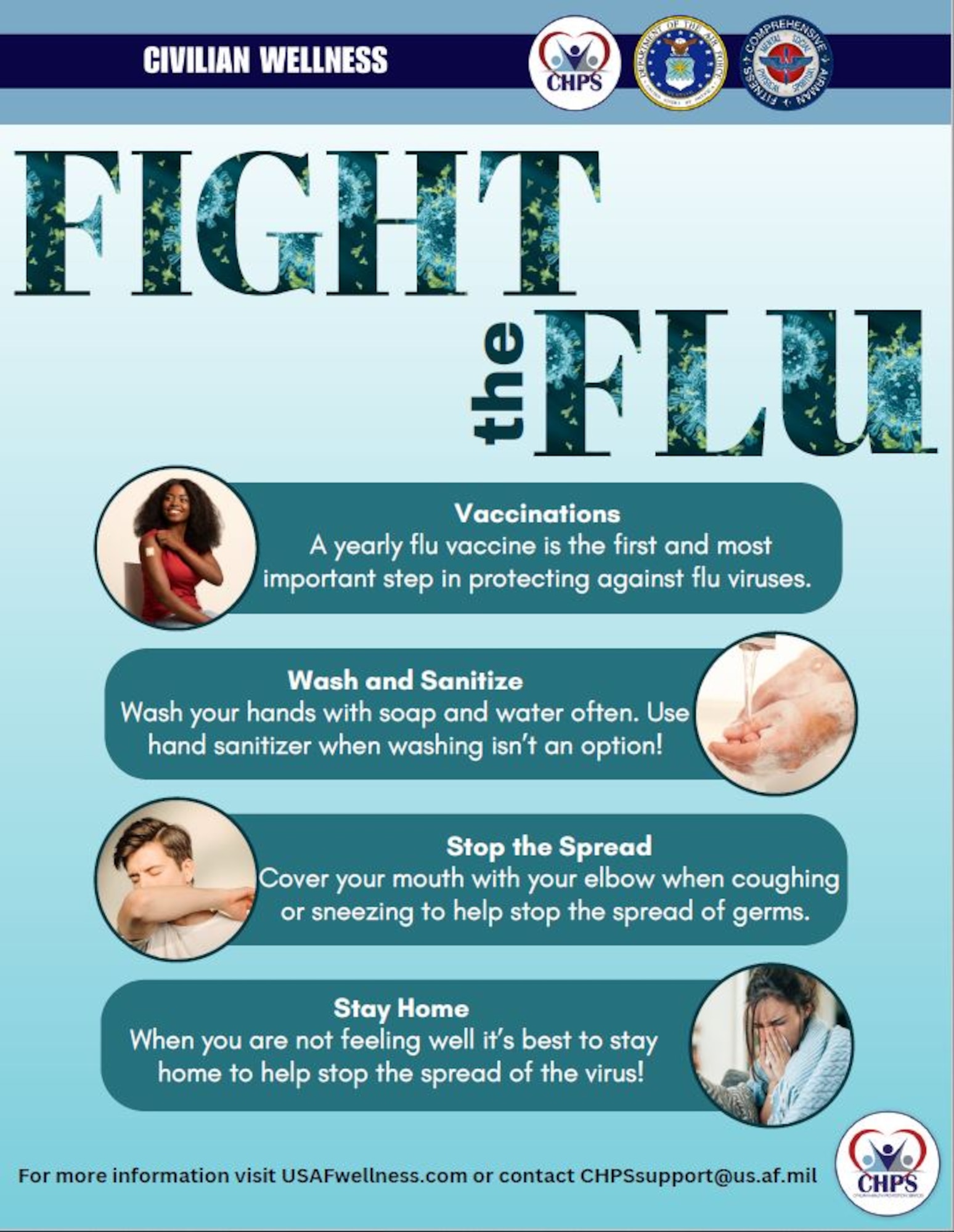
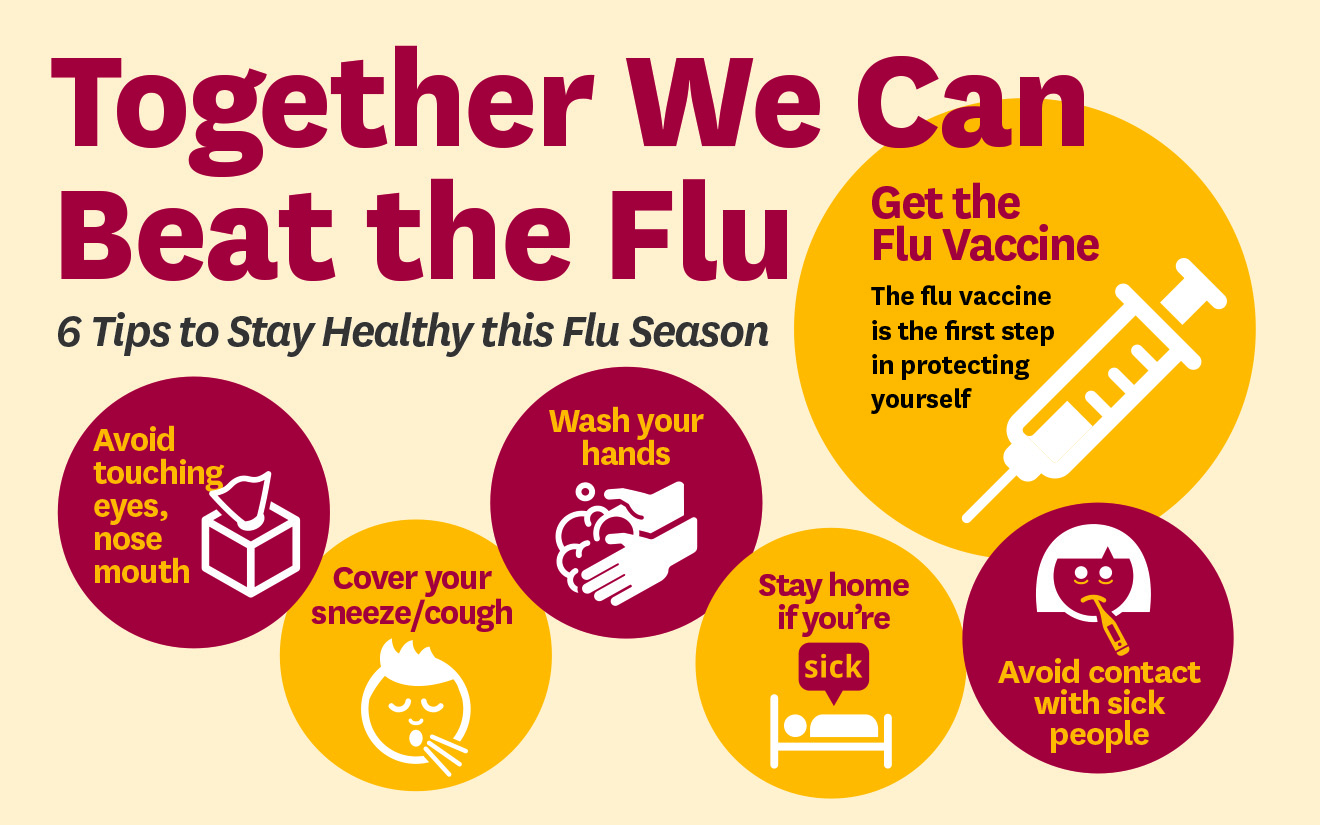
Vaccination is most effective when combined with other preventive measures such as hand hygiene, mask use, healthy nutrition, regular exercise, and adequate sleep. While vaccination significantly reduces risk, it does not guarantee complete protection, which is why a multi-layered approach is necessary.
Technology and research continue to improve influenza vaccines. Scientists are working on developing universal flu vaccines that could provide long-lasting protection against multiple strains of the virus. If successful, such vaccines could reduce the need for annual updates and significantly improve global influenza prevention efforts.
In conclusion, influenza vaccination is a cornerstone of effective prevention strategies. It strengthens immune defense, reduces severity of illness, and helps protect communities through widespread immunity. When combined with other health practices such as hygiene, nutrition, and healthy lifestyles, vaccination provides strong and reliable protection against influenza. Encouraging widespread and timely vaccination remains one of the most important steps in reducing the global impact of influenza.