Influenza Prevention in Healthcare Settings
Healthcare settings such as hospitals, clinics, and nursing facilities are among the most critical environments for influenza prevention. These places bring together infected patients, vulnerable individuals, and healthcare workers in close contact, creating a high risk for transmission. Because influenza is a highly contagious respiratory virus, strict prevention measures are essential to protect patients, medical staff, and visitors.
Influenza spreads through respiratory droplets released when infected individuals cough, sneeze, talk, or undergo certain medical procedures. It can also spread through contaminated surfaces like bed rails, medical equipment, doorknobs, and electronic devices. In healthcare environments, where sick individuals are concentrated, the risk of exposure is significantly higher than in most public settings.
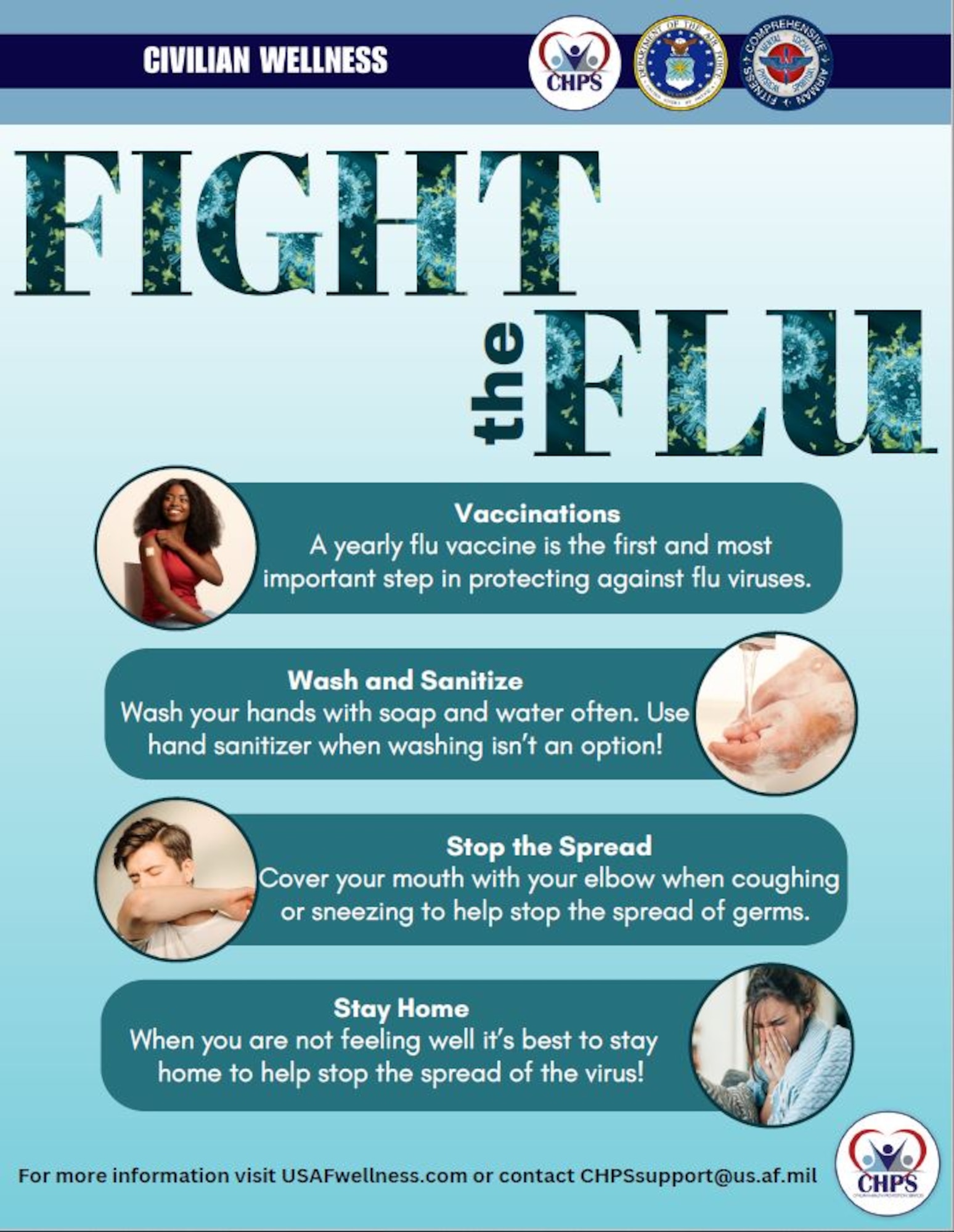
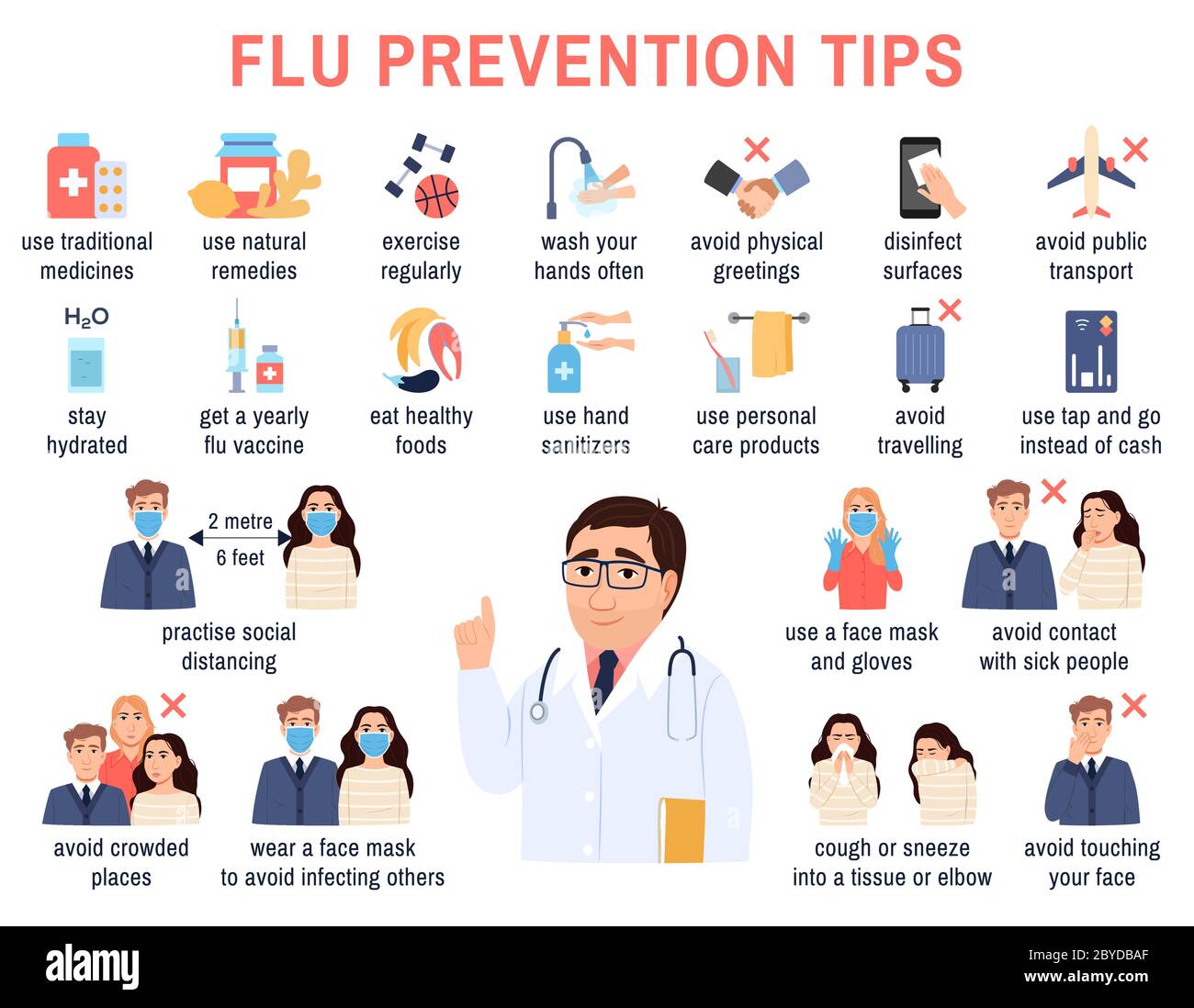
One of the most important prevention strategies in healthcare settings is vaccination for healthcare workers. Medical staff are frequently exposed to influenza viruses and can unintentionally transmit the infection to vulnerable patients. Annual influenza vaccination helps protect healthcare workers themselves and reduces the risk of hospital-based outbreaks. Many hospitals require or strongly encourage staff vaccination as part of infection control policies.
In addition to vaccination, strict hand hygiene is a fundamental requirement in healthcare environments. Healthcare workers must wash their hands before and after every patient interaction, after touching contaminated surfaces, and after removing gloves. Alcohol-based hand sanitizers are widely used in hospitals due to their efficiency and ease of access. Proper hand hygiene is one of the most effective ways to prevent cross-contamination between patients.
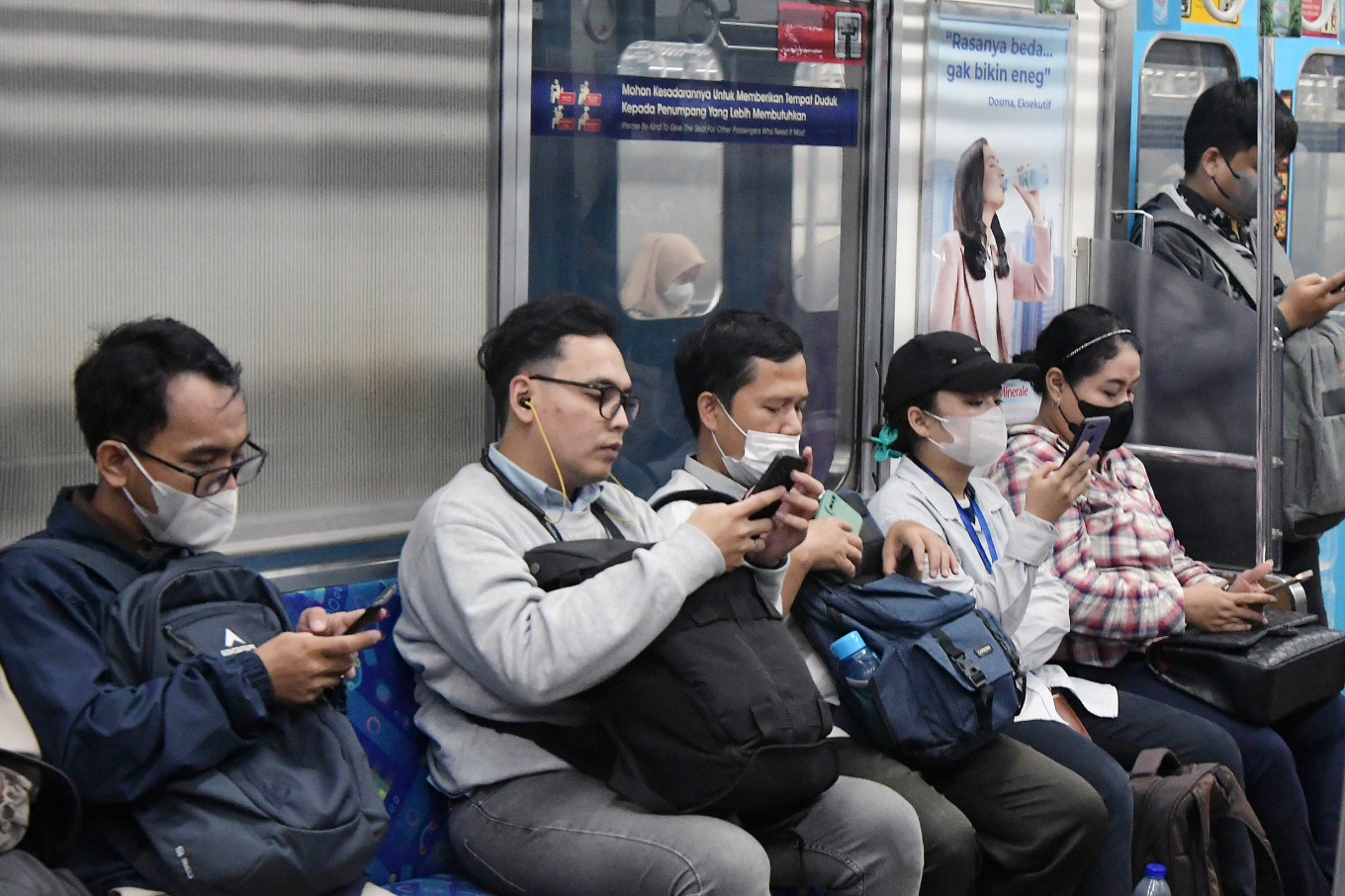
Personal protective equipment (PPE) is another essential component of influenza prevention in healthcare settings. This includes masks, gloves, gowns, and sometimes eye protection. Surgical masks or respirators such as N95 masks help reduce exposure to respiratory droplets and airborne particles. Proper use and disposal of PPE are crucial to prevent contamination and ensure safety for both staff and patients.
Isolation procedures are commonly used in hospitals to prevent the spread of influenza. Patients diagnosed with or suspected of having influenza may be placed in separate rooms or designated areas. In some cases, negative-pressure rooms are used to prevent airborne particles from spreading to other areas. Isolation helps protect other patients who may already have weakened immune systems.
Cleaning and disinfection protocols in healthcare facilities are extremely strict. Medical equipment, patient rooms, and high-touch surfaces must be cleaned regularly using hospital-grade disinfectants. Surfaces such as bed rails, monitors, IV stands, and door handles require frequent sanitation. Proper cleaning reduces the risk of indirect transmission through contaminated objects.
Ventilation systems in healthcare settings also play an important role in influenza prevention. Proper airflow helps reduce the concentration of airborne viruses in enclosed spaces. Many hospitals use advanced air filtration systems, including HEPA filters, to remove infectious particles from the air. Maintaining clean and well-ventilated environments is essential for infection control.
Screening procedures are often implemented in healthcare facilities during flu season. Patients and visitors may be screened for symptoms such as fever, cough, and sore throat before entering certain areas. Early identification of suspected influenza cases helps prevent exposure to other patients and allows for immediate isolation and treatment.
Healthcare workers are trained to follow respiratory hygiene and cough etiquette protocols. Patients and visitors are also encouraged to cover their mouths and noses when coughing or sneezing and to use tissues or masks when necessary. Education plays a key role in ensuring that everyone in the healthcare environment understands their responsibility in preventing infection.
Visitor restrictions may be implemented during periods of high influenza activity. Limiting the number of visitors helps reduce the risk of introducing or spreading infection within healthcare facilities. Visitors who are sick are often advised to avoid entering hospitals altogether to protect patients and staff.
Antiviral medications are sometimes used in healthcare settings for both treatment and prevention. In outbreak situations, antiviral drugs may be given to patients or healthcare workers to reduce the spread of influenza. Early treatment can shorten illness duration and reduce complications, especially in high-risk patients.
Occupational health programs are also important in healthcare facilities. These programs monitor the health of staff, provide vaccination services, and ensure compliance with infection control guidelines. Regular training sessions help healthcare workers stay updated on best practices for preventing influenza transmission.
Technology has improved infection control in healthcare settings. Electronic health records, automated alert systems, and surveillance software help track influenza cases and identify outbreaks quickly. Rapid detection allows hospitals to respond promptly and implement containment measures.
During severe influenza seasons, hospitals may experience increased patient loads, which can strain resources. Effective prevention strategies help reduce the number of cases requiring hospitalization, ensuring that healthcare systems remain functional and capable of treating other medical conditions.
Special attention is given to protecting high-risk patients in healthcare settings. These include elderly individuals, newborns, pregnant women, and patients with chronic illnesses or weakened immune systems. Extra precautions such as strict isolation and enhanced hygiene protocols are often applied to protect these groups.
Education and communication are essential components of influenza prevention in healthcare environments. Staff must be continuously trained on infection control procedures, while patients and visitors should receive clear instructions about hygiene and safety measures. Consistent communication ensures compliance and reduces misunderstandings.
Research in healthcare-associated influenza prevention continues to improve safety practices. Studies focus on optimizing PPE use, improving vaccine effectiveness, and developing better infection control systems. Lessons learned from past outbreaks, including global respiratory pandemics, have strengthened hospital preparedness worldwide.
In conclusion, influenza prevention in healthcare settings requires a comprehensive and highly disciplined approach. Vaccination, hand hygiene, personal protective equipment, isolation procedures, environmental cleaning, and proper ventilation all work together to reduce transmission. Healthcare workers, patients, and visitors all share responsibility in maintaining a safe environment. By implementing strict infection control measures, healthcare facilities can significantly reduce influenza spread and protect both vulnerable patients and medical staff.