The Role of Public Health Policies in Influenza Prevention
Public health policies play a central role in controlling and preventing influenza at the population level. Because influenza is a contagious respiratory disease that spreads quickly through communities, individual actions alone are not enough to fully control outbreaks. Coordinated strategies led by governments, health organizations, and international agencies are necessary to reduce transmission, protect vulnerable populations, and minimize the social and economic impact of seasonal influenza.
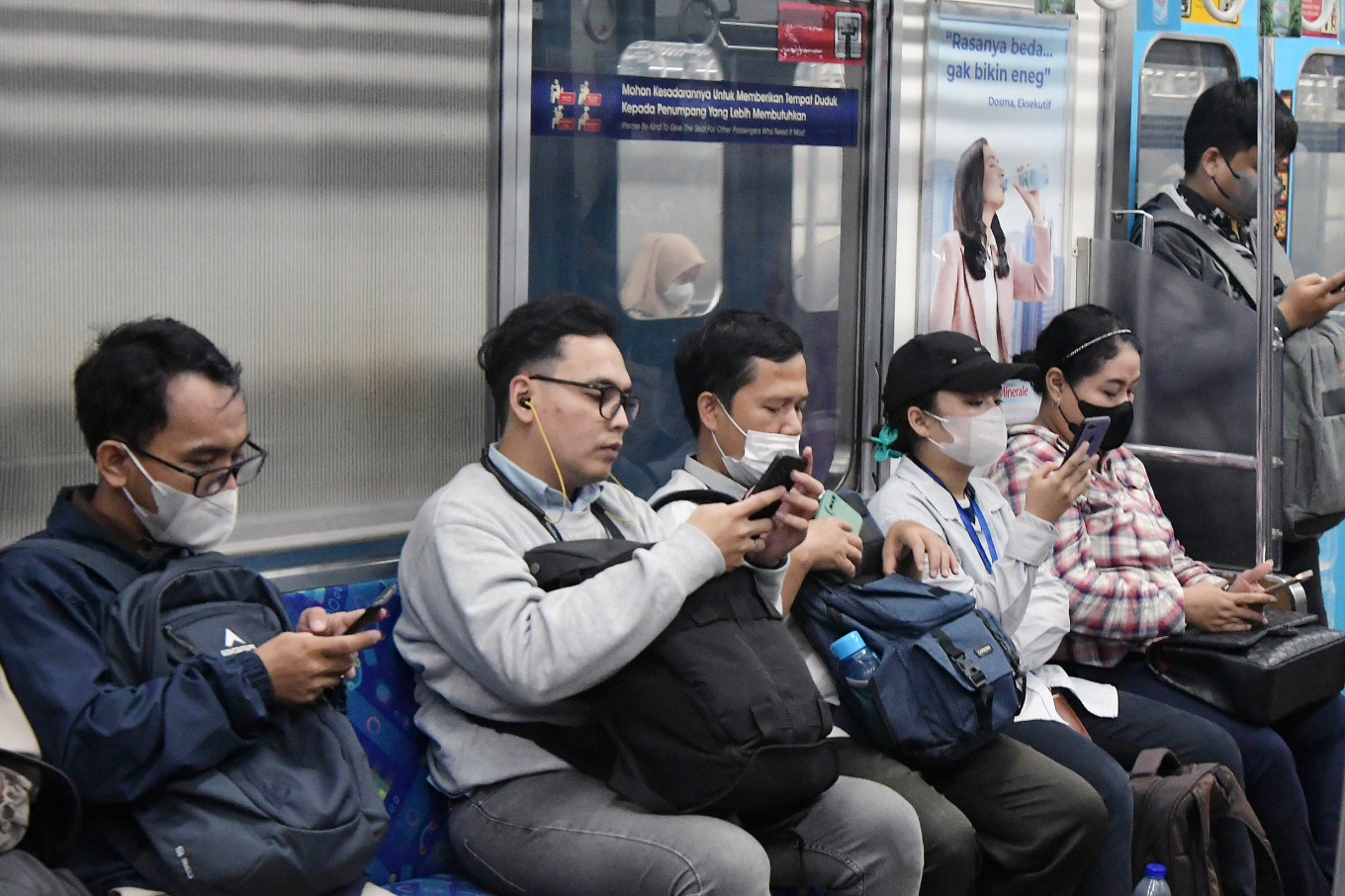
Influenza spreads through respiratory droplets and contaminated surfaces, and it can move rapidly through schools, workplaces, transportation systems, and public spaces. Without structured public health interventions, outbreaks can escalate quickly, leading to increased hospitalizations and strain on healthcare systems. Public health policies help organize prevention efforts and ensure that resources are distributed effectively.
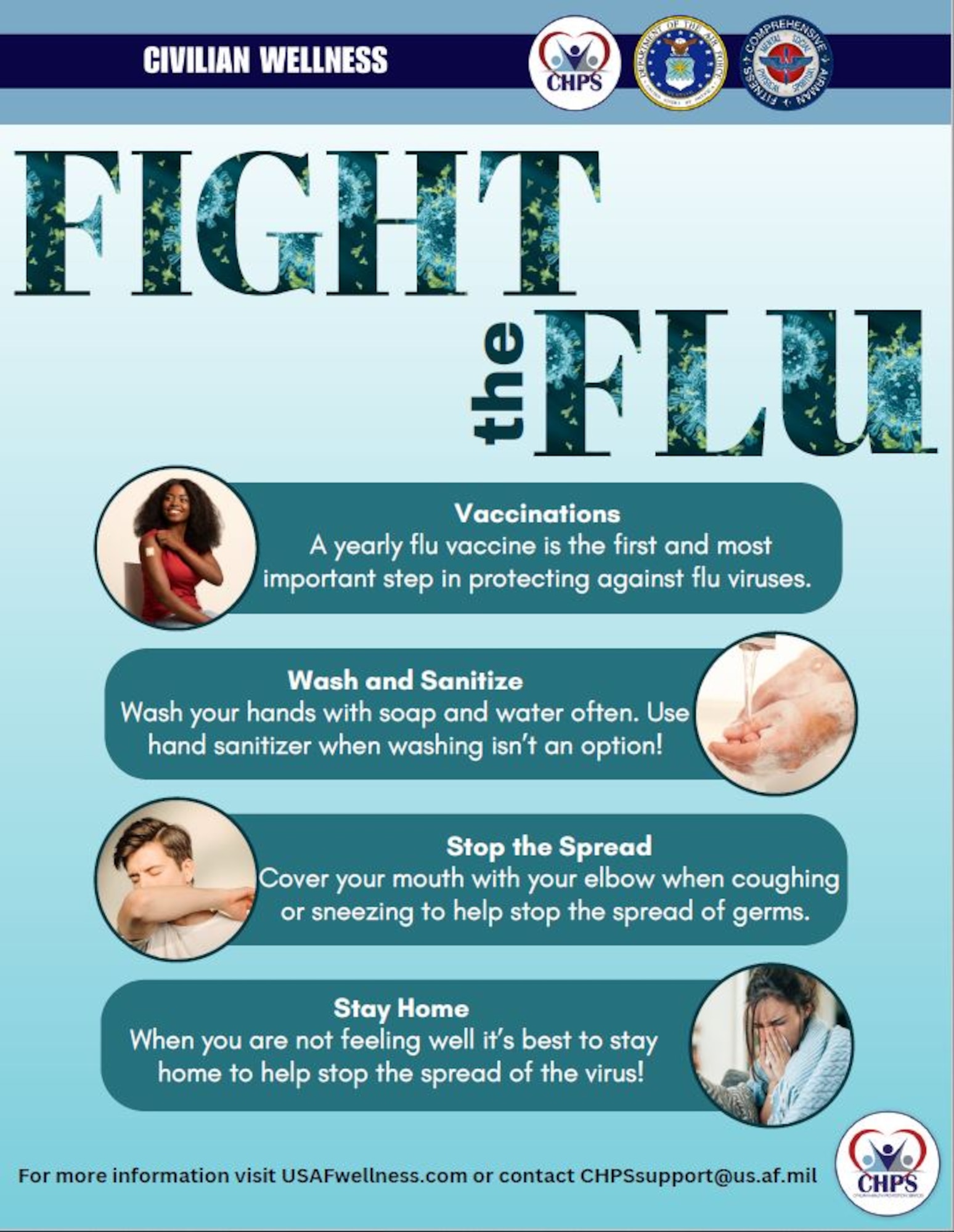
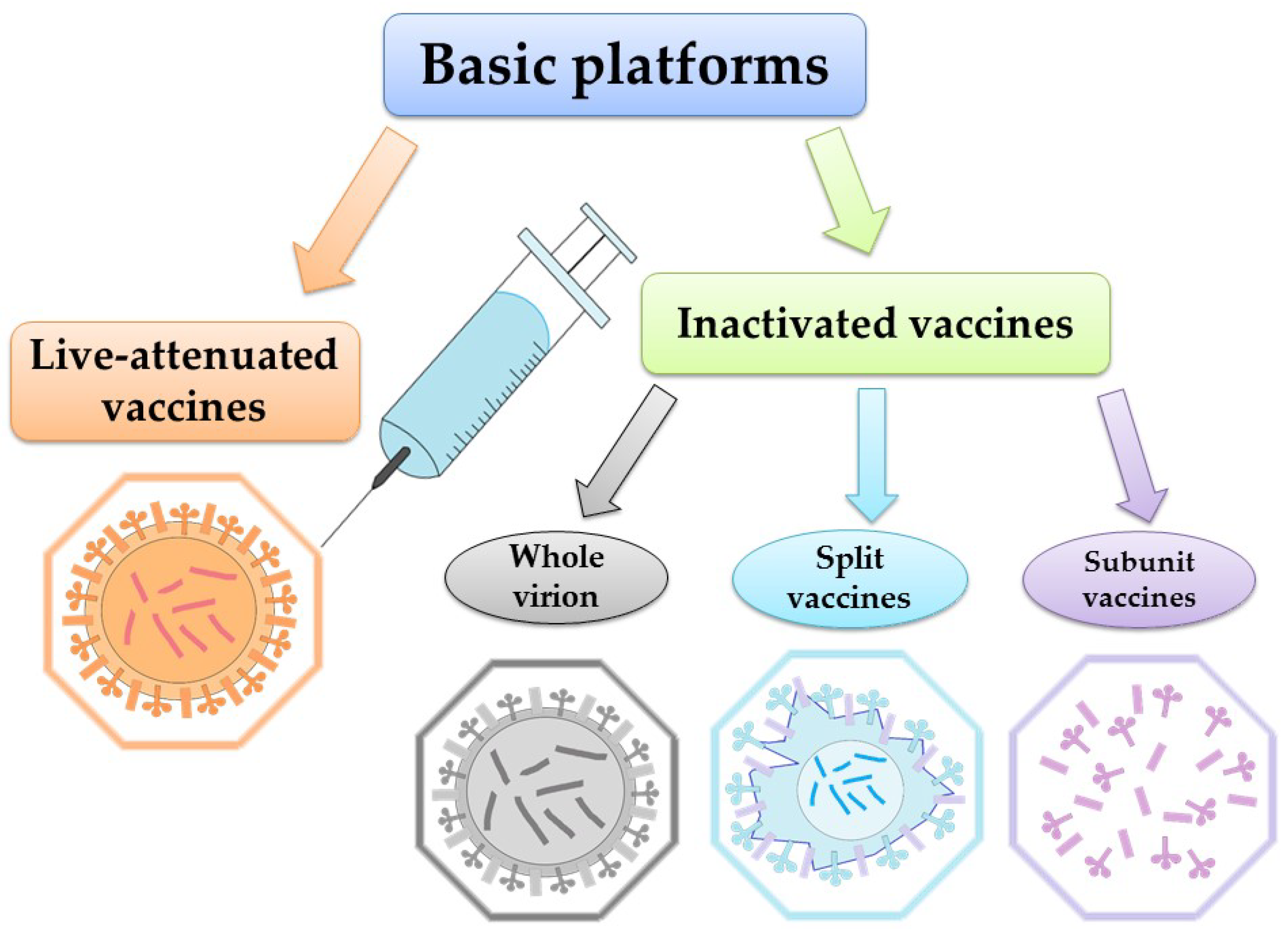
One of the most important public health strategies is influenza vaccination programs. Governments and health authorities often implement national vaccination campaigns each year before flu season begins. These programs aim to increase vaccination coverage across all age groups, especially among high-risk populations such as older adults, young children, pregnant women, and individuals with chronic diseases. By increasing vaccination rates, communities can significantly reduce the spread of influenza.
Many countries provide free or subsidized influenza vaccines to encourage widespread participation. This approach helps remove financial barriers and ensures that vulnerable populations have access to protection. Public vaccination campaigns are often conducted in hospitals, clinics, schools, pharmacies, and community centers to improve accessibility.
Public health education is another key component of influenza prevention policies. Governments and health organizations use media campaigns, public service announcements, and educational materials to inform the public about influenza symptoms, transmission, and prevention methods. These campaigns help increase awareness and encourage people to adopt healthy behaviors such as vaccination, hand hygiene, and staying home when sick.
Surveillance systems are essential for monitoring influenza activity. Public health agencies collect data on influenza cases from hospitals, clinics, and laboratories to track the spread of the virus. This information helps identify outbreaks early and allows authorities to respond quickly with targeted interventions. Surveillance data also helps determine which virus strains are circulating, guiding vaccine development each year.
International collaboration is also important in influenza control. Organizations such as the World Health Organization coordinate global surveillance networks to track influenza trends across different regions. Because influenza viruses can spread rapidly across borders, global cooperation ensures that countries are prepared for emerging strains and seasonal outbreaks.
School-based public health policies are particularly effective in reducing influenza transmission. Schools often implement vaccination programs, hygiene education, and absentee policies that encourage sick students to stay home. These measures help prevent outbreaks in educational settings and reduce community spread. Schools also serve as important centers for health education, teaching children lifelong hygiene and prevention habits.
Workplace health policies contribute significantly to influenza prevention as well. Employers may implement sick leave policies, vaccination programs, and workplace hygiene standards to reduce transmission among employees. Encouraging workers to stay home when sick is especially important in preventing outbreaks in office environments, factories, and service industries.
Travel-related health policies also help control the spread of influenza. Airports, airlines, and border control agencies may implement health screenings during severe flu seasons or outbreaks. Public health advisories may also be issued to inform travelers about vaccination recommendations and preventive measures when visiting high-risk areas.
Emergency preparedness plans are another important aspect of public health policy. During severe influenza outbreaks or pandemics, governments may activate response strategies that include increasing vaccine production, distributing medical supplies, expanding hospital capacity, and implementing public safety measures. These plans help reduce the impact of widespread infection on healthcare systems.
Public health policies also focus on protecting vulnerable populations. Special programs are often designed for elderly individuals, low-income families, people with disabilities, and those with chronic illnesses. These programs may include mobile vaccination units, home healthcare services, and targeted education campaigns to ensure that high-risk groups receive adequate protection.
Environmental health policies contribute indirectly to influenza prevention as well. Regulations on sanitation, air quality, and public space maintenance help reduce the spread of infectious diseases. Proper waste management, clean water access, and improved ventilation standards in public buildings all support healthier environments.
Data-driven decision-making is a key feature of modern public health policy. Health authorities use epidemiological data to determine when and where to deploy resources. This includes identifying peak influenza seasons, targeting vaccination campaigns, and issuing public health warnings when necessary. Accurate data ensures that interventions are timely and effective.
Communication strategies are also essential in public health policy. Clear, consistent, and transparent communication helps build public trust and encourages compliance with health recommendations. During influenza seasons, timely updates about infection rates, vaccine availability, and preventive measures help individuals make informed decisions.
Technology has greatly improved the effectiveness of public health policies. Digital surveillance systems, mobile health apps, and online reporting tools allow faster detection of outbreaks and more efficient dissemination of information. Social media platforms also play a role in spreading awareness, although they require careful management to avoid misinformation.
Economic policies are also linked to influenza prevention. Governments invest in vaccination programs, healthcare infrastructure, and research to reduce the long-term economic burden of influenza outbreaks. Preventing illness is far more cost-effective than treating large-scale infections and managing hospital surges.
Public health research supports the continuous improvement of influenza prevention policies. Scientists study virus behavior, vaccine effectiveness, transmission patterns, and population health trends. This research helps policymakers design more effective interventions and adapt strategies to changing conditions.
In conclusion, public health policies are essential for effective influenza prevention at the community and national levels. Vaccination programs, surveillance systems, health education, workplace and school policies, and international cooperation all work together to reduce influenza transmission. By implementing strong and coordinated public health strategies, societies can protect vulnerable populations, reduce healthcare burdens, and minimize the impact of seasonal influenza outbreaks.