Seasonal Changes and Influenza Prevention
Seasonal changes have a strong influence on the spread of influenza. In many parts of the world, influenza outbreaks occur more frequently during colder months or rainy seasons. Although influenza viruses circulate throughout the year, environmental conditions, human behavior, and immune system changes during certain seasons can increase transmission rates. Understanding how seasonal factors affect influenza is important for improving prevention strategies and reducing the impact of outbreaks.
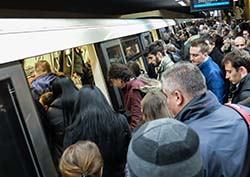
One of the main reasons influenza spreads more easily during colder seasons is related to indoor crowding. When temperatures drop, people tend to spend more time indoors in enclosed spaces with limited ventilation. Homes, schools, offices, and public transportation become more crowded, increasing close contact between individuals. Since influenza spreads through respiratory droplets, these conditions create an ideal environment for transmission.
Low humidity is another factor that contributes to influenza spread during colder seasons. Dry air can cause respiratory droplets to evaporate more quickly into smaller particles, which may remain suspended in the air for longer periods. Additionally, dry air can irritate the respiratory tract, making it easier for viruses to enter the body. This combination increases the likelihood of infection during winter months in many regions.
Seasonal changes can also affect the human immune system. Some studies suggest that reduced sunlight exposure during colder months may lower vitamin D levels in the body. Vitamin D plays an important role in immune regulation, and low levels may weaken the body’s ability to fight infections. As a result, individuals may become more susceptible to influenza during periods of reduced sunlight.
Behavioral changes during different seasons also play a role in influenza transmission. During rainy or cold weather, people are less likely to engage in outdoor activities and more likely to gather indoors. Social events, holidays, and seasonal gatherings can further increase close contact among individuals, creating opportunities for viruses to spread more rapidly.
Schools often experience higher rates of influenza during specific seasons due to close contact among students. Children spend long hours in classrooms, cafeterias, and playgrounds, which facilitates transmission. Seasonal outbreaks in schools can quickly extend into households and communities, making children important contributors to influenza spread during peak seasons.
Workplaces are similarly affected by seasonal influenza patterns. During peak flu season, increased absenteeism due to illness can reduce productivity and place strain on organizations. Indoor office environments with shared air circulation systems can also contribute to faster transmission if proper preventive measures are not in place.
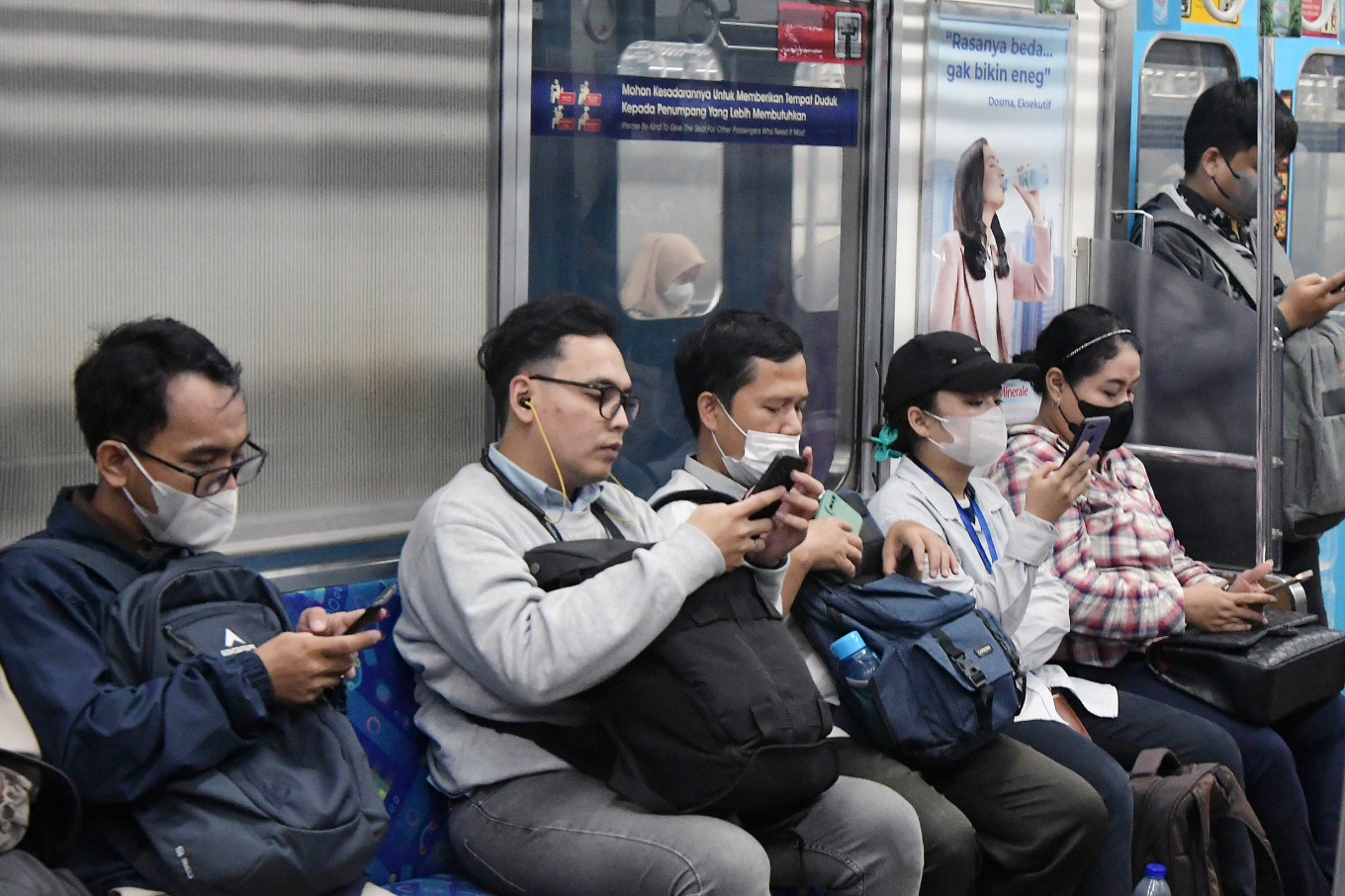
Public transportation systems become higher-risk environments during seasonal influenza peaks. Crowded buses, trains, and airplanes with limited ventilation increase the likelihood of exposure. Seasonal travel, especially during holidays, further contributes to the spread of influenza across regions and countries.
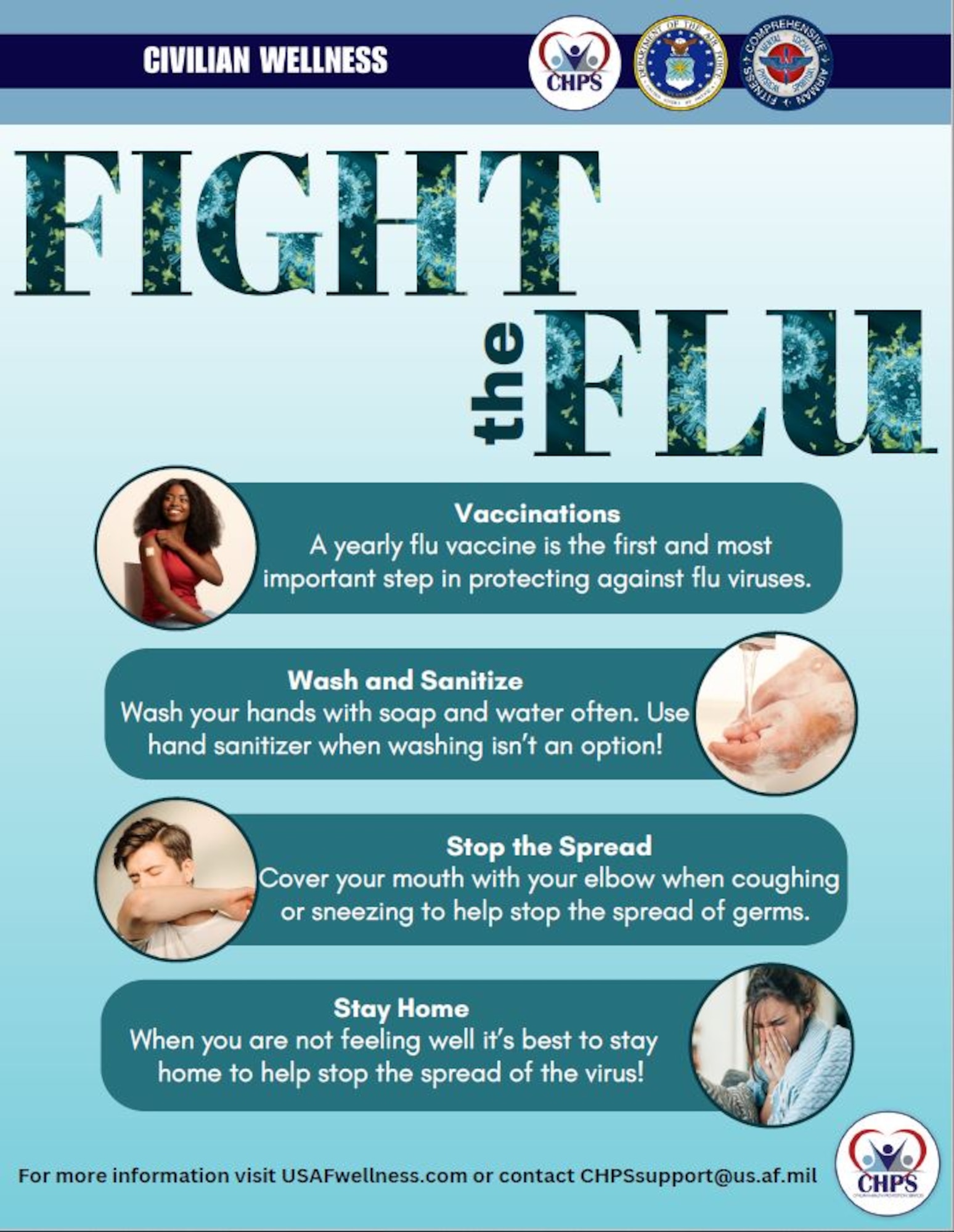
To reduce seasonal influenza risk, vaccination timing is extremely important. Health authorities typically recommend receiving the influenza vaccine before the start of peak flu season. This allows the immune system enough time to develop protection before virus circulation increases. Annual vaccination remains one of the most effective seasonal prevention strategies.
Hand hygiene becomes even more important during high-risk seasons. Regular handwashing with soap and water helps remove viruses that may be picked up from contaminated surfaces. When combined with alcohol-based hand sanitizers, proper hand hygiene significantly reduces the risk of infection in crowded environments.
Wearing masks during peak influenza season can also provide additional protection, especially in crowded indoor spaces. Masks help reduce the spread of respiratory droplets and limit exposure to airborne viruses. This simple measure can be particularly effective during seasonal outbreaks in schools, workplaces, and public transportation.
Ventilation plays a crucial role in reducing seasonal influenza transmission. Opening windows, using air filtration systems, and improving indoor airflow can help reduce the concentration of airborne viruses. Proper ventilation is especially important in closed environments where people gather for long periods.
Healthy lifestyle habits are also essential during seasonal changes. Maintaining a balanced diet rich in vitamins and minerals helps support immune function. Regular exercise, adequate sleep, and stress management further strengthen the body’s defenses against influenza infection.
Hydration is another important factor during seasonal changes. Cold or dry weather can sometimes reduce the sensation of thirst, leading people to drink less water. Proper hydration supports respiratory health and helps maintain mucous membrane function, which acts as a barrier against viruses.
Clothing choices during seasonal transitions can indirectly influence health. Dressing appropriately for weather conditions helps prevent stress on the body and supports overall well-being. While clothing does not directly prevent influenza, maintaining general health stability supports immune function.
Public health authorities often issue seasonal influenza warnings and guidelines. These advisories help communities prepare for peak flu activity by encouraging vaccination, hygiene practices, and awareness campaigns. Seasonal monitoring allows health systems to respond proactively to rising case numbers.
Travel patterns during holidays and seasonal breaks also contribute to influenza spread. Increased movement of people between cities and countries allows viruses to spread across regions. Public health recommendations during these times often include vaccination, mask use, and avoiding travel when sick.
Climate differences across regions mean that influenza seasons vary globally. In temperate regions, flu season typically occurs during winter months. In tropical regions, influenza may circulate year-round with peaks during rainy seasons. Understanding local seasonal patterns is important for effective prevention planning.
Research continues to explore why influenza is more prevalent during certain seasons. Scientists study environmental conditions, viral stability, human behavior, and immune system changes to better understand these patterns. This research helps improve vaccine development and public health strategies.
In conclusion, seasonal changes significantly influence the spread of influenza through environmental conditions, human behavior, and immune system factors. Increased indoor activity, reduced ventilation, and seasonal immune changes all contribute to higher transmission rates during certain times of the year. Preventive measures such as vaccination, hygiene, ventilation, and healthy lifestyle habits are especially important during these periods. By understanding and adapting to seasonal patterns, individuals and communities can better protect themselves and reduce the impact of influenza outbreaks.