Environmental Cleaning and Influenza Control
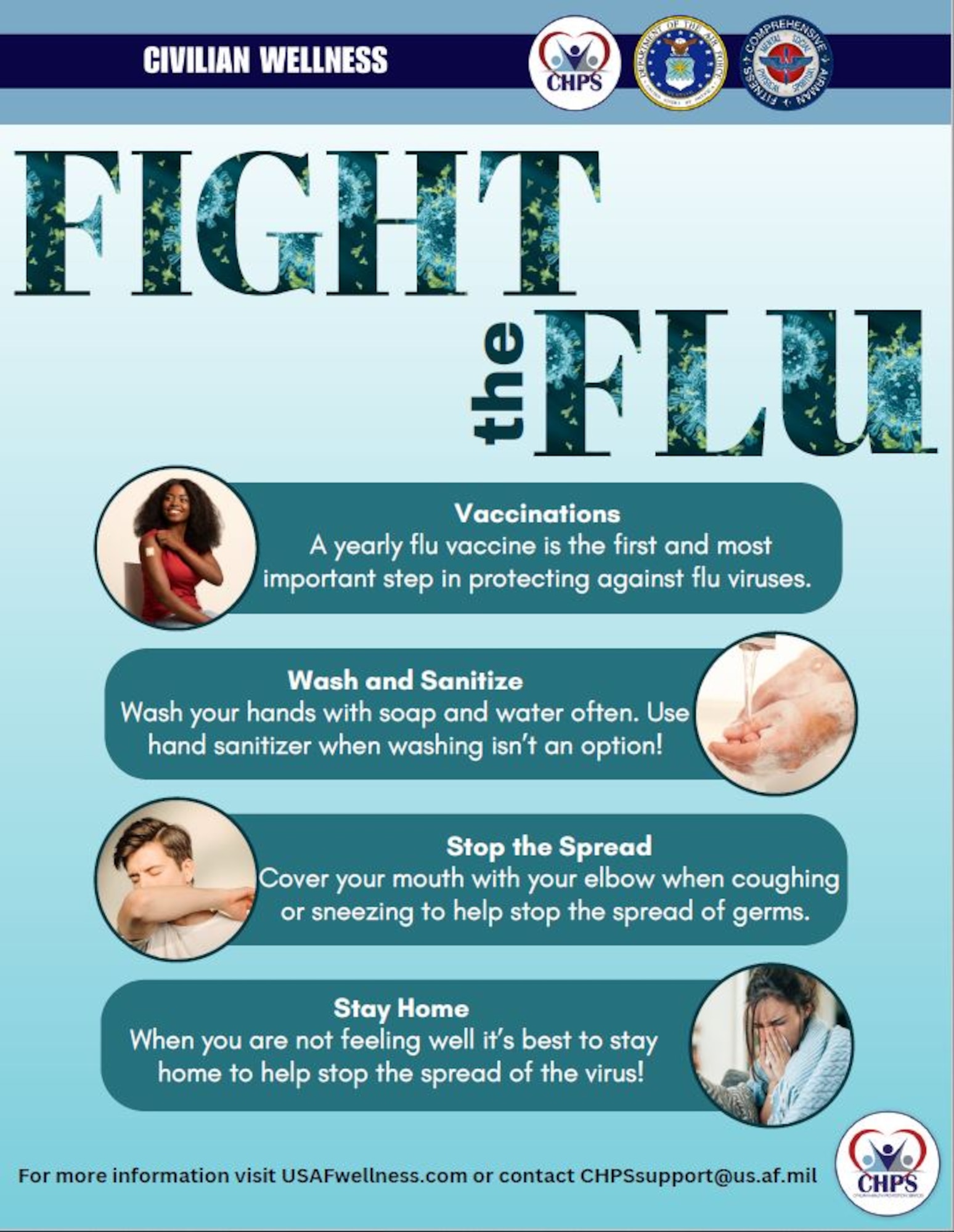
Environmental cleaning is one of the most practical yet often underestimated strategies in influenza prevention. While vaccination and personal hygiene receive much attention, the role of the physical environment in spreading influenza viruses is equally important. Influenza viruses can survive on surfaces for several hours, and in some cases longer depending on temperature and humidity. This means that objects we touch every day—such as desks, phones, doorknobs, and shared equipment—can become silent carriers of infection if not properly cleaned.
Influenza spreads primarily through respiratory droplets, but indirect transmission through contaminated surfaces (also called fomite transmission) plays a significant role, especially in crowded environments. When an infected person coughs or sneezes, droplets land on surfaces. Another person may then touch those surfaces and transfer the virus to their nose, mouth, or eyes. This chain of transmission makes environmental cleaning a critical layer of defense.
Effective environmental cleaning begins with understanding high-touch surfaces. These are objects and areas that are frequently touched by multiple people throughout the day. Examples include light switches, elevator buttons, handrails, desks, keyboards, computer mice, smartphones, and shared office equipment. In public places, high-touch surfaces also include ticket machines, public transport handles, shopping carts, and door handles. Because these surfaces are constantly exposed, they require more frequent cleaning than less-used areas.
Cleaning and disinfection are two different but complementary processes. Cleaning removes dirt, dust, and some microorganisms from surfaces, while disinfection kills or inactivates viruses and bacteria. For influenza prevention, both steps are important. A surface that is not properly cleaned before disinfection may still harbor organic material that reduces the effectiveness of disinfectants. Therefore, a proper routine usually involves cleaning first and then disinfecting.
Disinfectants containing alcohol (at least 70%), chlorine compounds, or hydrogen peroxide are commonly used to inactivate influenza viruses. These substances break down the virus’s outer structure, rendering it inactive. However, correct usage is essential. Disinfectants must remain on the surface for a specific contact time to be effective. Simply wiping and immediately drying may not be enough to kill the virus completely.
Homes are the first environment where influenza transmission often occurs. When one family member becomes infected, the virus can easily spread to others through shared spaces and objects. Regular cleaning of commonly used surfaces in the home, such as kitchen counters, bathroom fixtures, remote controls, and mobile devices, helps reduce household transmission. During flu season or when someone is sick, cleaning frequency should be increased significantly.
Schools are another critical environment for influenza control. Children interact closely, share materials, and often forget hygiene practices. Classrooms contain many high-touch surfaces that require daily cleaning. Desks, chairs, toys, and learning tools should be disinfected regularly. School sanitation programs are especially important during peak influenza seasons to prevent outbreaks that can spread quickly through student populations.
Workplaces also require structured cleaning protocols. Office environments often include shared equipment such as printers, computers, meeting tables, and kitchen areas. Without proper cleaning routines, these spaces can become hubs for virus transmission. Employers can reduce risk by implementing regular cleaning schedules, providing disinfecting supplies, and encouraging employees to maintain personal desk hygiene.
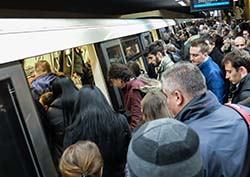
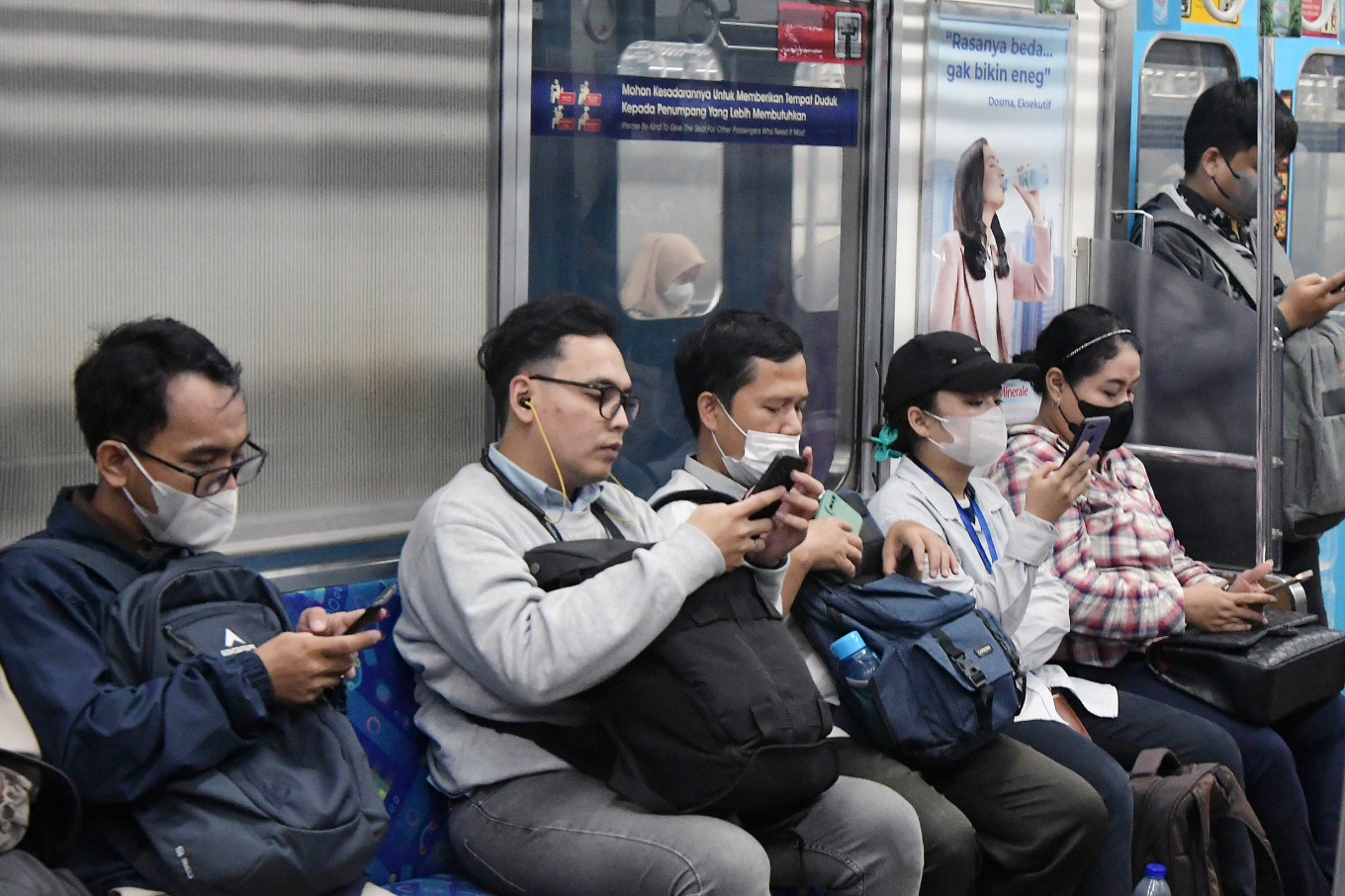
Public transportation systems present unique challenges for environmental cleaning due to high passenger turnover and constant use. Buses, trains, and airplanes require frequent sanitation of seats, handrails, and other surfaces. Transportation authorities often increase cleaning frequency during flu season to reduce transmission risks. However, personal hygiene practices such as handwashing and mask use remain essential complements to environmental cleaning in these settings.
Ventilation is closely related to environmental control. While cleaning focuses on surfaces, ventilation addresses airborne particles. Proper airflow helps reduce the concentration of virus-containing droplets in indoor spaces. Opening windows, using air filtration systems, and maintaining HVAC systems all contribute to a healthier indoor environment. Poor ventilation, on the other hand, allows viruses to accumulate in enclosed spaces, increasing infection risk.
Waste management is another important aspect of environmental hygiene. Used tissues, masks, and other potentially contaminated materials should be disposed of properly in closed bins. Leaving contaminated waste exposed increases the risk of further spread, especially in shared or public environments. Regular waste disposal and proper sanitation of bins help maintain cleanliness.
Technology has improved environmental cleaning practices in recent years. Automated cleaning systems, UV light disinfection devices, and antimicrobial surface coatings are increasingly being used in hospitals and public facilities. These innovations help reduce manual workload and improve consistency in cleaning procedures. However, they are most effective when combined with traditional cleaning methods.
Public awareness is also essential for environmental cleaning to be effective. Individuals must understand that cleanliness is not only the responsibility of cleaning staff but also of everyone using the space. Simple actions such as wiping personal devices, avoiding unnecessary touching of surfaces, and maintaining personal cleanliness contribute significantly to reducing transmission.
During influenza outbreaks, cleaning protocols are often intensified. This includes more frequent disinfection of public spaces, increased availability of sanitizing stations, and stricter hygiene guidelines. These measures help slow down transmission rates and protect vulnerable populations such as elderly individuals and those with chronic illnesses.
Environmental cleaning also has long-term benefits beyond influenza prevention. Regular sanitation reduces the spread of other infectious diseases such as norovirus, common cold viruses, and bacterial infections. A clean environment supports overall public health and improves quality of life.
In conclusion, environmental cleaning is a vital component of influenza prevention that works alongside vaccination, personal hygiene, and public health measures. By maintaining clean surfaces, improving ventilation, managing waste properly, and increasing awareness, communities can significantly reduce the spread of influenza viruses. A clean environment does not eliminate all risk, but it creates a strong barrier that limits transmission and protects both individuals and society as a whole.