Influenza Prevention Through Personal Awareness and Education
Influenza remains one of the most common respiratory infections worldwide, caused by influenza viruses that spread rapidly from person to person. Although medical advancements such as vaccines and antiviral medications have significantly improved prevention and treatment, personal awareness and education remain foundational elements in controlling the spread of the disease. Without adequate understanding of how influenza spreads and how it can be prevented, individuals are more likely to engage in behaviors that increase transmission risk. Therefore, education is not just supportive—it is essential.
Personal awareness begins with understanding what influenza actually is. Influenza is a contagious viral infection that primarily affects the respiratory system, including the nose, throat, and lungs. It is transmitted through respiratory droplets released when an infected person coughs, sneezes, talks, or even breathes in close proximity to others. These droplets can be inhaled directly or transferred indirectly when they land on surfaces that others touch. Many people mistakenly assume influenza is just a severe cold, but it can lead to serious complications such as pneumonia, bronchitis, sinus infections, and worsening of chronic diseases like asthma or heart conditions.
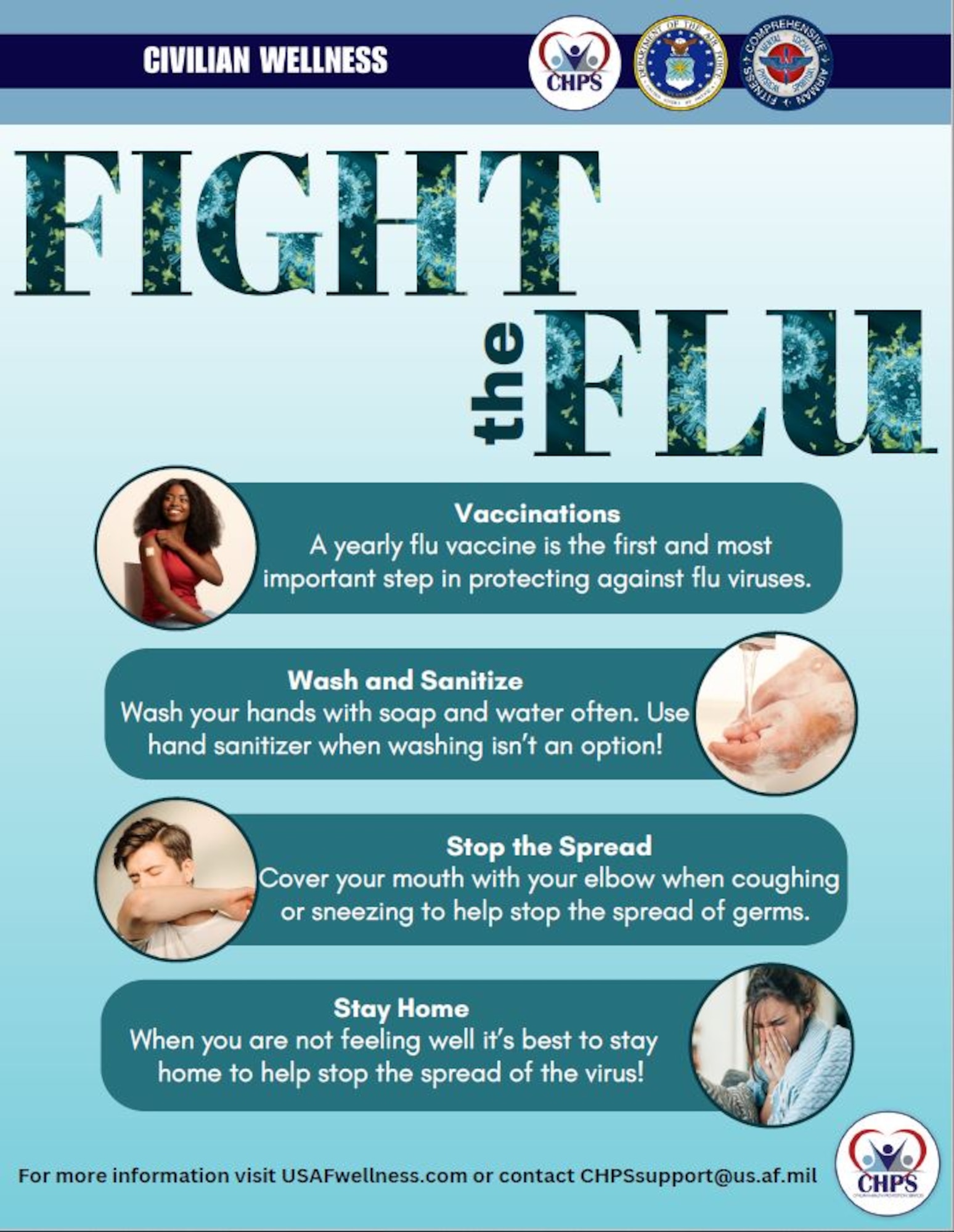
Education plays a critical role in correcting these misconceptions. When individuals understand that influenza can lead to hospitalization and even death in high-risk groups, they are more likely to take preventive measures seriously. Health education campaigns typically emphasize the importance of vaccination, hygiene practices, early symptom recognition, and responsible behavior during illness. These messages are most effective when repeated consistently through multiple channels such as schools, workplaces, healthcare facilities, and media platforms.
One of the most important aspects of personal awareness is recognizing symptoms early. Influenza symptoms often appear suddenly and may include high fever, chills, muscle aches, fatigue, cough, sore throat, and headaches. Early recognition is crucial because individuals are most contagious in the first few days of infection. When people are aware of these symptoms, they are more likely to stay home, seek medical advice, and avoid exposing others. This simple behavioral change can significantly reduce community transmission.
Another key element of education is understanding preventive behaviors. Many individuals know general hygiene rules but do not consistently apply them. For example, handwashing is one of the most effective ways to prevent influenza, yet it is often done incorrectly or infrequently. Proper education teaches not only the importance of handwashing but also the correct technique—washing with soap and water for at least 20 seconds, especially after coughing, sneezing, or touching shared surfaces.
Similarly, respiratory etiquette is a critical but often overlooked behavior. Covering the mouth and nose with a tissue or elbow when coughing or sneezing helps prevent the spread of infectious droplets. Education reinforces that used tissues should be disposed of immediately and hands should be washed afterward. These small actions, when practiced consistently across a population, can significantly reduce transmission rates.
Schools are one of the most effective environments for influenza education. Children are highly social and often spread viruses quickly within classrooms and households. Teaching children about hygiene, vaccination, and illness prevention at an early age helps build lifelong healthy habits. Interactive learning methods such as demonstrations, games, and visual reminders can make these lessons more engaging and effective.
Workplaces also play an important role in promoting awareness. Employees often work in close proximity, share equipment, and spend long hours indoors, making influenza spread more likely. Employers can support prevention by providing health education materials, encouraging sick leave policies, and offering vaccination programs. When workers are informed and supported, workplace outbreaks can be significantly reduced.
Community-based education programs further strengthen influenza prevention efforts. Public health organizations often conduct campaigns that target entire populations, especially during flu season. These campaigns use posters, television ads, social media, and community workshops to spread information. The goal is to create a shared understanding of influenza risks and prevention strategies.
Digital technology has greatly expanded the reach of health education. Online platforms allow health authorities to share real-time updates, prevention guidelines, and outbreak alerts. Social media can be particularly powerful in spreading awareness quickly. However, it also presents challenges, as misinformation can spread just as fast. Therefore, individuals must learn to distinguish between reliable health sources and false information.
Another important aspect of awareness is understanding vaccination. Many people avoid influenza vaccines due to fear, misinformation, or lack of knowledge. Education helps address these concerns by explaining how vaccines work, their safety, and their effectiveness in reducing severe illness. While vaccines may not always prevent infection completely, they significantly reduce the risk of complications and hospitalization.
Personal responsibility is closely tied to awareness. When individuals understand how their actions affect others, they are more likely to behave responsibly during illness. For example, someone with flu symptoms who stays home instead of going to work or school helps protect many others from infection. This sense of responsibility is a key outcome of effective health education.
Education also empowers individuals to make informed health decisions. Instead of relying on assumptions or rumors, people can evaluate symptoms, assess risks, and seek appropriate medical care. This reduces panic, delays in treatment, and unnecessary spread of infection.
Long-term behavioral change is the ultimate goal of influenza education. It is not enough for people to know what to do; they must consistently apply preventive behaviors in daily life. This includes regular hand hygiene, respiratory etiquette, vaccination, healthy lifestyle choices, and responsible social behavior during illness.
In conclusion, personal awareness and education are essential pillars of influenza prevention. While medical tools like vaccines and antiviral treatments are important, they are most effective when supported by informed behavior. Education empowers individuals to understand the disease, recognize symptoms early, adopt preventive habits, and act responsibly within their communities. By strengthening health literacy at all levels of society, we can significantly reduce the spread of influenza and protect vulnerable populations more effectively.