DASH Diet for Blood Pressure and Heart Health: A Complete Beginner’s Guide
The DASH diet, short for Dietary Approaches to Stop Hypertension, is a well-researched eating plan designed to reduce blood pressure and support cardiovascular health. It emphasizes fruits, vegetables, whole grains, lean proteins, and low-fat dairy while limiting sodium, added sugars, and unhealthy fats. Originally developed to help individuals with high blood pressure, the DASH diet has become a popular lifestyle choice for overall health and weight management.
The DASH diet works by providing a nutrient-rich, balanced approach to eating that supplies potassium, calcium, magnesium, and fiber—key nutrients that support healthy blood pressure. By focusing on whole foods and reducing processed items, it can also improve cholesterol levels, aid in weight loss, and enhance energy levels.
Benefits of the DASH Diet
Some of the main benefits of following the DASH diet include:
- Helps lower high blood pressure and maintain healthy levels.
- Supports heart health by reducing LDL cholesterol and improving overall lipid profile.
- Promotes weight management through nutrient-dense, low-calorie foods.
- Reduces risk of chronic diseases such as diabetes, stroke, and heart disease.
- Improves energy and overall wellness by focusing on balanced meals.
- Encourages sustainable, long-term healthy eating habits.
Foods to Include in the DASH Diet
The DASH diet emphasizes nutrient-rich foods:
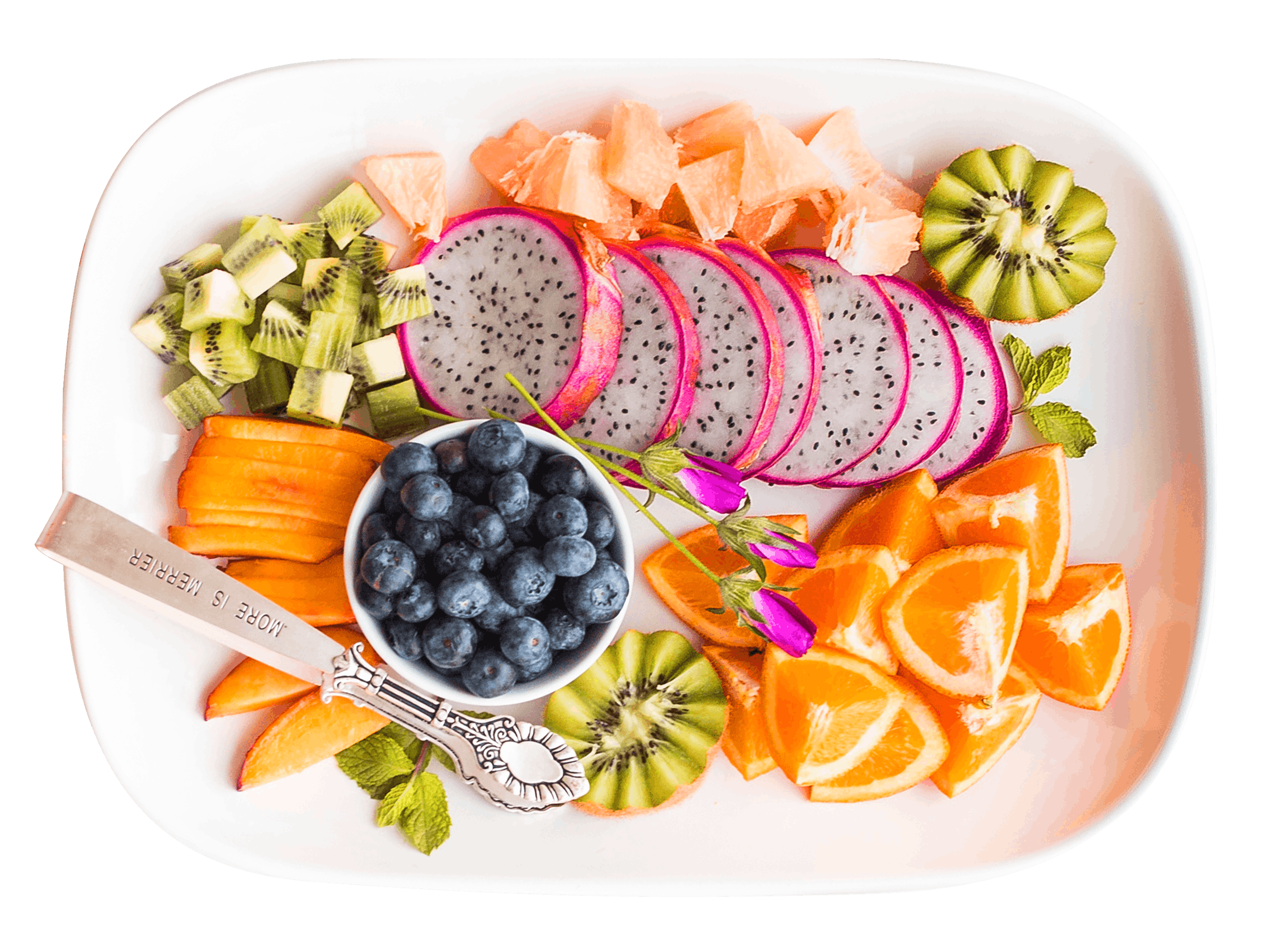
- Fruits: apples, oranges, berries, bananas, and melons, rich in potassium and antioxidants.
- Vegetables: leafy greens, broccoli, carrots, peppers, and tomatoes for fiber and vitamins.
- Whole grains: oats, quinoa, brown rice, whole wheat bread, and barley for sustained energy.
- Lean proteins: chicken, turkey, fish, beans, lentils, and tofu for muscle health.
- Low-fat dairy: milk, yogurt, and cheese for calcium and vitamin D.
- Nuts and seeds: almonds, walnuts, sunflower seeds, and flaxseeds for healthy fats.
Foods to Limit or Avoid
- High-sodium foods: processed meats, canned soups, fast food, and salty snacks.
- Sugary beverages and sweets: soda, candy, pastries, and desserts.
- Refined grains: white bread, white rice, and pasta without added fiber.
- Unhealthy fats: fried foods, margarine, and hydrogenated oils.
Sample DASH Meal Ideas
Here are some examples of balanced meals following the DASH principles:
- Breakfast: oatmeal with fresh berries, walnuts, and a splash of low-fat milk.
- Lunch: grilled chicken salad with mixed greens, cucumbers, tomatoes, and olive oil-lemon dressing.
- Dinner: baked salmon with quinoa and steamed broccoli.
- Snacks: baby carrots with hummus, fresh fruit, or a small handful of almonds.
Tips for Success
- Plan meals to include a variety of fruits, vegetables, and whole grains daily.
- Limit salt intake by choosing fresh, unprocessed foods and using herbs and spices for flavor.
- Monitor portion sizes to support weight management.
- Incorporate physical activity to enhance cardiovascular benefits.
- Gradually replace processed snacks and sugary foods with nutrient-dense alternatives.
- Track progress and adjust meals to maintain long-term adherence.
Potential Challenges
Some individuals may find it difficult to reduce sodium or adjust to whole-grain foods initially. Meal prepping, reading labels, and experimenting with herbs and spices can make the transition smoother. Consistency and gradual changes help overcome challenges while maintaining enjoyment of meals.
Conclusion
The DASH diet is an evidence-based, flexible eating pattern that promotes heart health, reduces blood pressure, and supports weight management. By focusing on fruits, vegetables, whole grains, lean proteins, and low-fat dairy while limiting sodium and processed foods, individuals can achieve long-term health benefits. Consistent adherence, meal planning, and mindful eating are key to maximizing the advantages of this diet for overall wellness.