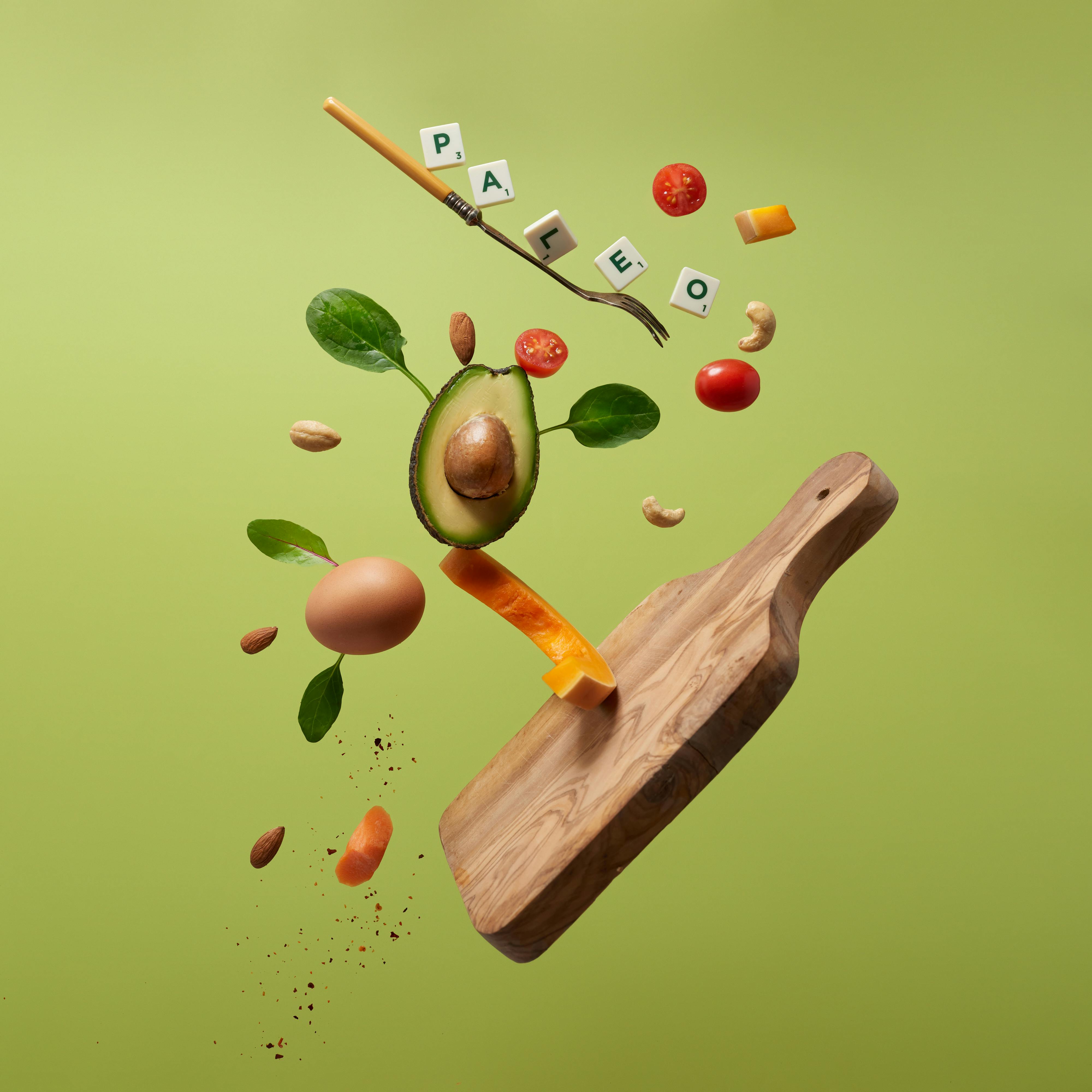
Paleo Diet for Health and Weight Loss: A Complete Beginner’s Guide
The Paleo diet, often called the “caveman diet,” is based on the premise of eating like our ancestors during the Paleolithic era. It emphasizes whole, unprocessed foods such as lean meats, fish, vegetables, fruits, nuts, and seeds, while avoiding grains, legumes, dairy, and processed foods. The goal is to consume nutrient-dense, natural foods to improve health, promote weight loss, and support overall wellness.
By focusing on protein-rich foods, healthy fats, and low-glycemic carbohydrates, the Paleo diet can help regulate blood sugar, reduce inflammation, and preserve lean muscle mass. It encourages mindful eating, home-cooked meals, and a balanced approach to nutrition rather than restrictive calorie counting.
Benefits of the Paleo Diet
Some of the key benefits of following a Paleo diet include:
- Promotes weight loss by emphasizing protein and healthy fats, which increase satiety.
- Supports muscle maintenance and recovery through high-quality protein sources.
- Reduces inflammation by eliminating processed foods, refined sugars, and unhealthy fats.
- Improves blood sugar regulation and insulin sensitivity.
- Enhances energy levels and overall wellness by providing nutrient-dense foods.
- Encourages mindful eating and home-cooked meals for better portion control and food quality.
Foods to Include in the Paleo Diet
The Paleo diet focuses on whole, minimally processed foods, including:
- Lean meats: beef, chicken, turkey, lamb, and game meats.
- Fish and seafood: salmon, tuna, sardines, and shrimp for omega-3 fatty acids.
- Vegetables: leafy greens, broccoli, cauliflower, zucchini, bell peppers, and carrots.
- Fruits: berries, apples, oranges, bananas, and melons for antioxidants and natural sugars.
- Nuts and seeds: almonds, walnuts, cashews, sunflower seeds, and pumpkin seeds.
- Healthy fats: avocado, olive oil, coconut oil, and ghee.
- Eggs: whole eggs for high-quality protein and nutrients.
Foods to Limit or Avoid
- Grains: wheat, rice, oats, and corn.
- Legumes: beans, lentils, peanuts, and soy products.
- Dairy: milk, cheese, yogurt, and butter (except ghee in moderation).
- Processed foods: snacks, candies, pastries, and fast foods.
- Refined sugars and artificial sweeteners.
Sample Paleo Meal Ideas
Here are some examples of meals that align with the Paleo diet:
- Breakfast: scrambled eggs with spinach, tomatoes, and avocado slices.
- Lunch: grilled chicken salad with mixed greens, cucumber, bell peppers, and olive oil dressing.
- Dinner: baked salmon with roasted zucchini, cauliflower, and carrots.
- Snacks: almonds, walnuts, or sliced vegetables with guacamole.
Tips for Success
- Plan meals ahead to ensure a variety of nutrients and avoid processed foods.
- Focus on whole, unprocessed foods and avoid packaged alternatives claiming to be “Paleo-friendly.”
- Include a balance of protein, fats, and vegetables for satiety and energy.
- Stay hydrated and consider electrolyte intake if physically active.
- Experiment with herbs and spices to enhance flavor without added sugar or salt.
Potential Challenges
Some individuals may find it challenging to eliminate grains, legumes, and dairy initially. Preparing meals in advance, exploring plant-based protein alternatives, and gradually adjusting eating habits can help overcome these challenges. Focus on nutrient-dense, flavorful meals to ensure long-term adherence and health benefits.
Conclusion
The Paleo diet is a whole-food, nutrient-rich eating pattern designed to improve health, support weight loss, and enhance energy. By focusing on lean meats, fish, vegetables, fruits, nuts, and healthy fats, and avoiding processed foods, grains, and dairy, individuals can achieve sustainable health improvements. Planning, variety, and mindful eating are key for long-term success and overall wellness.