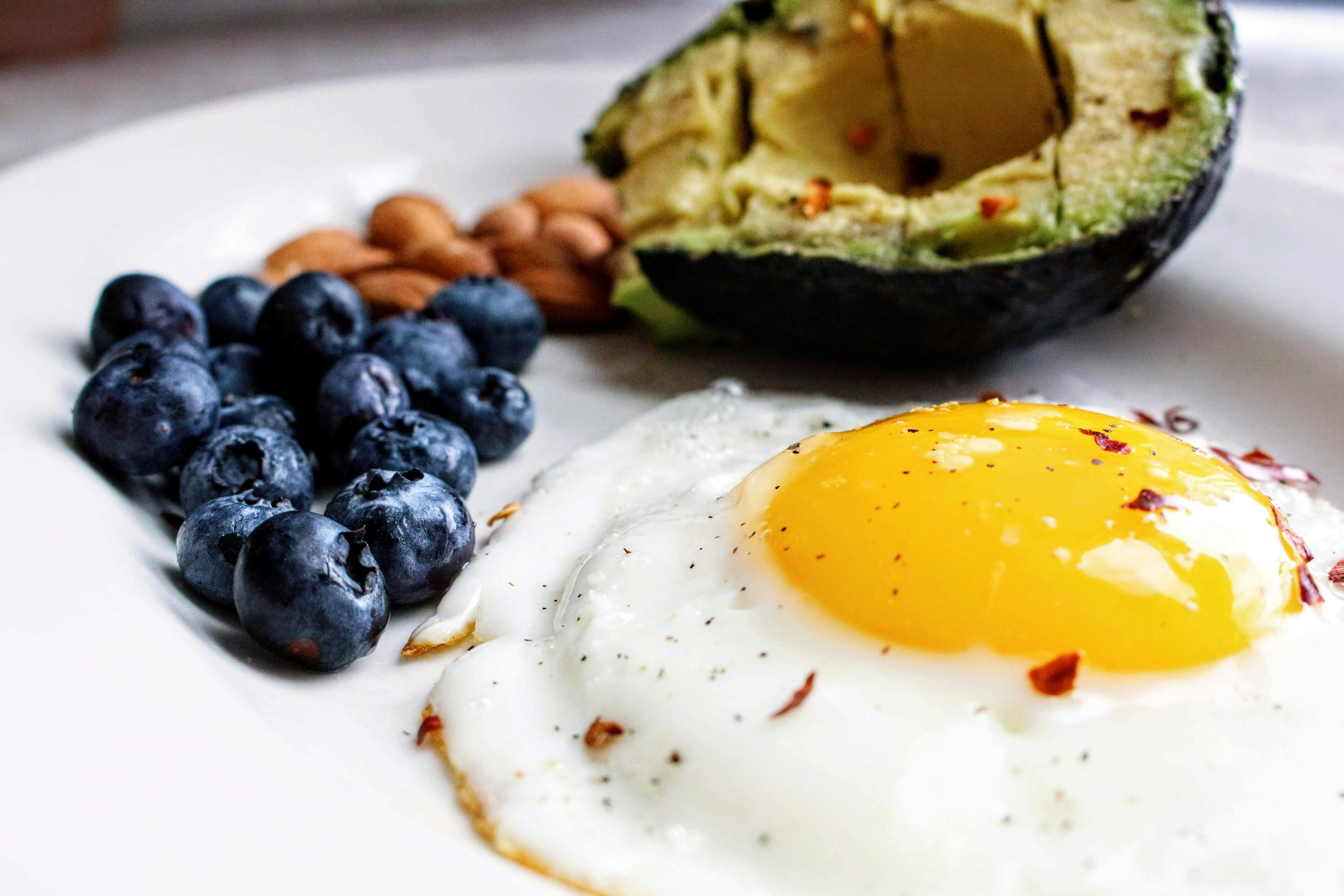
High-Protein Diet for Muscle, Weight Loss, and Overall Health: A Complete Guide
A high-protein diet emphasizes the consumption of protein-rich foods to support muscle growth, weight management, and overall health. Protein is essential for repairing tissues, building muscle, regulating hormones, and supporting immune function. This diet is popular among athletes, fitness enthusiasts, and individuals looking to improve satiety and manage body weight.
By combining a high-protein intake with balanced carbohydrates, healthy fats, and regular exercise, individuals can achieve better body composition, reduce cravings, and maintain energy levels throughout the day. Unlike restrictive diets, a high-protein approach focuses on nutrient-rich foods that provide sustained fullness and essential nutrients.
Benefits of a High-Protein Diet
Research shows several advantages of a high-protein diet:
- Supports muscle growth and maintenance, especially during exercise or aging.
- Promotes weight loss by increasing satiety and reducing overall calorie intake.
- Boosts metabolism due to the higher thermic effect of protein compared to fats and carbohydrates.
- Helps regulate blood sugar levels by slowing carbohydrate absorption.
- Supports overall wellness, including hormone regulation, immune function, and tissue repair.
- Encourages consumption of nutrient-dense foods over processed options.
High-Protein Foods to Include
Key sources of protein include both animal and plant-based options:
- Lean meats: chicken, turkey, lean beef, and pork.
- Fish and seafood: salmon, tuna, shrimp, and cod.
- Eggs and dairy: eggs, Greek yogurt, cottage cheese, and low-fat milk.
- Plant-based proteins: tofu, tempeh, edamame, lentils, and chickpeas.
- Nuts and seeds: almonds, peanuts, chia seeds, pumpkin seeds, and sunflower seeds.
- Protein powders (optional): whey, casein, pea, or soy protein to supplement intake.
Foods to Limit or Avoid
- Highly processed foods with low protein content.
- Excessive refined carbs like pastries, white bread, and sugary snacks.
- Fried foods and unhealthy fats from processed meats.
- Sugary beverages including soda, fruit juices, and energy drinks.
- Overconsumption of high-fat, low-nutrient protein sources.
Sample High-Protein Meal Ideas
Here are some meal examples for a high-protein diet:
- Breakfast: scrambled eggs with spinach, tomatoes, and a side of Greek yogurt.
- Lunch: grilled chicken breast with quinoa, roasted broccoli, and olive oil.
- Dinner: baked salmon with asparagus and lentil salad.
- Snacks: protein smoothie, boiled eggs, or almonds and pumpkin seeds.
Tips for Success
- Include protein in every meal to maintain satiety and muscle health.
- Balance protein intake with complex carbohydrates and healthy fats.
- Plan meals and snacks to avoid nutrient deficiencies.
- Monitor total protein intake to match your activity level and goals.
- Combine with resistance training to maximize muscle growth and fat loss.
- Stay hydrated to support metabolism and kidney health.
Potential Challenges
Some individuals may find it difficult to meet protein goals without planning meals properly. Excessive protein intake without balance may strain kidneys in vulnerable individuals. Incorporating variety, hydration, and nutrient-dense foods ensures long-term success and prevents monotony.
Conclusion
A high-protein diet is an effective strategy for weight management, muscle growth, and overall wellness. By prioritizing lean meats, fish, eggs, dairy, legumes, and plant-based proteins, individuals can achieve sustained satiety, improved metabolism, and better body composition. Careful planning, balanced meals, and regular exercise are key to maximizing the benefits of this diet for long-term health.