Preventing Catastrophic Diseases Through Healthy Lifestyle and Early Detection
Catastrophic diseases such as heart disease, cancer, stroke, and chronic kidney failure are among the leading causes of death worldwide. These conditions not only affect an individual’s quality of life but also place a significant financial burden on families and healthcare systems. While these diseases are often severe, many of them can be prevented or managed effectively through lifestyle changes and early detection.
Prevention begins with understanding the risk factors associated with catastrophic diseases. Some risk factors, such as age and genetics, cannot be controlled. However, many others—like diet, physical activity, smoking, and alcohol consumption—are modifiable. By addressing these controllable factors, individuals can significantly reduce their risk of developing serious health conditions.
A healthy diet plays a crucial role in disease prevention. Consuming foods rich in nutrients, such as fruits, vegetables, whole grains, and lean proteins, helps maintain optimal body function and strengthens the immune system. On the other hand, diets high in saturated fats, sugar, and processed foods increase the risk of obesity, diabetes, and cardiovascular diseases.
Regular physical activity is equally important. Exercise helps maintain a healthy weight, improves cardiovascular health, and reduces stress levels. Even moderate activities such as walking or cycling for at least 30 minutes a day can have a significant impact on overall health.
Avoiding harmful habits is another key aspect of prevention. Smoking is a major risk factor for lung cancer, heart disease, and stroke. Similarly, excessive alcohol consumption can lead to liver disease and other serious health problems. Eliminating or reducing these habits can greatly lower the risk of catastrophic diseases.
Early detection through regular health screenings is essential. Many catastrophic diseases develop silently without noticeable symptoms in their early stages. Routine check-ups, blood tests, and screenings can help identify potential health issues before they become severe. Early diagnosis often leads to more effective treatment and better outcomes.
- Maintain a healthy and balanced diet rich in fruits, vegetables, and whole grains.
- Engage in regular physical activity for at least 30 minutes daily.
- Avoid smoking and limit alcohol consumption to reduce major health risks.
- Monitor key health indicators such as blood pressure, blood sugar, and cholesterol levels.
- Schedule regular medical check-ups for early detection of potential diseases.
Stress management is also an important factor in preventing catastrophic diseases. Chronic stress can negatively affect the body, leading to high blood pressure, weakened immunity, and increased risk of heart disease. Techniques such as meditation, deep breathing, and maintaining a healthy work-life balance can help manage stress effectively.
Adequate sleep is often overlooked but plays a critical role in maintaining health. Poor sleep quality is linked to various health issues, including obesity, diabetes, and cardiovascular diseases. Adults should aim for 7–9 hours of quality sleep each night to support overall well-being.
Community awareness and education also contribute to prevention efforts. When individuals are informed about the risks and preventive measures, they are more likely to adopt healthier lifestyles. Public health campaigns and accessible healthcare services play a vital role in promoting disease prevention.
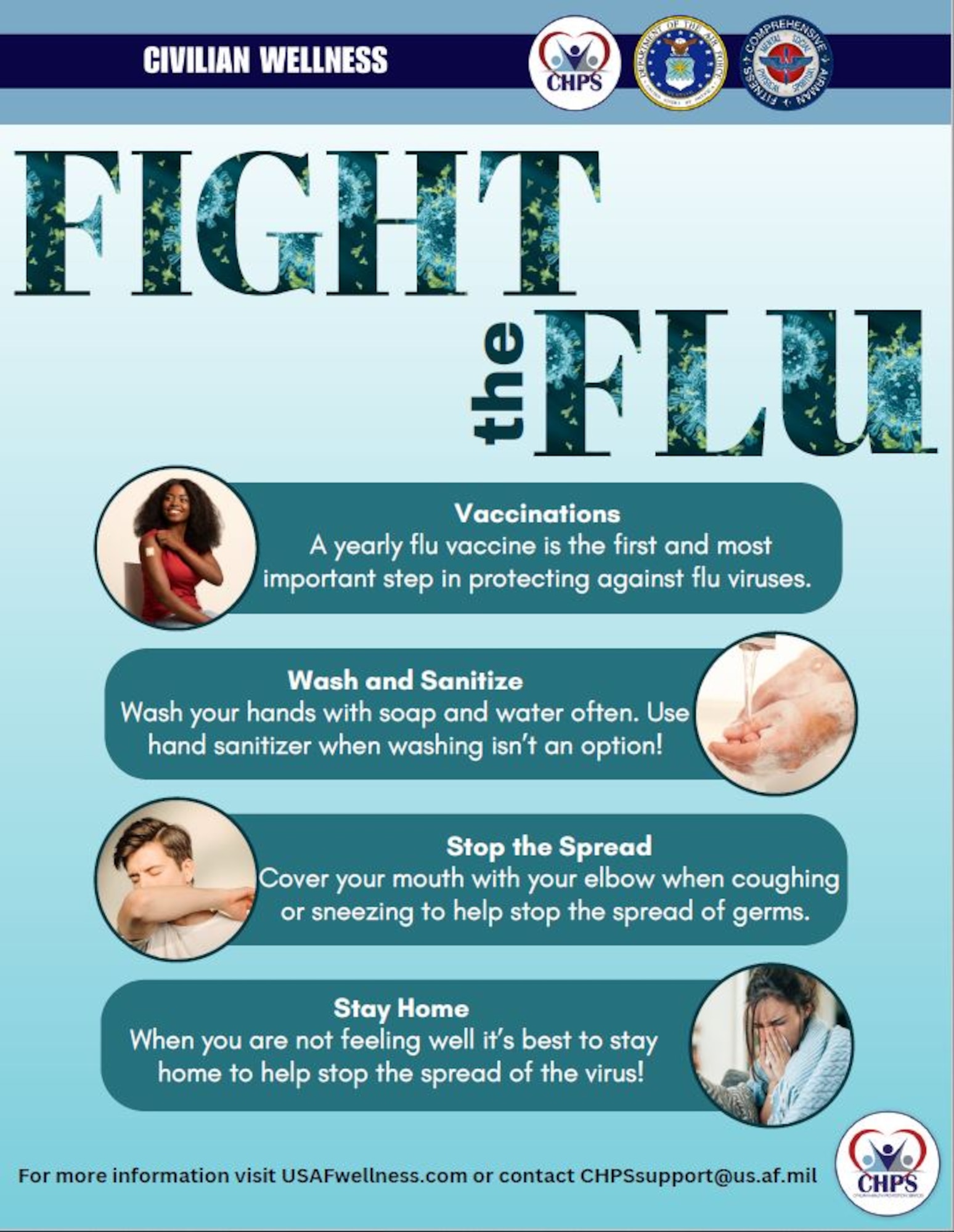
In addition, vaccinations can prevent certain diseases that may lead to severe complications. For example, vaccines for hepatitis and human papillomavirus (HPV) can reduce the risk of liver and cervical cancers. Staying up to date with recommended vaccinations is an important preventive measure.
In conclusion, preventing catastrophic diseases requires a proactive approach that combines healthy lifestyle choices, regular medical check-ups, and increased awareness. By taking small but consistent steps, individuals can significantly reduce their risk of developing life-threatening conditions. Prevention is not only more effective but also more affordable than treatment, making it a crucial aspect of long-term health and well-being.