Strategies to Prevent Catastrophic Diseases Through Lifestyle and Early Intervention
Catastrophic diseases, such as heart disease, stroke, certain cancers, and organ failures, are among the leading causes of death globally. These conditions often result in severe physical, emotional, and financial burdens for individuals and families. While genetics and environmental factors play a role, lifestyle choices and early medical interventions can significantly reduce the risk of developing such life-threatening conditions.
The first step in preventing catastrophic diseases is awareness of risk factors. Poor diet, physical inactivity, smoking, excessive alcohol consumption, and unmanaged stress are some of the most significant modifiable contributors. By addressing these factors, individuals can greatly improve their chances of avoiding severe illnesses.
Nutrition is central to disease prevention. A diet rich in whole grains, fruits, vegetables, lean proteins, and healthy fats provides essential nutrients that support the immune system, maintain healthy weight, and reduce inflammation. Conversely, diets high in sugar, saturated fats, and processed foods can lead to obesity, high cholesterol, and increased risk of heart disease and diabetes.
Regular physical activity strengthens the body and reduces vulnerability to catastrophic diseases. Exercise improves cardiovascular health, enhances metabolism, and strengthens muscles and bones. Even moderate activities like walking, swimming, or cycling for 30–60 minutes daily can have profound protective effects.
- Eat a balanced diet emphasizing vegetables, fruits, whole grains, and lean protein sources.
- Exercise consistently with a mix of cardio, strength, and flexibility workouts.
- Avoid smoking and limit alcohol to lower risks of cancer and organ damage.
- Monitor health regularly with check-ups for blood pressure, blood sugar, cholesterol, and organ function.
- Manage stress through meditation, mindfulness, or therapy to protect heart and mental health.
Early detection plays a pivotal role in preventing the progression of catastrophic diseases. Routine screenings and diagnostic tests allow healthcare providers to identify problems before they become severe. Conditions like hypertension, high cholesterol, diabetes, and certain cancers often remain silent until advanced stages, making preventive check-ups vital.
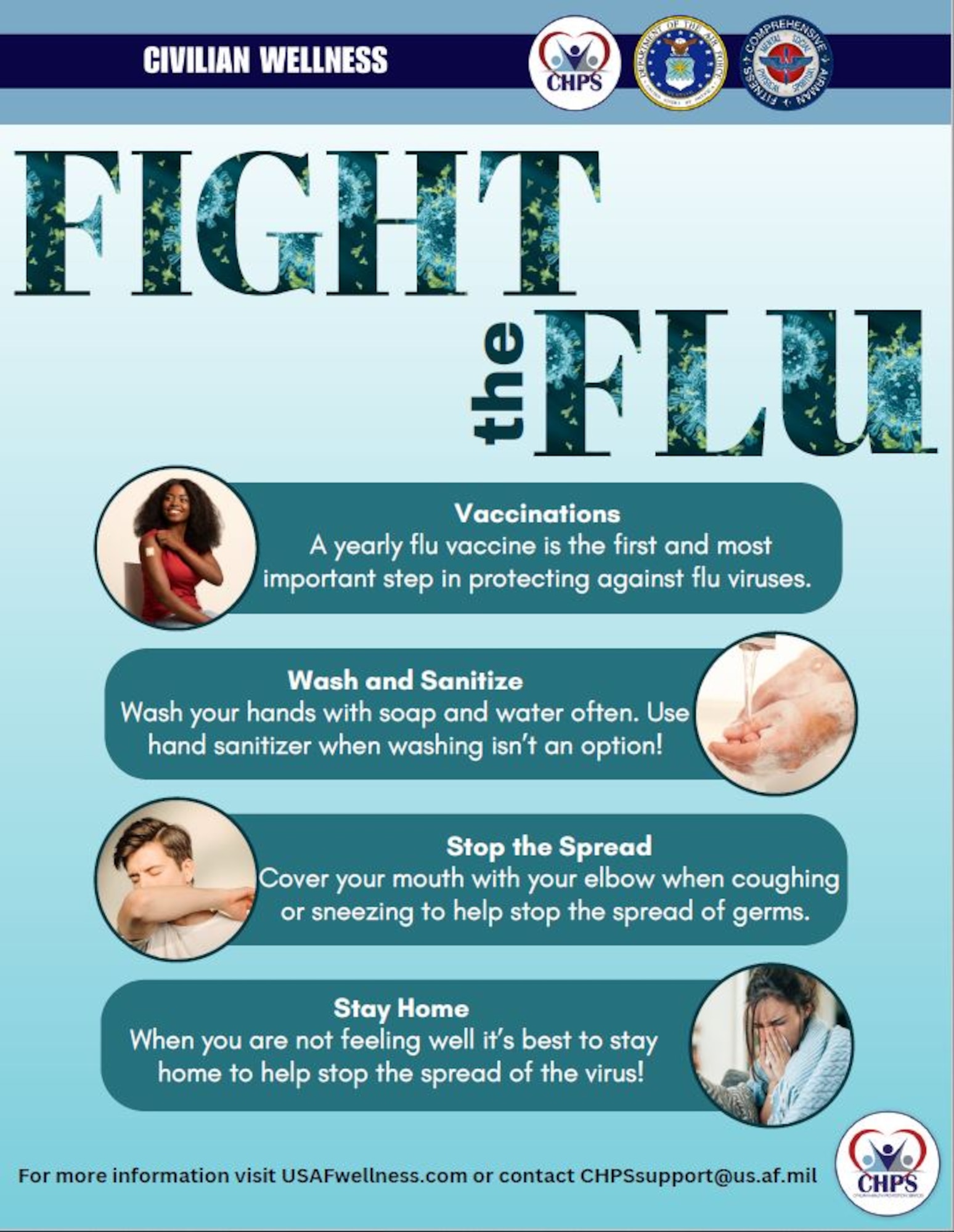
Vaccinations and preventive medical care also contribute to risk reduction. Immunizations can prevent infections that may lead to serious health complications, such as hepatitis leading to liver disease. Medical interventions, when applied early, can slow disease progression and improve survival rates.
Mental well-being is equally important. Chronic stress, anxiety, and depression can increase the risk of heart disease and other life-threatening conditions. Practices such as mindfulness, yoga, and maintaining supportive social relationships improve mental resilience and overall health.
Public health education is essential for community-level prevention. Awareness campaigns about healthy lifestyles, risk factors, and early warning signs empower individuals to take control of their health. When people are informed, they are more likely to make healthier choices and seek timely medical attention.
In conclusion, preventing catastrophic diseases requires a multi-faceted approach that combines healthy lifestyle choices, early detection, stress management, and community awareness. While not all diseases are entirely preventable, proactive strategies significantly reduce risk and enhance quality of life. Prioritizing prevention is far more effective than treating advanced conditions, making it a critical element of long-term health planning.