The Importance of Influenza Prevention in Everyday Life
Influenza, commonly known as the flu, is one of the most common infectious diseases affecting people around the world every year. It is caused by influenza viruses that attack the respiratory system, including the nose, throat, and lungs. Although many people consider influenza a minor illness, it can actually lead to serious complications, especially among vulnerable populations such as children, older adults, pregnant women, and individuals with chronic medical conditions. Because influenza spreads quickly from person to person, prevention is one of the most effective ways to reduce infections, hospitalizations, and deaths.
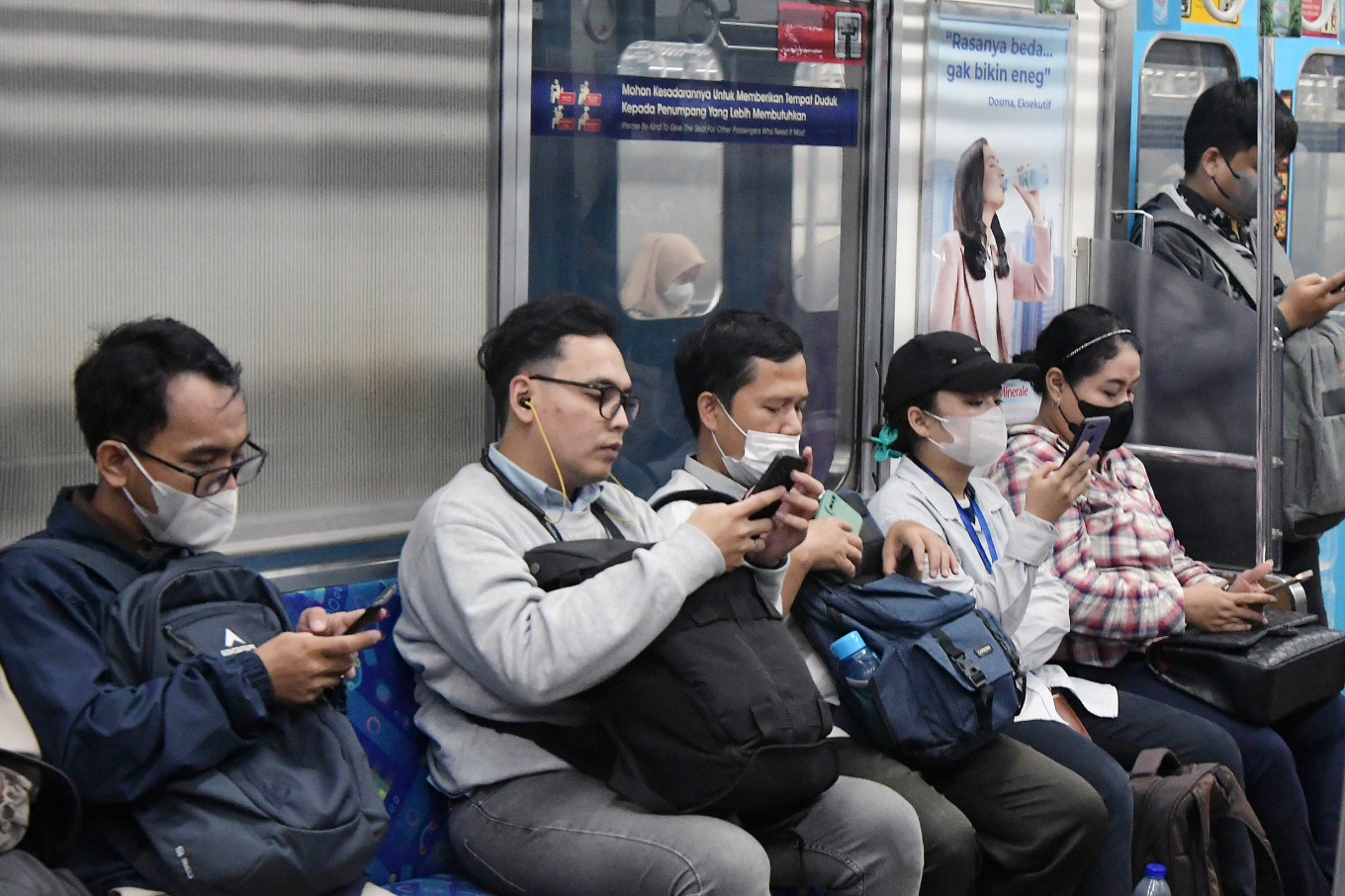
Influenza viruses spread mainly through respiratory droplets released when infected individuals cough, sneeze, laugh, or even talk. These droplets can land on surfaces or be inhaled by people nearby. In crowded places such as schools, offices, public transportation, and shopping centers, the virus can spread rapidly within a short period of time. As a result, influenza prevention should not only be viewed as an individual responsibility but also as a collective effort to protect communities and public health.
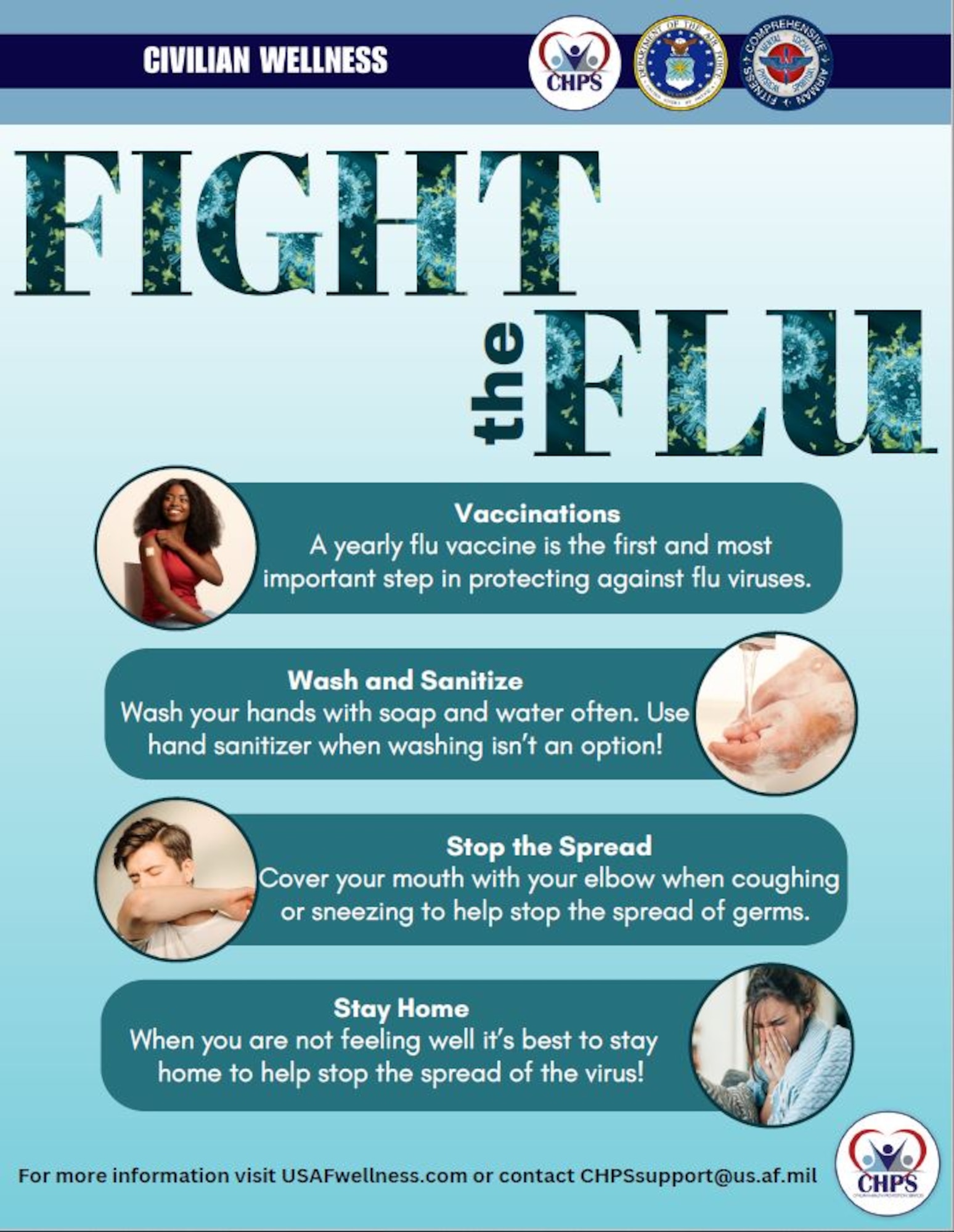
One of the most effective methods of influenza prevention is annual vaccination. Health experts and medical organizations strongly recommend receiving a flu vaccine every year because influenza viruses constantly change and evolve. Scientists monitor virus strains worldwide and develop updated vaccines designed to provide protection against the most common strains expected during the flu season. Although the vaccine may not guarantee complete immunity, it significantly reduces the risk of severe illness, hospitalization, and complications. In many cases, vaccinated individuals who still contract influenza experience milder symptoms and recover more quickly compared to unvaccinated individuals.
Vaccination is particularly important for high-risk groups. Older adults often have weaker immune systems, making it harder for their bodies to fight infections. Young children are also vulnerable because their immune systems are still developing. Pregnant women face higher risks of complications due to changes in the immune and respiratory systems during pregnancy. Individuals with chronic diseases such as diabetes, asthma, heart disease, or kidney disorders may also experience severe influenza complications. By receiving annual flu vaccines, these groups can better protect themselves against potentially dangerous outcomes.
In addition to vaccination, proper hand hygiene is one of the simplest and most effective ways to prevent influenza. Influenza viruses can survive on surfaces for several hours, making it easy for people to become infected after touching contaminated objects such as door handles, elevator buttons, mobile phones, keyboards, or desks. Washing hands regularly with soap and running water for at least twenty seconds helps remove germs and reduces the risk of infection. Health experts recommend washing hands before eating, after coughing or sneezing, after using public transportation, and after touching shared surfaces.
When soap and water are not available, alcohol-based hand sanitizers can serve as effective alternatives. Sanitizers containing at least sixty percent alcohol can kill many harmful microorganisms, including influenza viruses. However, hand sanitizers should not completely replace handwashing because washing with soap and water remains more effective in removing dirt and germs. Developing regular hand hygiene habits can significantly reduce the spread of influenza in homes, schools, and workplaces.
Another important preventive measure is practicing good respiratory etiquette. People should cover their mouths and noses with tissues or their elbows when coughing or sneezing. This simple action helps prevent respiratory droplets from spreading into the air and infecting others nearby. Used tissues should be thrown away immediately, and hands should be washed afterward. Unfortunately, many people ignore proper respiratory etiquette, contributing to the rapid spread of influenza during flu seasons. Public awareness campaigns and educational programs can help encourage healthier habits among communities.
Avoiding close contact with sick individuals is another useful strategy for reducing influenza transmission. During flu season, individuals should be cautious in crowded environments where viruses can spread easily. If someone in the household becomes sick, family members should take preventive measures such as cleaning shared surfaces, improving ventilation, and minimizing direct physical contact when possible. In some cases, wearing masks can provide additional protection, especially in healthcare settings or crowded indoor environments.
Maintaining a healthy lifestyle also plays a major role in influenza prevention. A strong immune system helps the body fight infections more effectively. Consuming a balanced diet rich in fruits, vegetables, whole grains, and lean proteins provides essential vitamins and nutrients that support immune function. Foods rich in vitamin C, vitamin D, and zinc are particularly beneficial for maintaining overall health and resistance to illness.
Regular physical activity also contributes to stronger immunity. Exercise improves blood circulation, allowing immune cells to move more efficiently throughout the body. Moderate exercise such as walking, jogging, cycling, or swimming for at least thirty minutes several times a week can improve physical health and reduce stress. However, excessive exercise without proper rest may weaken the immune system, so balance is important.
Adequate sleep is equally essential for maintaining good health and preventing influenza. During sleep, the body repairs tissues, restores energy, and produces proteins that support immune function. Adults generally need seven to nine hours of quality sleep each night, while children and teenagers may require more. Sleep deprivation weakens the immune system and increases susceptibility to infections, including influenza.
Stress management is another important aspect of prevention. Chronic stress can negatively affect immune responses and reduce the body’s ability to fight viruses. Activities such as meditation, yoga, deep breathing exercises, and spending time with loved ones can help reduce stress levels and improve emotional well-being. Maintaining mental health is closely connected to physical health, especially during periods of widespread illness.
Cleaning and disinfecting frequently touched surfaces is another effective preventive strategy. Influenza viruses can survive on objects and surfaces for extended periods, allowing infections to spread through indirect contact. Regularly cleaning phones, keyboards, countertops, remote controls, and other commonly used items can reduce virus transmission. Schools, offices, and public facilities should establish regular cleaning routines during flu season.
Staying home when feeling sick is one of the most responsible actions individuals can take. Many people continue attending work or school despite experiencing flu symptoms, unintentionally spreading the virus to others. Resting at home not only supports faster recovery but also protects coworkers, classmates, and the broader community from infection. Employers and schools should encourage supportive policies that allow sick individuals to stay home without fear of penalties.
Public education and awareness are crucial for successful influenza prevention. Governments, healthcare organizations, and schools should provide accurate information about vaccines, hygiene, symptoms, and healthy behaviors. Misinformation and myths about influenza vaccines often discourage people from receiving protection. Educational campaigns can help address misconceptions and encourage evidence-based decision-making.
Technology also plays a growing role in influenza prevention. Health apps, online medical consultations, and digital public health campaigns allow people to access reliable information quickly. During outbreaks, governments and health agencies can use technology to monitor infection patterns and provide updates to communities.
In conclusion, influenza prevention requires a combination of vaccination, hygiene practices, healthy lifestyle habits, and social responsibility. Preventive measures such as handwashing, vaccination, respiratory etiquette, adequate sleep, proper nutrition, exercise, and staying home while sick all contribute to reducing the spread of influenza. Because influenza affects millions of people every year, prevention remains one of the most effective tools for protecting individuals and communities. By adopting healthy habits and supporting public health initiatives, society can reduce the impact of influenza and create safer, healthier environments for everyone.