The Role of Hand Hygiene in Influenza Prevention
Hand hygiene is one of the simplest yet most powerful methods for preventing the spread of influenza. Although influenza viruses mainly spread through respiratory droplets produced when infected individuals cough, sneeze, or talk, contaminated hands and surfaces also play a major role in transmission. Every day, people touch countless objects such as door handles, phones, keyboards, desks, money, and public transportation surfaces. If these objects are contaminated with influenza viruses, touching the face afterward can easily lead to infection. Because of this, proper hand hygiene has become one of the most important public health recommendations during flu season.
Influenza viruses can survive on surfaces for several hours depending on environmental conditions. Studies have shown that viruses may remain active on hard surfaces such as plastic and metal long enough to infect individuals who touch those surfaces later. Since people often touch their eyes, nose, and mouth unconsciously throughout the day, contaminated hands can quickly transfer viruses into the body. Proper handwashing interrupts this chain of transmission and significantly reduces infection risks.
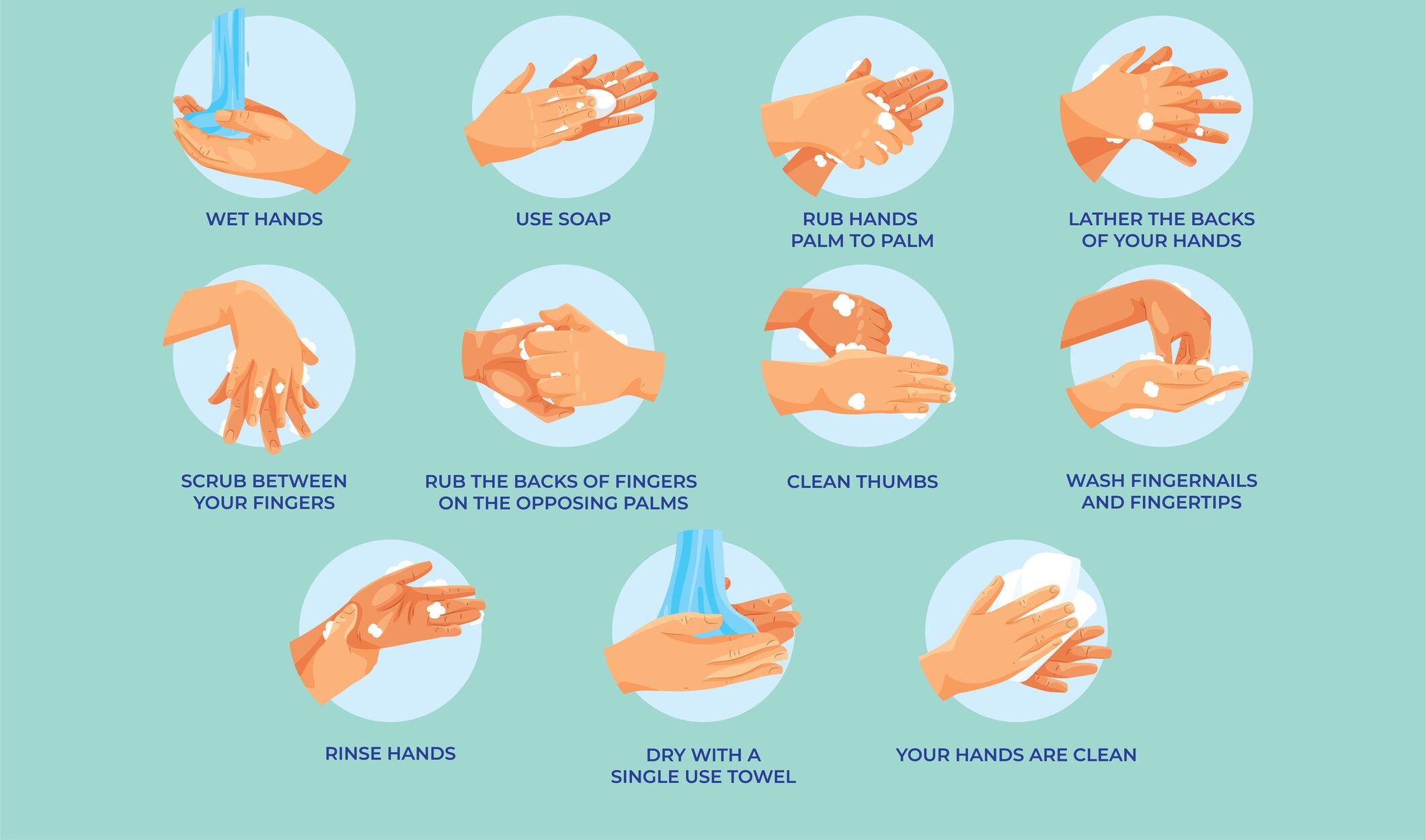
Health experts recommend washing hands frequently with soap and clean running water for at least twenty seconds. Soap works by breaking down oils and removing dirt, bacteria, and viruses from the skin. Washing hands thoroughly, including the palms, backs of hands, fingers, fingernails, and wrists, ensures that harmful microorganisms are effectively removed. Although warm water is commonly recommended, clean running water of any temperature can still provide effective cleaning when combined with soap.
Many people underestimate the importance of proper handwashing techniques. Simply rinsing hands quickly with water is not enough to remove viruses effectively. Handwashing should involve rubbing all hand surfaces together thoroughly while using soap. Singing a short song or counting slowly to twenty can help ensure enough time is spent washing hands properly. After washing, hands should be dried using a clean towel, disposable paper towel, or air dryer because wet hands may transfer germs more easily than dry hands.
In situations where soap and water are unavailable, alcohol-based hand sanitizers provide a useful alternative. Hand sanitizers containing at least sixty percent alcohol can kill many viruses and bacteria, including influenza viruses. Hand sanitizer should be applied to all surfaces of the hands and rubbed thoroughly until dry. However, sanitizers are less effective when hands are visibly dirty or greasy. Therefore, handwashing with soap and water remains the preferred method whenever possible.
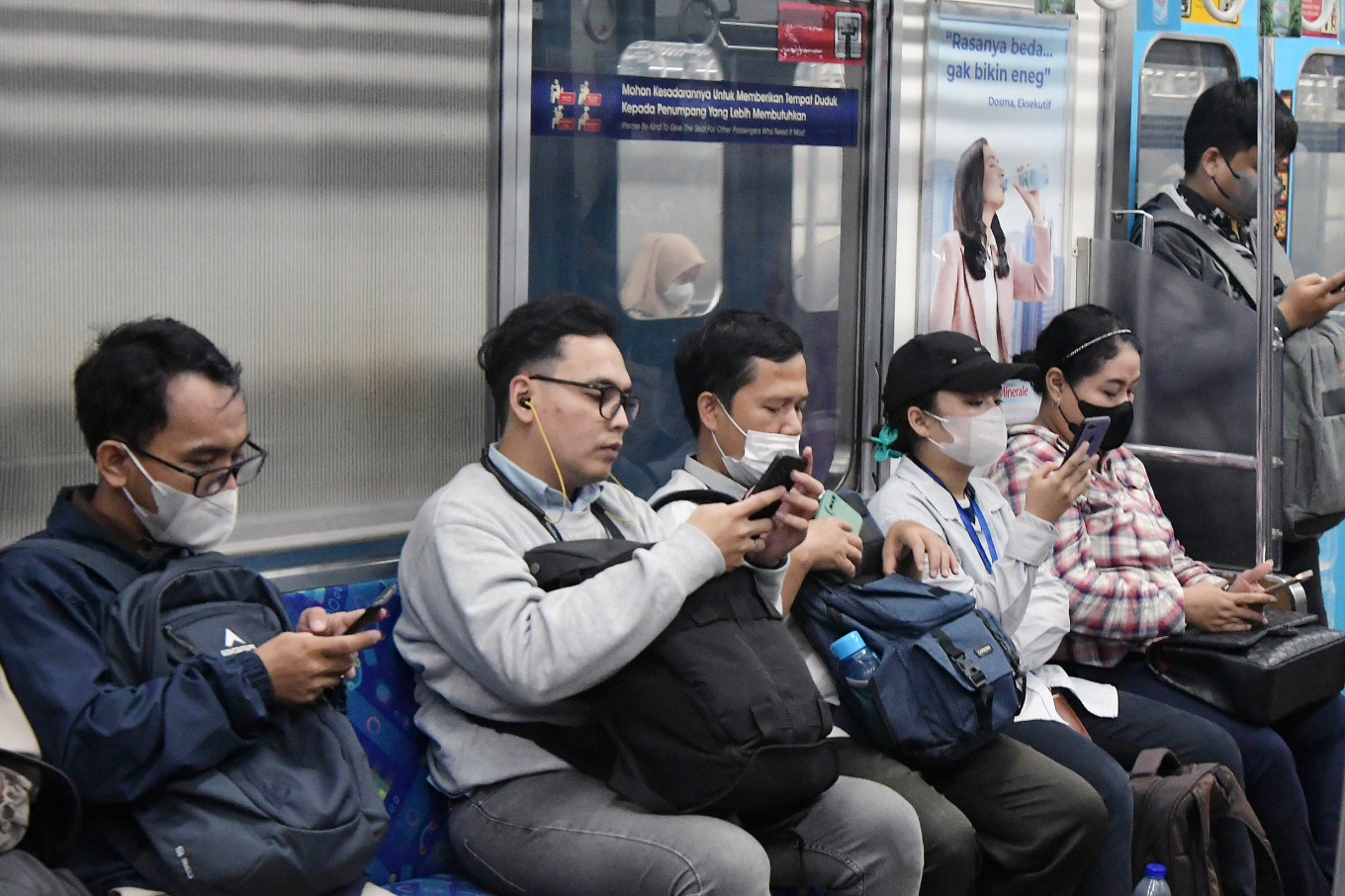
Hand hygiene is especially important during flu season and in environments where many people gather. Schools, offices, hospitals, shopping centers, airports, and public transportation systems are places where influenza viruses can spread rapidly. Individuals should wash their hands after touching shared surfaces, before eating, after coughing or sneezing, after using restrooms, and after caring for someone who is sick. Parents should also teach children proper handwashing habits from an early age because children often spread infections quickly through close contact and poor hygiene practices.
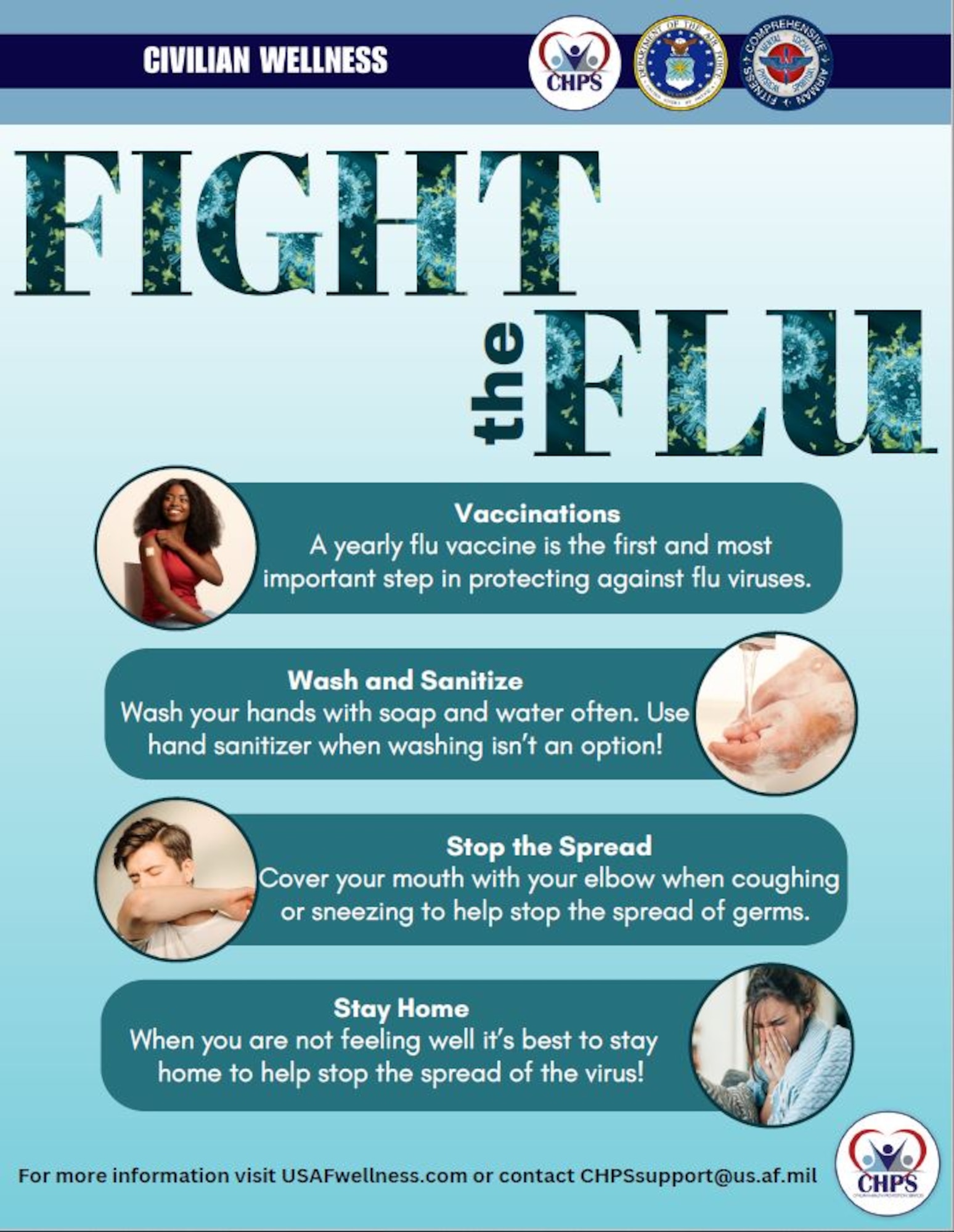
Schools play a major role in promoting hand hygiene education. Teachers and school administrators can encourage healthy habits by providing handwashing facilities, placing educational posters in classrooms, and reminding students to wash their hands regularly. Some schools organize hygiene campaigns and activities to make handwashing more engaging for children. By creating positive hygiene habits early in life, schools help students develop lifelong behaviors that support better health.
Workplaces also benefit greatly from hand hygiene programs. During influenza outbreaks, many businesses experience reduced productivity due to employee illness and absenteeism. Employers can help reduce transmission by providing hand sanitizers in common areas, ensuring restrooms remain stocked with soap and paper towels, and encouraging employees to practice good hygiene. Some companies even organize awareness programs about influenza prevention and workplace cleanliness.
Healthcare settings require especially strict hand hygiene standards because patients may have weakened immune systems and higher vulnerability to infections. Doctors, nurses, and healthcare workers are trained to clean their hands before and after every patient interaction. Hospitals and clinics often use hand hygiene monitoring systems to ensure compliance with infection-control protocols. Proper hand hygiene in healthcare facilities saves lives by preventing healthcare-associated infections.
Another important aspect of influenza prevention is avoiding unnecessary face touching. Many people unconsciously touch their eyes, nose, and mouth dozens of times each hour. Since these areas provide easy entry points for viruses, reducing face touching can lower the risk of infection. Combining hand hygiene with increased awareness of face-touching habits creates stronger protection against influenza.
Respiratory etiquette should also accompany hand hygiene practices. Individuals should cover coughs and sneezes using tissues or their elbows rather than their hands. If hands are used accidentally, immediate handwashing is necessary. Used tissues should be disposed of properly to prevent contamination of surrounding surfaces. These habits help reduce the spread of respiratory droplets carrying influenza viruses.
Public awareness campaigns around the world often focus heavily on hand hygiene because it is inexpensive, accessible, and highly effective. During influenza outbreaks and pandemics, governments and health organizations launch educational programs encouraging people to wash their hands frequently. Television advertisements, posters, online videos, and social media campaigns remind communities about the importance of hygiene in preventing illness.
Technology has also contributed to improved hand hygiene practices. Touchless faucets, automatic soap dispensers, and sensor-based hand sanitizer stations are increasingly common in public places. These technologies reduce direct contact with shared surfaces and encourage more consistent hygiene habits. Some smartphone apps and wearable devices even provide reminders for regular handwashing during disease outbreaks.
Cultural and behavioral factors can influence hand hygiene practices as well. In some communities, access to clean water and sanitation facilities may be limited, making proper hygiene more difficult. Public health organizations continue working to improve sanitation infrastructure and provide education in underserved areas. Access to clean water and hygiene supplies is considered a fundamental component of disease prevention and public health.
Hand hygiene not only prevents influenza but also reduces the spread of many other infectious diseases. Common colds, gastrointestinal infections, COVID-19, and various bacterial illnesses can all spread through contaminated hands. As a result, regular handwashing provides broad protection and contributes to healthier communities overall. People who consistently practice good hygiene often experience fewer illnesses and better general health.
Families can create healthy environments by encouraging regular handwashing at home. Parents should set positive examples for children by practicing proper hygiene themselves. Shared household surfaces such as kitchen counters, bathroom sinks, remote controls, and phones should also be cleaned regularly to reduce virus transmission. During flu season, families may choose to increase cleaning frequency and avoid sharing personal items such as towels or drinking glasses.
Travelers should pay particular attention to hand hygiene because airports, airplanes, buses, and train stations involve frequent contact with shared surfaces. Carrying portable hand sanitizer and washing hands regularly while traveling can reduce exposure to influenza viruses and other infectious agents. Travelers should also avoid touching their faces during journeys whenever possible.
Scientific research continues to support the effectiveness of hand hygiene in reducing influenza transmission. Studies have shown that communities with strong hygiene habits often experience lower infection rates during flu seasons. Handwashing campaigns in schools and workplaces have been associated with reduced absenteeism and fewer respiratory illnesses.
Despite the simplicity of hand hygiene, many people fail to wash their hands consistently or correctly. Busy schedules, forgetfulness, or lack of awareness may contribute to poor hygiene habits. Continued education and positive reinforcement are necessary to encourage long-term behavioral changes. Public health experts emphasize that even small improvements in hygiene practices can produce significant benefits for community health.
In conclusion, hand hygiene is one of the most effective and affordable strategies for preventing influenza. Regular handwashing with soap and water, proper use of hand sanitizers, avoiding face touching, and maintaining clean environments all contribute to reducing virus transmission. Hand hygiene protects not only individuals but also families, schools, workplaces, and entire communities. By developing strong hygiene habits and promoting awareness, society can significantly reduce the spread of influenza and improve overall public health.