How Vaccination Helps Prevent Influenza
Influenza vaccination is widely recognized as one of the most effective methods for preventing seasonal flu infections and reducing the severity of illness. Every year, influenza viruses infect millions of people worldwide, causing significant health problems, economic losses, and pressure on healthcare systems. While some individuals recover from influenza within a few days, others experience severe complications such as pneumonia, respiratory failure, hospitalization, or even death. Because influenza viruses spread rapidly and change frequently, annual vaccination remains an essential public health strategy for protecting both individuals and communities.
Influenza is caused by several types of influenza viruses, primarily influenza A and influenza B. These viruses continuously evolve through small genetic changes known as mutations. As a result, the strains circulating each year may differ from those in previous seasons. Scientists and global health organizations monitor influenza activity worldwide to identify the most common strains expected to spread during the upcoming flu season. Based on this research, updated vaccines are developed annually to provide the best possible protection against current virus strains.
The flu vaccine works by stimulating the immune system to recognize and fight influenza viruses. Vaccines contain inactive viruses, weakened viruses, or pieces of viral material that cannot cause influenza infection. After vaccination, the immune system produces antibodies that help identify and destroy the virus if the body is exposed later. This process strengthens the body’s defenses and reduces the likelihood of severe illness.
One of the greatest advantages of influenza vaccination is its ability to reduce serious complications. While vaccinated individuals may still contract influenza in some cases, their symptoms are often milder and recovery tends to occur more quickly. Studies have shown that flu vaccines significantly reduce hospitalizations, intensive care admissions, and deaths associated with influenza-related complications. Vaccination is especially beneficial for individuals who face higher health risks.
Older adults are among the most vulnerable populations during flu season. As people age, their immune systems naturally weaken, making it more difficult to fight infections. Influenza can lead to dangerous complications such as pneumonia, heart problems, and worsening chronic illnesses in elderly individuals. Annual vaccination helps lower these risks and improves overall protection for seniors.
Young children also benefit greatly from influenza vaccination. Children frequently interact with others in schools, playgrounds, and daycare centers, creating opportunities for viruses to spread quickly. Because children’s immune systems are still developing, they are more likely to become infected and transmit influenza to family members. Vaccination not only protects children from illness but also helps reduce outbreaks in schools and communities.
Pregnant women are another important group that should receive annual flu vaccines. During pregnancy, changes in the body’s immune, respiratory, and cardiovascular systems increase the risk of severe influenza complications. Vaccination helps protect both the mother and the baby. In addition, antibodies produced after vaccination can be passed to the newborn, providing temporary protection during the first months of life.
Individuals with chronic medical conditions such as diabetes, asthma, heart disease, obesity, or kidney disease are also at increased risk of influenza-related complications. Influenza infections can worsen underlying health problems and lead to serious medical emergencies. By getting vaccinated annually, people with chronic illnesses can reduce the likelihood of severe symptoms and hospitalization.
Healthcare workers are strongly encouraged to receive influenza vaccines because they frequently interact with patients who may have weakened immune systems. Vaccinated healthcare workers are less likely to spread influenza within hospitals and clinics, helping protect vulnerable patients and maintaining safer healthcare environments.
One important concept related to vaccination is herd immunity, also known as community immunity. Herd immunity occurs when a large portion of the population becomes vaccinated, reducing the overall spread of the virus. As fewer people become infected, individuals who cannot receive vaccines due to medical reasons gain indirect protection. This is especially important for newborns, people with severe allergies to vaccine components, and individuals with weakened immune systems.
Despite the proven benefits of flu vaccines, many misconceptions and myths continue to discourage vaccination. One common myth is that flu vaccines can cause influenza. This belief is incorrect because injectable flu vaccines contain inactive viruses that cannot cause infection. Some people may experience mild side effects such as soreness at the injection site, low fever, or fatigue, but these reactions are temporary and much less severe than actual influenza illness.
Another misconception is that healthy individuals do not need flu vaccines. While healthy people may recover more easily from influenza, they can still spread the virus to others who are more vulnerable. Vaccination protects not only the individual but also family members, coworkers, classmates, and the broader community.
Some people believe influenza is not a serious disease and therefore vaccination is unnecessary. However, seasonal influenza causes millions of severe cases and hundreds of thousands of deaths globally each year. Even healthy young adults can experience serious complications from influenza infections. Vaccination remains one of the safest and most effective ways to reduce these risks.
Timing also plays an important role in influenza vaccination. Health experts generally recommend getting vaccinated before flu season begins because the body requires approximately two weeks to develop sufficient immunity after vaccination. However, receiving the vaccine later in the season can still provide valuable protection. Since flu activity may continue for several months, vaccination remains beneficial even after outbreaks have started.
There are different types of influenza vaccines available for different age groups and medical conditions. Standard-dose vaccines are commonly used for healthy adults and children. High-dose vaccines are designed for older adults because they produce stronger immune responses. Nasal spray vaccines may be suitable for certain healthy individuals, especially children who prefer not to receive injections. Healthcare providers can help determine the most appropriate vaccine option based on a person’s age, health status, and medical history.
In addition to protecting health, influenza vaccination provides important economic benefits. Seasonal flu outbreaks often lead to missed workdays, reduced productivity, school absences, and increased healthcare expenses. Vaccination programs help reduce these economic burdens by lowering infection rates and minimizing severe illness. Employers who encourage vaccination among workers may experience fewer disruptions during flu season.
Schools and universities also benefit from influenza prevention programs. Student vaccination campaigns help reduce classroom outbreaks and absenteeism, creating healthier learning environments. Educational institutions play an important role in promoting accurate health information and encouraging responsible behaviors.
Public health organizations worldwide continue investing in vaccine research and development to improve influenza prevention. Scientists are currently working on universal flu vaccines that could provide longer-lasting protection against multiple influenza strains. If successful, these vaccines may reduce the need for annual updates and improve global flu prevention efforts.
Technology has also improved vaccine accessibility and awareness. Online appointment systems, digital vaccination records, mobile health apps, and social media campaigns help people access reliable information and schedule vaccinations more easily. Governments and healthcare providers use digital tools to monitor vaccination coverage and respond quickly to outbreaks.
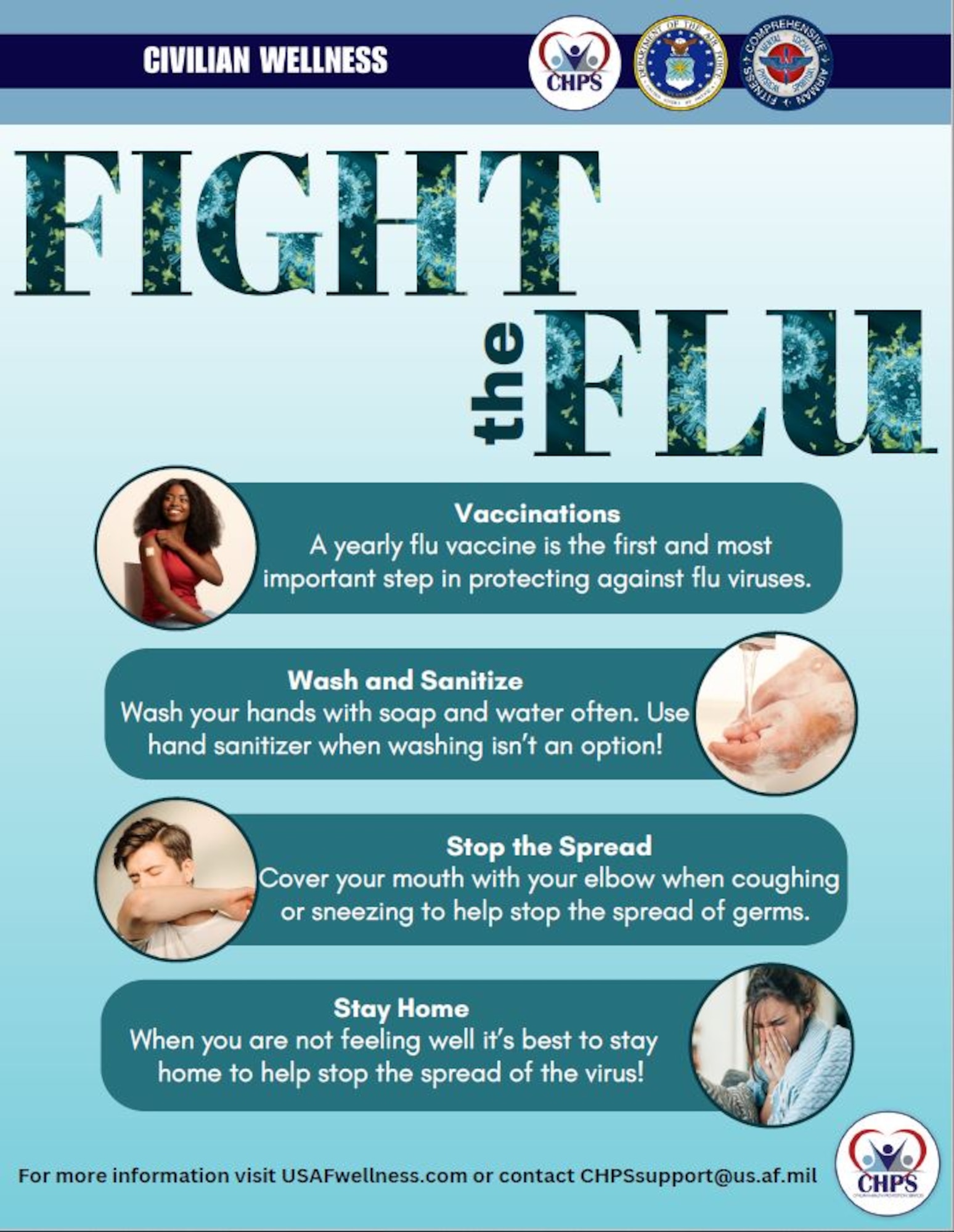
While vaccination is highly effective, it works best when combined with other preventive measures such as hand hygiene, respiratory etiquette, healthy lifestyles, and staying home while sick. Together, these strategies create stronger protection against influenza transmission.
In conclusion, influenza vaccination is a safe, effective, and essential tool for preventing seasonal flu infections and reducing serious complications. Vaccines strengthen the immune system, protect vulnerable populations, reduce healthcare burdens, and support community immunity. Despite common misconceptions, scientific evidence consistently demonstrates the benefits of annual flu vaccination. By choosing to get vaccinated each year, individuals not only protect themselves but also contribute to the health and safety of their families, workplaces, schools, and communities.