Healthy Lifestyle Habits to Prevent Influenza
Influenza, commonly known as the flu, remains one of the most widespread infectious diseases in the world. Every year, millions of people become infected, leading to missed workdays, school absences, hospitalizations, and serious health complications. While vaccination and hygiene are essential methods of prevention, maintaining a healthy lifestyle is equally important in protecting the body from influenza infections. Healthy habits strengthen the immune system, improve overall well-being, and help the body respond more effectively when exposed to viruses.
The immune system is the body’s natural defense mechanism against harmful microorganisms, including influenza viruses. When the immune system is strong, it can recognize and destroy viruses before they cause severe illness. However, unhealthy lifestyles such as poor nutrition, lack of sleep, chronic stress, and physical inactivity can weaken immune responses and increase susceptibility to infections. Therefore, adopting healthy daily habits is one of the best long-term strategies for influenza prevention.
One of the most important aspects of a healthy lifestyle is proper nutrition. The body requires essential vitamins, minerals, proteins, and healthy fats to maintain strong immune function. A balanced diet that includes fruits, vegetables, whole grains, lean proteins, and healthy fats provides nutrients necessary for the body to fight infections effectively. People who regularly consume nutritious foods often experience better overall health and lower risks of illness.
Fruits and vegetables are especially beneficial because they contain antioxidants, vitamins, and minerals that support immune health. Vitamin C, found in oranges, strawberries, lemons, kiwis, and bell peppers, helps support immune cell function and tissue repair. Vitamin A, commonly found in carrots, spinach, and sweet potatoes, helps maintain healthy skin and respiratory tissues, which serve as protective barriers against viruses. Zinc, found in nuts, seeds, beans, and meat, also plays a key role in immune system function.
Protein is another essential nutrient for maintaining health and preventing influenza. Proteins help build and repair tissues while supporting the production of antibodies that fight infections. Healthy protein sources include fish, eggs, poultry, beans, tofu, and dairy products. Omega-3 fatty acids found in fish such as salmon and tuna may also reduce inflammation and support immune health.
Hydration is equally important in maintaining a healthy body. Drinking enough water helps regulate body temperature, transport nutrients, and maintain healthy respiratory tissues. Proper hydration keeps the throat and nasal passages moist, which may improve the body’s ability to trap and remove viruses. Dehydration can weaken physical performance and negatively affect immune responses, making the body more vulnerable to illness.
Regular physical activity is another key factor in influenza prevention. Exercise improves blood circulation, allowing immune cells to move more efficiently throughout the body. Moderate physical activity also reduces inflammation, lowers stress levels, and contributes to healthier body weight. Activities such as walking, jogging, cycling, swimming, yoga, and dancing can all improve physical and mental health.
Health experts generally recommend at least 150 minutes of moderate exercise per week for adults. Even simple daily activities such as taking stairs instead of elevators or walking short distances instead of driving can contribute to better fitness. However, balance is important because excessive exercise without proper recovery may weaken the immune system temporarily. Moderate and consistent exercise provides the greatest health benefits.
Sleep is another critical component of a healthy lifestyle and plays a major role in influenza prevention. During sleep, the body repairs tissues, restores energy, and produces important proteins that support immune function. Lack of sleep can reduce the body’s ability to fight infections and increase the risk of becoming sick after exposure to viruses. Adults generally require seven to nine hours of quality sleep each night, while children and teenagers often need even more sleep to support growth and immunity.
Poor sleep habits such as staying awake late, using electronic devices before bedtime, or sleeping irregularly can negatively affect immune health. Creating healthy sleep routines can improve sleep quality. Experts recommend maintaining consistent sleep schedules, limiting caffeine intake before bedtime, reducing screen exposure at night, and creating quiet, comfortable sleeping environments.
Stress management is also extremely important in maintaining strong immunity. Chronic stress triggers the release of hormones such as cortisol, which can suppress immune system function over time. Individuals experiencing long-term stress may become more vulnerable to infections, including influenza. Modern lifestyles often involve work pressure, financial concerns, academic responsibilities, and social challenges that contribute to stress.
Fortunately, there are many effective ways to manage stress and improve emotional well-being. Relaxation techniques such as meditation, deep breathing exercises, mindfulness, yoga, and prayer may help reduce stress levels. Spending time with family and friends, enjoying hobbies, listening to music, and participating in recreational activities can also improve mental health. Maintaining positive social relationships contributes to emotional stability and overall wellness.
Avoiding harmful habits is another important aspect of influenza prevention. Smoking significantly damages the respiratory system and weakens the lungs’ natural defenses against infections. Smokers are more likely to develop severe influenza symptoms and complications such as pneumonia. Exposure to secondhand smoke can also increase health risks for children and family members.
Excessive alcohol consumption may also weaken the immune system and reduce the body’s ability to fight infections. While moderate alcohol consumption may not cause major problems for healthy adults, excessive drinking can impair immune responses and increase susceptibility to illness. Avoiding tobacco products and limiting alcohol intake support better long-term health.
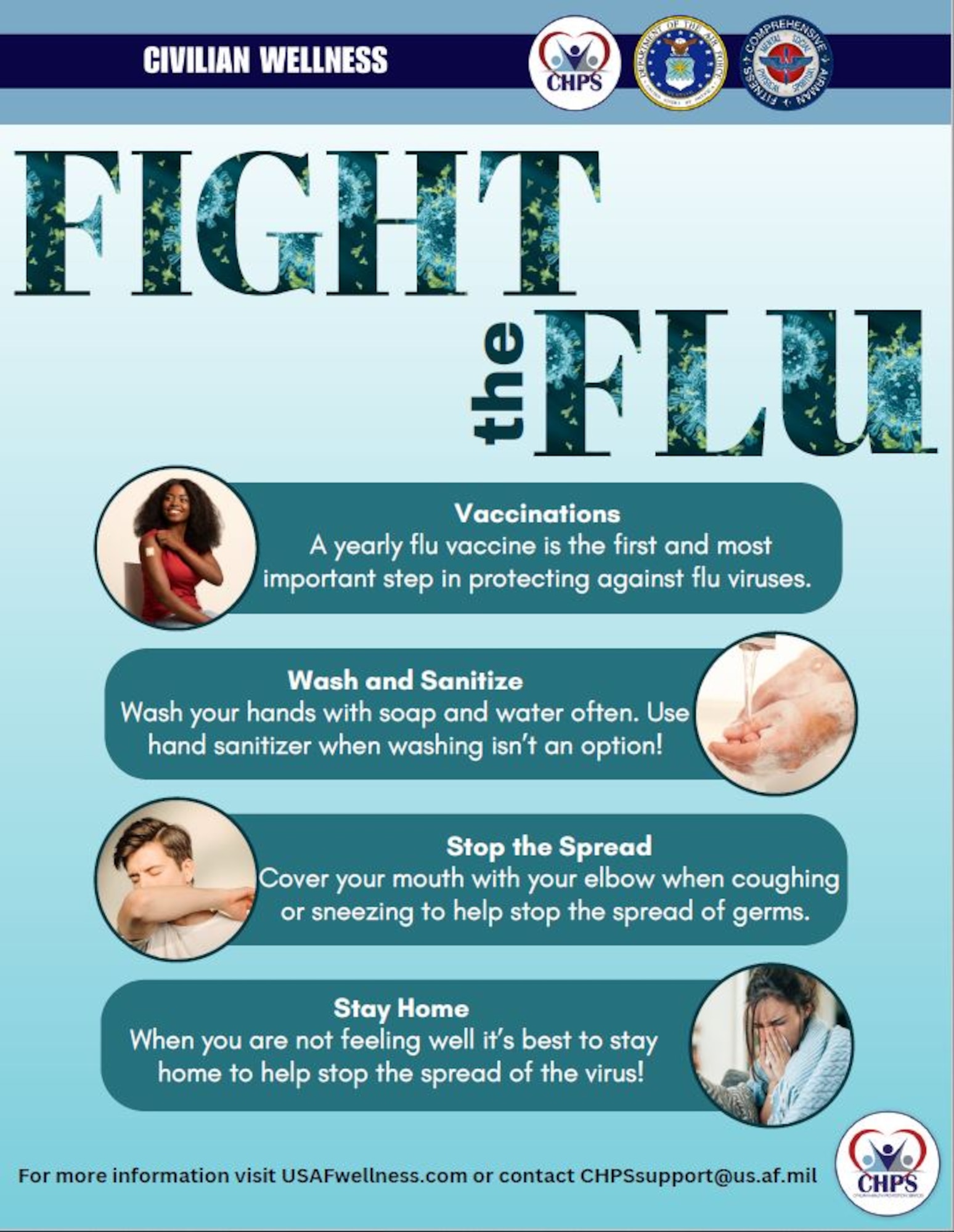
Maintaining good hygiene habits complements healthy lifestyle practices. Washing hands regularly, covering coughs and sneezes, cleaning frequently touched surfaces, and avoiding close contact with sick individuals all reduce the risk of influenza transmission. Healthy lifestyles and hygiene work together to provide stronger protection against infections.
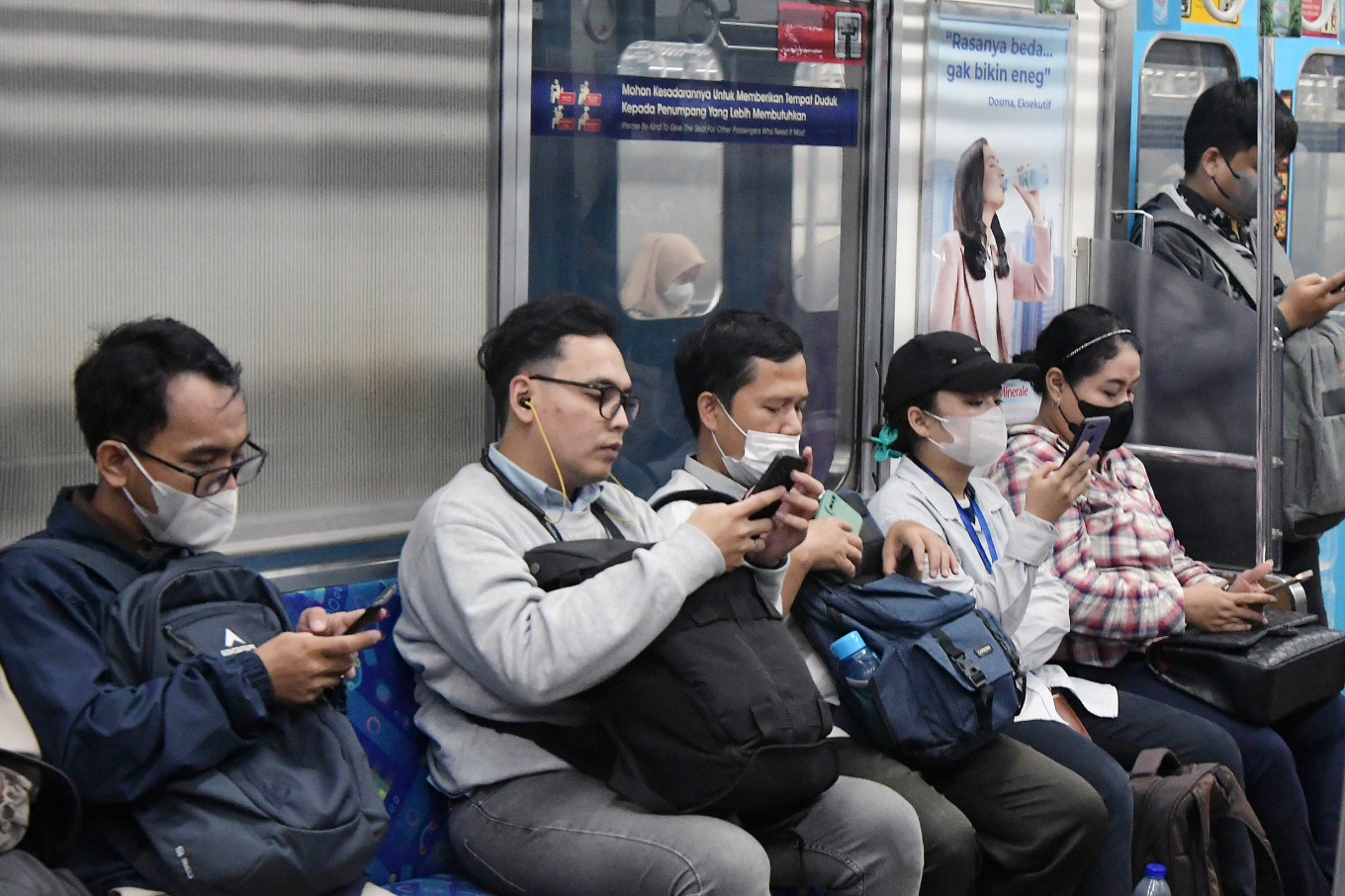
Social habits and environmental factors also influence influenza prevention. Crowded environments increase exposure to respiratory viruses, particularly during flu season. Individuals should be cautious in public spaces and avoid unnecessary close contact with sick individuals whenever possible. Improving indoor ventilation by opening windows or using air filtration systems may also help reduce virus concentrations in enclosed areas.
Workplaces and schools can encourage healthier lifestyles by supporting wellness programs and promoting influenza prevention strategies. Employers may provide fitness facilities, healthy meal options, vaccination campaigns, and mental health resources. Schools can educate students about healthy eating, exercise, sleep, and hygiene practices. Community support plays an important role in encouraging positive behaviors.
Technology has made healthy living more accessible in many ways. Fitness apps, online workout programs, digital health trackers, and nutrition platforms help people monitor their physical activity, sleep, hydration, and diet. Telemedicine services also allow individuals to consult healthcare providers without unnecessary exposure to crowded clinics during flu season.
Seasonal changes can affect both physical health and influenza transmission. During colder months, people tend to spend more time indoors, increasing opportunities for viruses to spread. Reduced sunlight exposure may also lower vitamin D levels, which are important for immune health. Maintaining healthy habits consistently throughout the year helps prepare the body for flu season and supports long-term wellness.
Families play an essential role in promoting healthy lifestyles. Parents who encourage nutritious eating, regular exercise, proper sleep, and hygiene help children develop lifelong healthy habits. Family activities such as outdoor exercise, cooking healthy meals together, and limiting screen time can strengthen both physical health and relationships.
Public health organizations worldwide emphasize the importance of lifestyle factors in disease prevention. Although vaccines remain one of the most effective tools against influenza, healthy living provides additional protection by strengthening the body’s natural defenses. Communities that prioritize wellness often experience lower illness rates and improved quality of life.
Research continues to show strong connections between lifestyle habits and immune function. Studies suggest that individuals who maintain balanced diets, regular exercise routines, healthy sleep patterns, and lower stress levels may experience fewer respiratory infections and recover more quickly when illnesses occur. While no lifestyle can guarantee complete protection against influenza, healthy habits significantly improve resilience and overall health outcomes.
In conclusion, healthy lifestyle habits play a major role in preventing influenza and supporting immune health. Proper nutrition, regular exercise, adequate sleep, stress management, hydration, and avoidance of harmful behaviors all contribute to stronger resistance against infections. Combined with vaccination and good hygiene practices, healthy living creates a comprehensive approach to influenza prevention. By adopting positive daily habits and encouraging wellness within families and communities, individuals can reduce the risk of influenza while improving overall physical and mental well-being.