Preventing Influenza Among Older Adults
Older adults are among the most vulnerable groups when it comes to influenza infection and its complications. As people age, the immune system naturally becomes weaker, a process known as immunosenescence. This means the body’s ability to fight infections decreases over time, making older individuals more likely to develop severe symptoms, require hospitalization, or experience life-threatening complications such as pneumonia. Because of this increased risk, influenza prevention in older adults is a critical public health priority.
Influenza is caused by viruses that spread through respiratory droplets when an infected person coughs, sneezes, talks, or breathes. It can also spread indirectly through contaminated surfaces such as handrails, phones, and door handles. In environments where older adults live in close proximity, such as nursing homes, assisted living facilities, or family households, the virus can spread quickly if proper precautions are not taken.
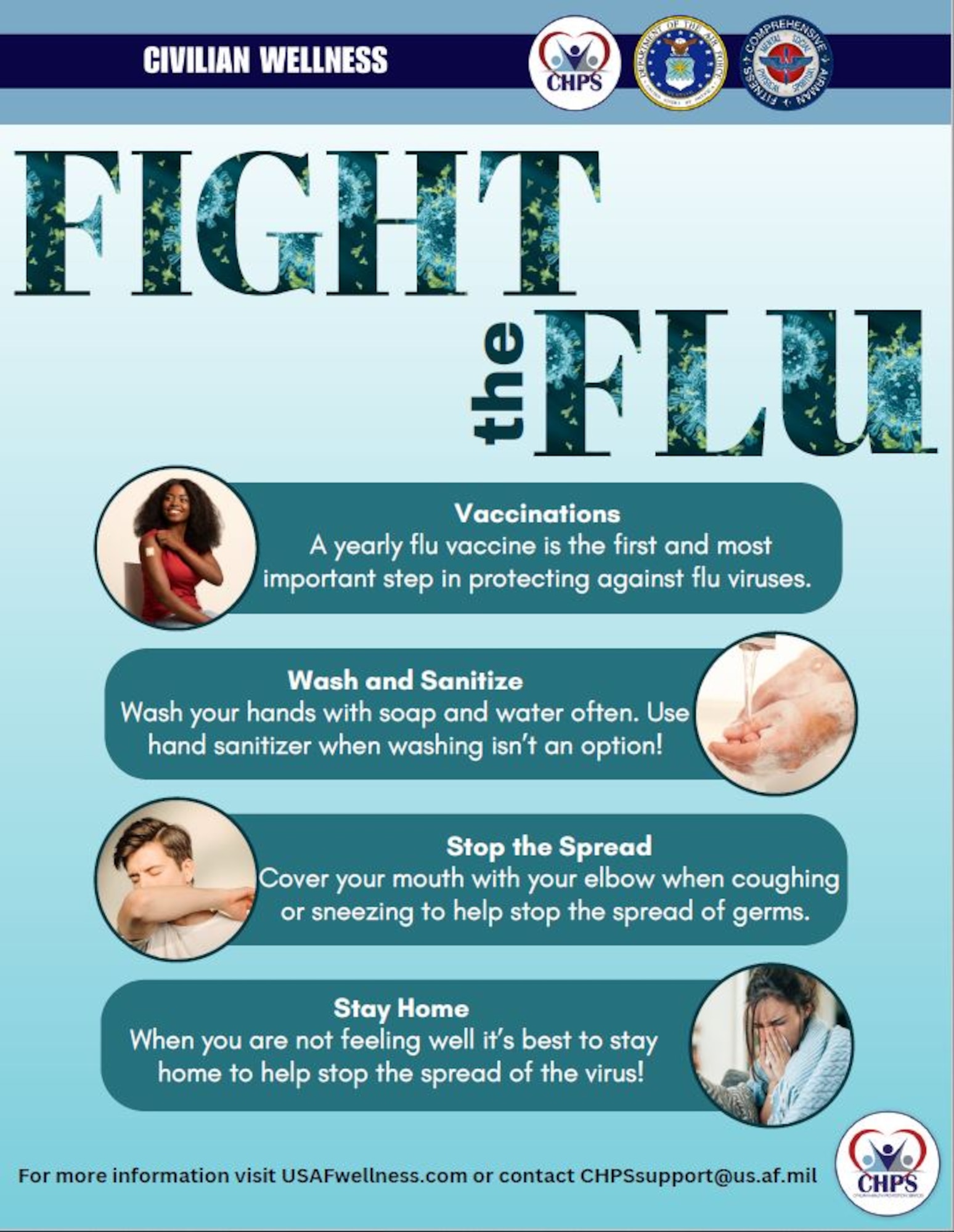
One of the most important preventive measures for older adults is annual influenza vaccination. Health organizations worldwide strongly recommend flu vaccines for seniors because they significantly reduce the risk of severe illness and complications. Although the immune response in older adults may not be as strong as in younger individuals, vaccination still provides meaningful protection. In many cases, vaccinated seniors who contract influenza experience milder symptoms and shorter recovery times.
There are also special high-dose influenza vaccines designed specifically for older adults. These vaccines contain a higher concentration of antigen to stimulate a stronger immune response. Some versions also include adjuvants, substances that help enhance the effectiveness of the vaccine. Healthcare providers can recommend the most appropriate vaccine based on an individual’s health condition and medical history.
In addition to vaccination, maintaining a strong immune system through a healthy lifestyle is essential. Proper nutrition plays a key role in supporting immune function. Older adults should consume a balanced diet rich in fruits, vegetables, lean proteins, whole grains, and healthy fats. Nutrients such as vitamin C, vitamin D, zinc, and antioxidants help support immune defenses and reduce inflammation.
Hydration is also important because older adults are more prone to dehydration, which can weaken bodily functions and worsen illness outcomes. Drinking sufficient water, herbal teas, and nutrient-rich soups helps maintain overall health and supports respiratory function during flu season.
Regular physical activity is another important factor in influenza prevention. Even moderate exercises such as walking, stretching, light aerobics, or yoga can help improve circulation, strengthen the immune system, and maintain mobility. Physical activity also contributes to better mental health and reduces the risk of chronic diseases that may worsen influenza outcomes.
Sleep quality plays a crucial role in immune health. Older adults should aim for consistent and restful sleep patterns. Poor sleep can weaken immune responses and increase susceptibility to infections. Creating a comfortable sleep environment, maintaining regular sleep schedules, and avoiding stimulants before bedtime can improve sleep quality.
Chronic health conditions such as diabetes, heart disease, asthma, chronic obstructive pulmonary disease (COPD), and kidney disease increase the risk of severe influenza complications in older adults. Proper management of these conditions is essential during flu season. Regular medical checkups, medication adherence, and monitoring of symptoms help reduce risks and ensure early intervention if illness occurs.
Hand hygiene remains one of the simplest and most effective preventive measures. Older adults should wash their hands regularly with soap and water for at least twenty seconds, especially before eating, after using the restroom, and after touching shared surfaces. When handwashing is not possible, alcohol-based hand sanitizers can be used as an alternative.
Respiratory hygiene is equally important. Covering coughs and sneezes with tissues or elbows helps prevent the spread of respiratory droplets. Used tissues should be disposed of immediately, and hands should be cleaned afterward. These small actions can significantly reduce transmission within households and care facilities.
Avoiding close contact with sick individuals is another key strategy. Family members and caregivers who are ill should avoid visiting older adults until they have fully recovered. In nursing homes and assisted living facilities, strict infection control policies should be enforced to prevent outbreaks among residents.
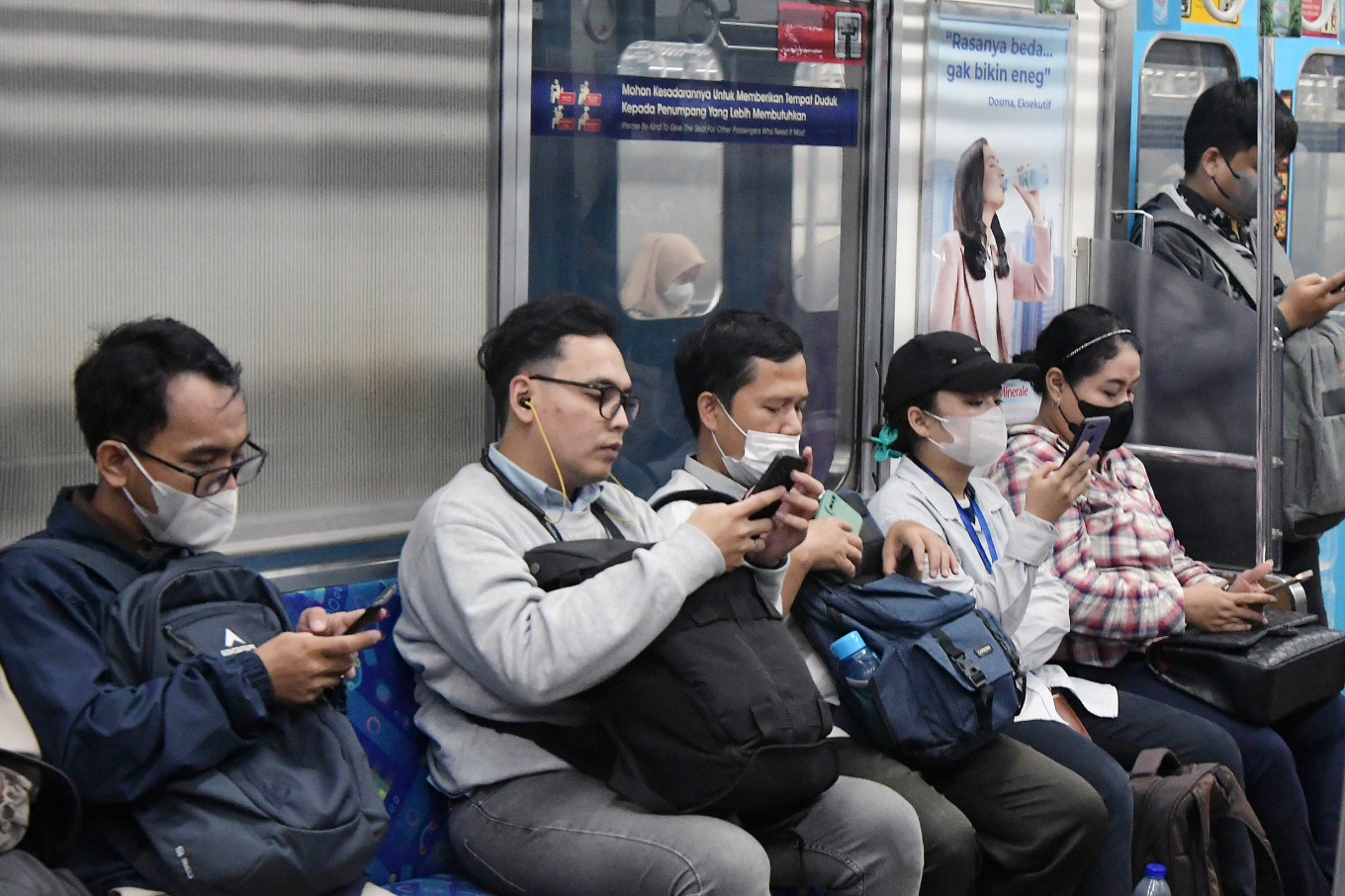
Wearing masks during periods of high influenza activity can also provide additional protection for older adults, especially in crowded or indoor environments. Masks help reduce exposure to respiratory droplets and provide a barrier against airborne transmission. While masks are not a replacement for vaccination, they are a useful supplementary measure.
Environmental cleanliness plays an important role in protecting older adults from influenza. Frequently touched surfaces such as doorknobs, handrails, remote controls, and mobile devices should be cleaned and disinfected regularly. Proper ventilation in living spaces also helps reduce the concentration of airborne viruses.
Caregivers and family members play a vital role in influenza prevention for older adults. They should ensure that seniors receive vaccinations, maintain good hygiene, eat nutritious meals, and attend medical appointments regularly. Caregivers should also practice good hygiene themselves to avoid transmitting infections to vulnerable individuals.
Social interaction is important for mental health in older adults, but precautions should be taken during flu season. Large gatherings or crowded events may increase exposure risk. Safer alternatives include outdoor visits, virtual communication, or small-group interactions in well-ventilated spaces.
Public health programs often focus on protecting older adults during influenza season. Vaccination campaigns, community outreach programs, and healthcare support services help ensure seniors receive necessary protection. In many countries, flu vaccines are provided free or at reduced cost for older populations to encourage widespread vaccination.
Technology has also improved influenza prevention for older adults. Telemedicine allows seniors to consult healthcare providers without visiting clinics, reducing exposure risk. Mobile health reminders help ensure vaccination schedules are followed, while wearable health devices can assist in monitoring vital signs and overall well-being.
Early detection of influenza symptoms is especially important in older adults because complications can develop quickly. Symptoms such as fever, cough, fatigue, shortness of breath, confusion, or sudden weakness should be taken seriously. Caregivers should seek medical attention promptly if these symptoms appear.
In some cases, antiviral medications may be prescribed to older adults who contract influenza. These medications are most effective when taken early and can reduce the severity and duration of illness. They are particularly important for high-risk individuals who are more likely to experience complications.
Mental health also plays a role in overall immune health. Loneliness, depression, and stress can weaken the immune system and negatively affect physical well-being. Encouraging social engagement, emotional support, and recreational activities helps improve quality of life and overall health in older adults.
Influenza prevention in older adults requires a comprehensive and coordinated approach involving individuals, families, caregivers, healthcare providers, and communities. No single method is sufficient on its own. Instead, a combination of vaccination, hygiene, healthy lifestyle habits, environmental safety, and early medical care provides the strongest protection.
In conclusion, protecting older adults from influenza is essential due to their increased vulnerability to severe illness and complications. Annual vaccination, proper nutrition, regular exercise, good hygiene practices, adequate sleep, and supportive care all play important roles in prevention. With careful attention and community support, older adults can significantly reduce their risk of influenza and maintain better health and quality of life during flu season.